Romania 2024
Supported by the Association of Corporate Counsel















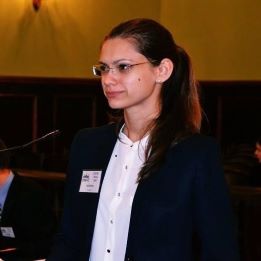





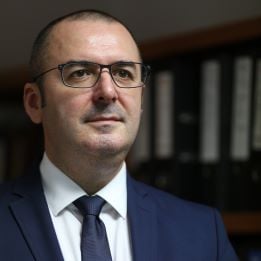

Legal manager, Romania, Moldova, Bulgaria, Serbia, Croatia and Slovenia | STRABAG










Legal director, directorate member | RetuRO Sistem Garantie Returnare
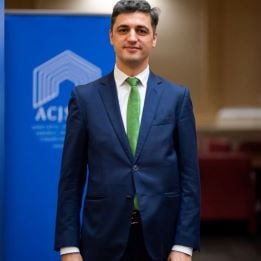


Head of legal, regulatory and public affairs | MOL Romania








Head of legal, pole agricole, Romania, Turkey, Croatia and Hungary | IPSO Agricultură


Legal counsel, Romania and Central and Southern Europe | Michelin Romania












Manager legal department, litigation and general corporate affairs | ING Bank Romania



















Legal and compliance lead, CEE | Haleon




General counsel, compliance officer and board secretary | Holcim Romania




Assistant general counsel, legal compliance, EMEA | Genpact






Director of legal and public affairs department and member of the executive committee | Up Romania





Head of legal and secretariat general department | Bucharest Stock Exchange


Corporate, external and legal affairs lead, Central Europe | Microsoft






Head of legal and general partner | Roca X Management
Following the tremendous success of last year’s inaugural edition, the Legal 500 is delighted to present the GC Powerlist: Romania 2024. This publication is dedicated to honouring and celebrating the outstanding achievements of the nation’s leading corporate counsel.
The GC Powerlist highlights the pivotal role that in-house legal professionals play in driving business success across Romania. It underscores their expertise, leadership, and unwavering commitment to excellence. This year’s edition places a spotlight on their remarkable accomplishments and innovative strategies as they navigate the country’s dynamic legal landscape. From addressing regional conflicts and embracing technological advancements to fostering diversity and inclusion and strengthening partnerships with business stakeholders, the honorees demonstrate exceptional adaptability and vision.
Inside this edition, readers will discover in-depth profiles and exclusive interviews with some of the most influential and respected general counsel in Romania, spanning diverse industries. These professionals consistently exemplify their ability to craft legal strategies, mitigate risks, and offer strategic guidance that propels their organisations forward. Their success stories are a source of inspiration for the broader legal community, illustrating the transformative impact in-house lawyers can have on business strategy and organisational growth.
Beyond individual achievements, this publication delves into critical themes and challenges shaping the corporate legal sector. It provides valuable insights and thought-provoking discussions, offering a comprehensive overview of Romania’s legal landscape. Through these narratives, readers will gain a deeper understanding of the extraordinary contributions of the in-house legal community.
We extend our sincere congratulations and gratitude to everyone featured in this year’s GC Powerlist: Romania. Their dedication and success exemplify the very best of the country’s legal talent. It is with great pride that we present this distinguished list of the country’s most exceptional and diligent in-house lawyers.
Francisco Faria e Castro | Research Editor | GC Powerlist Series

We are delighted to present the most influential in-house lawyers and legal teams in Romania!
The second edition of the GC Powerlist Romania highlights some of Romania’s most experienced GCs who excel at what they do, lead groundbreaking legal work and generally make a significant contribution to the success of their companies. They are not only great leaders, strategists and visionaries, but also valuable legal experts. They are mentors who build a positive culture, empower people to grow and develop, and guide their organisations in an ever-changing business environment. Through their dedication and hard work, they transform law and business every day.
We congratulate all the honourees on the GC Powerlist Romania and we are confident that more and more successful General Counsels and Chief Legal Officers will be recognised in future editions to give an even more complete picture of today’s legal talent.
Țuca Zbârcea & Asociații is proud to be the exclusive partner of The Legal 500 for its GC Powerlist Romania 2024!
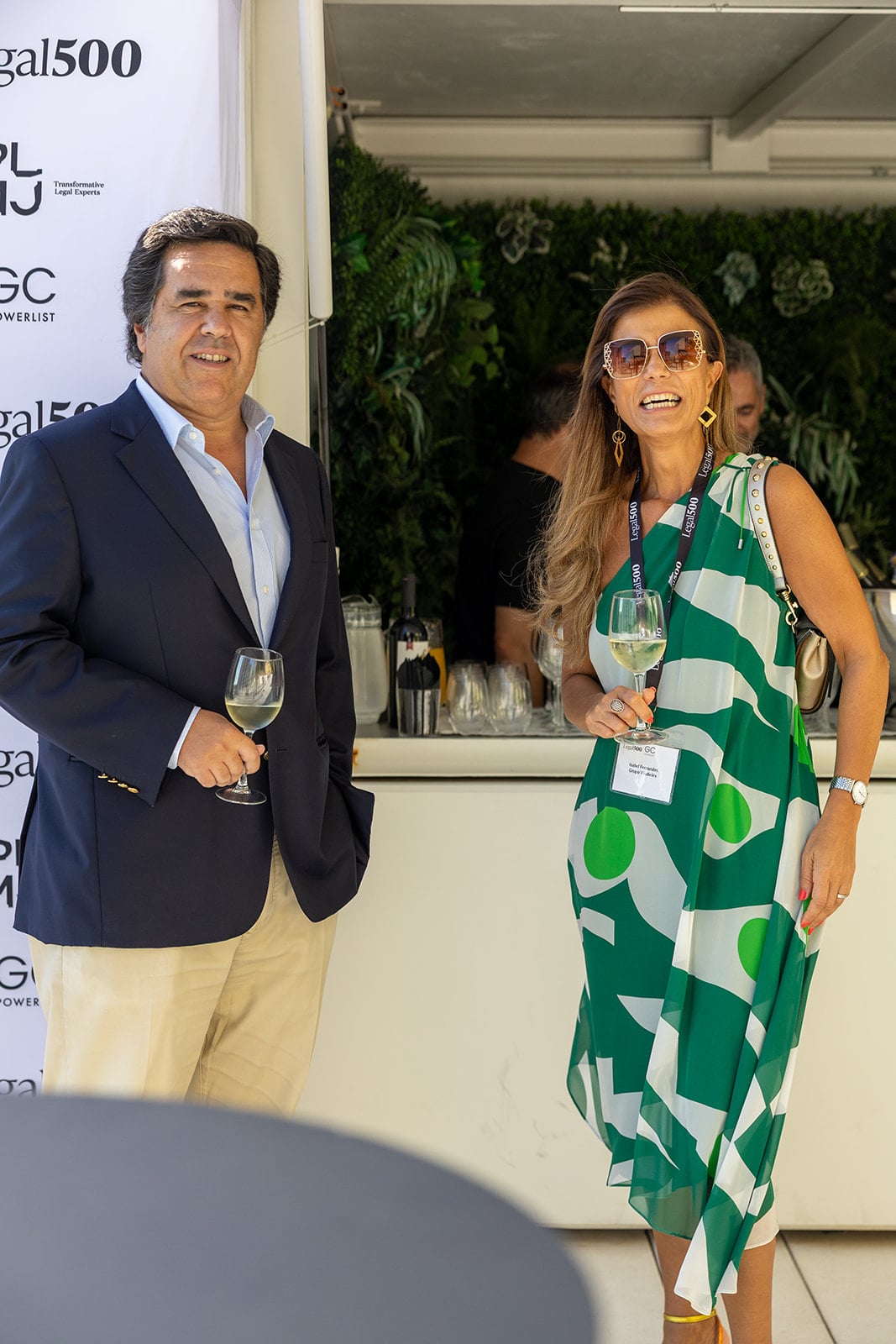
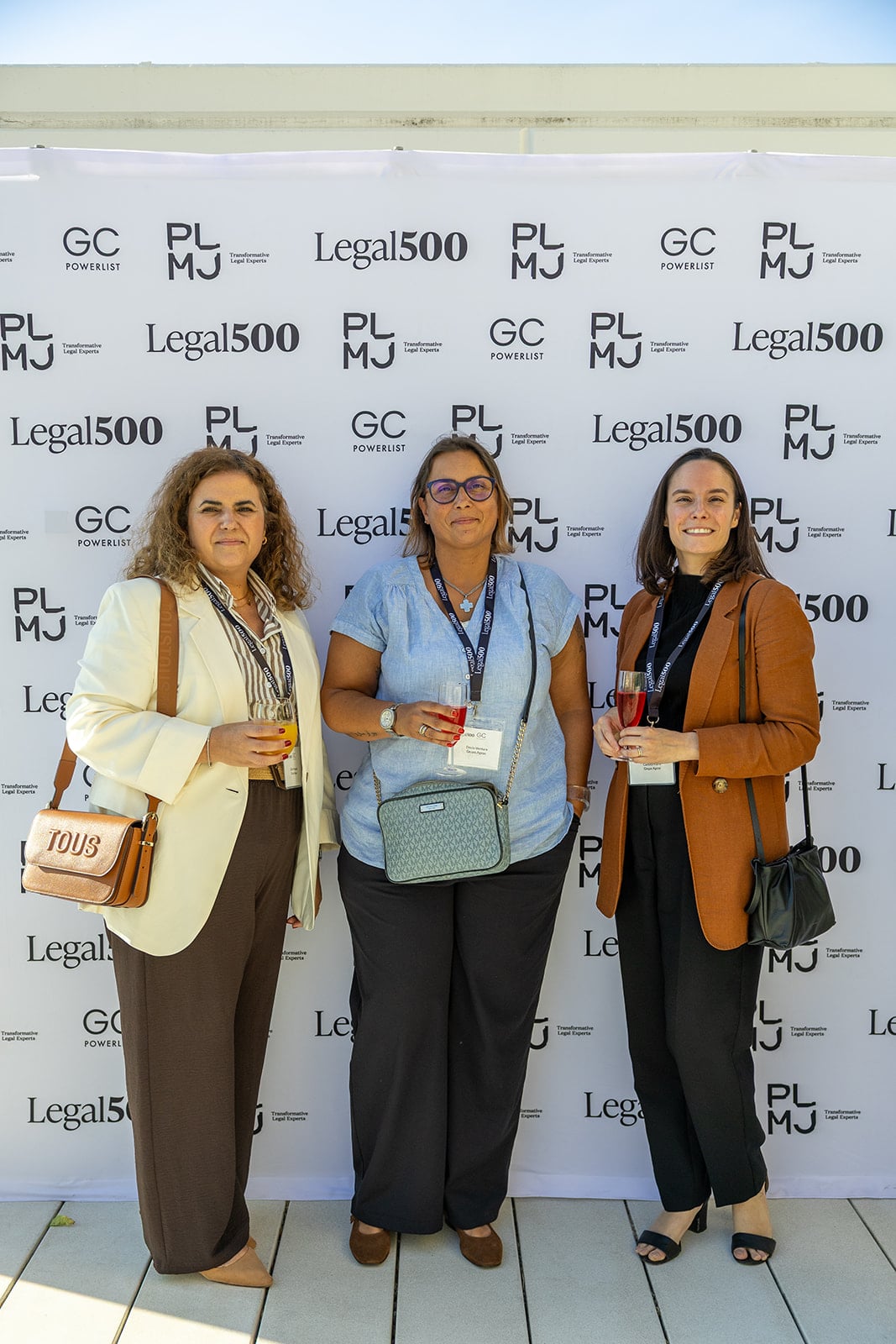
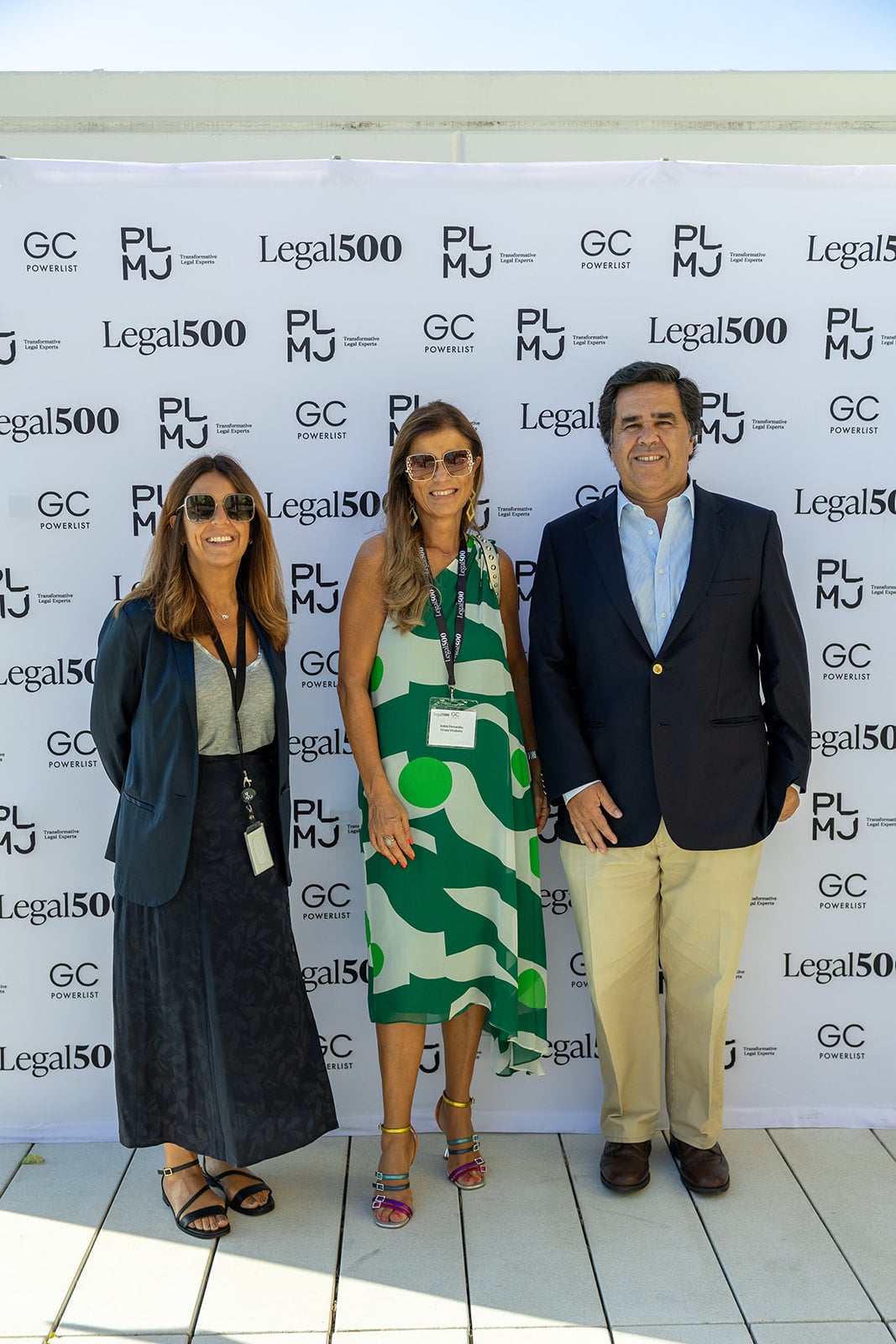
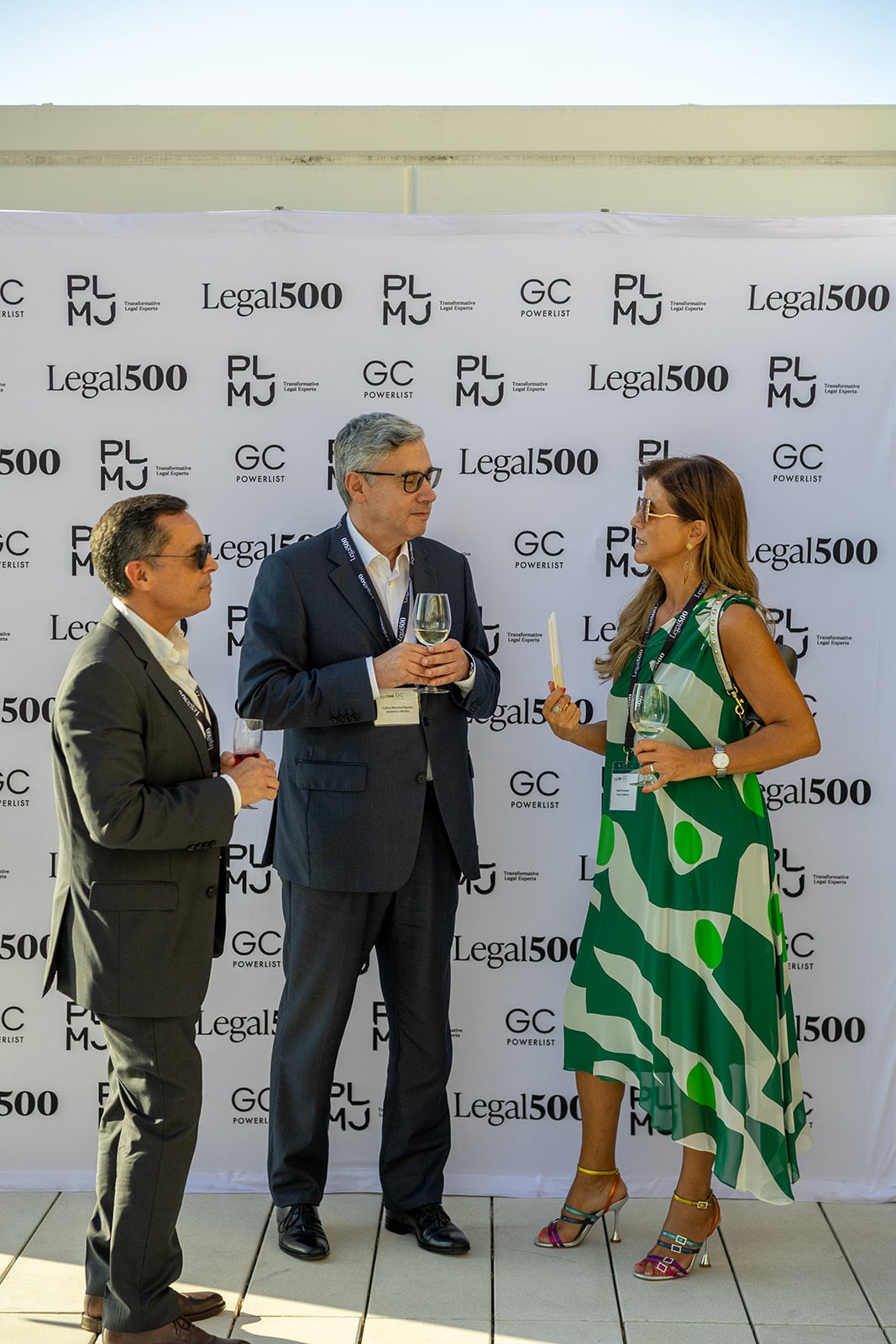
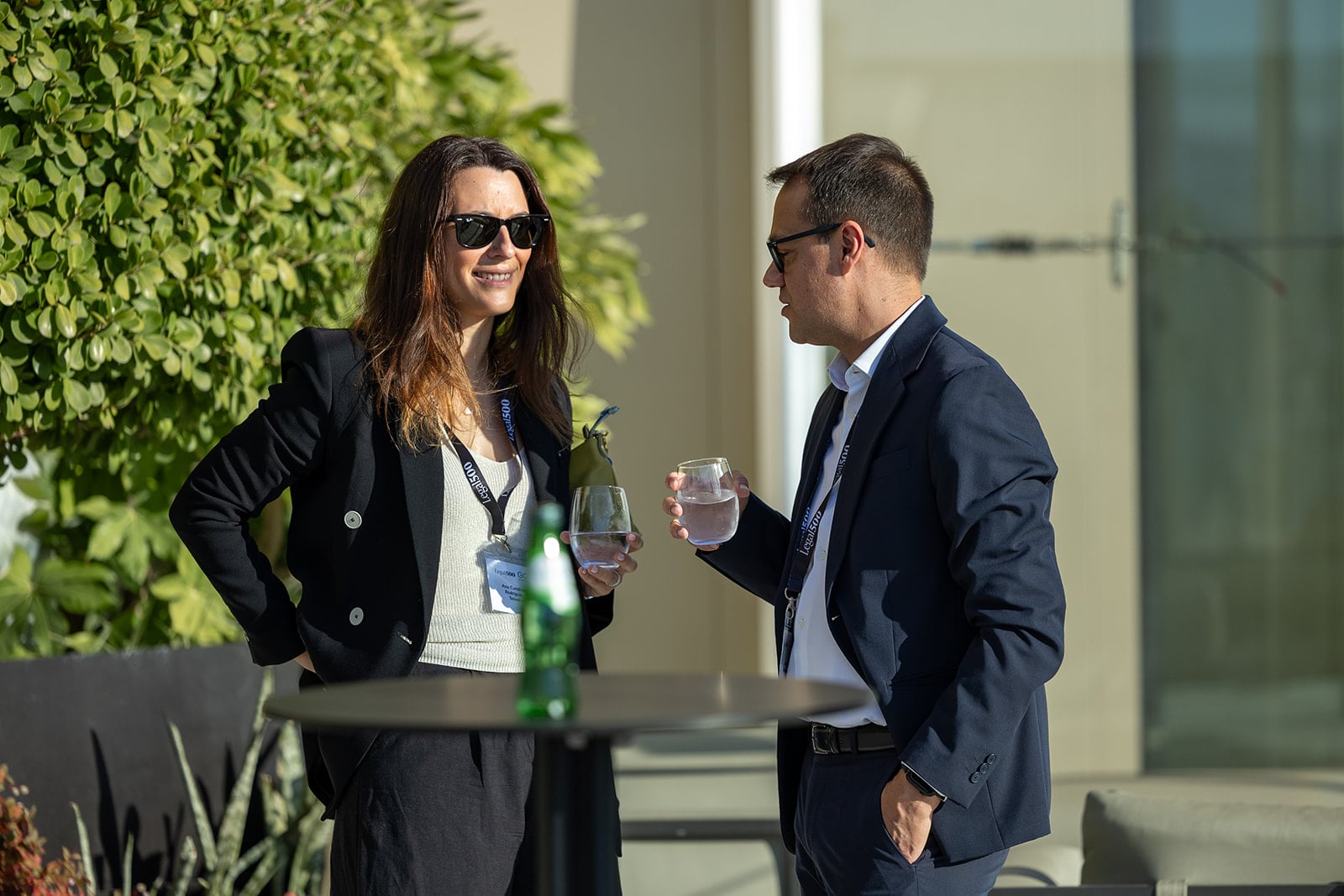
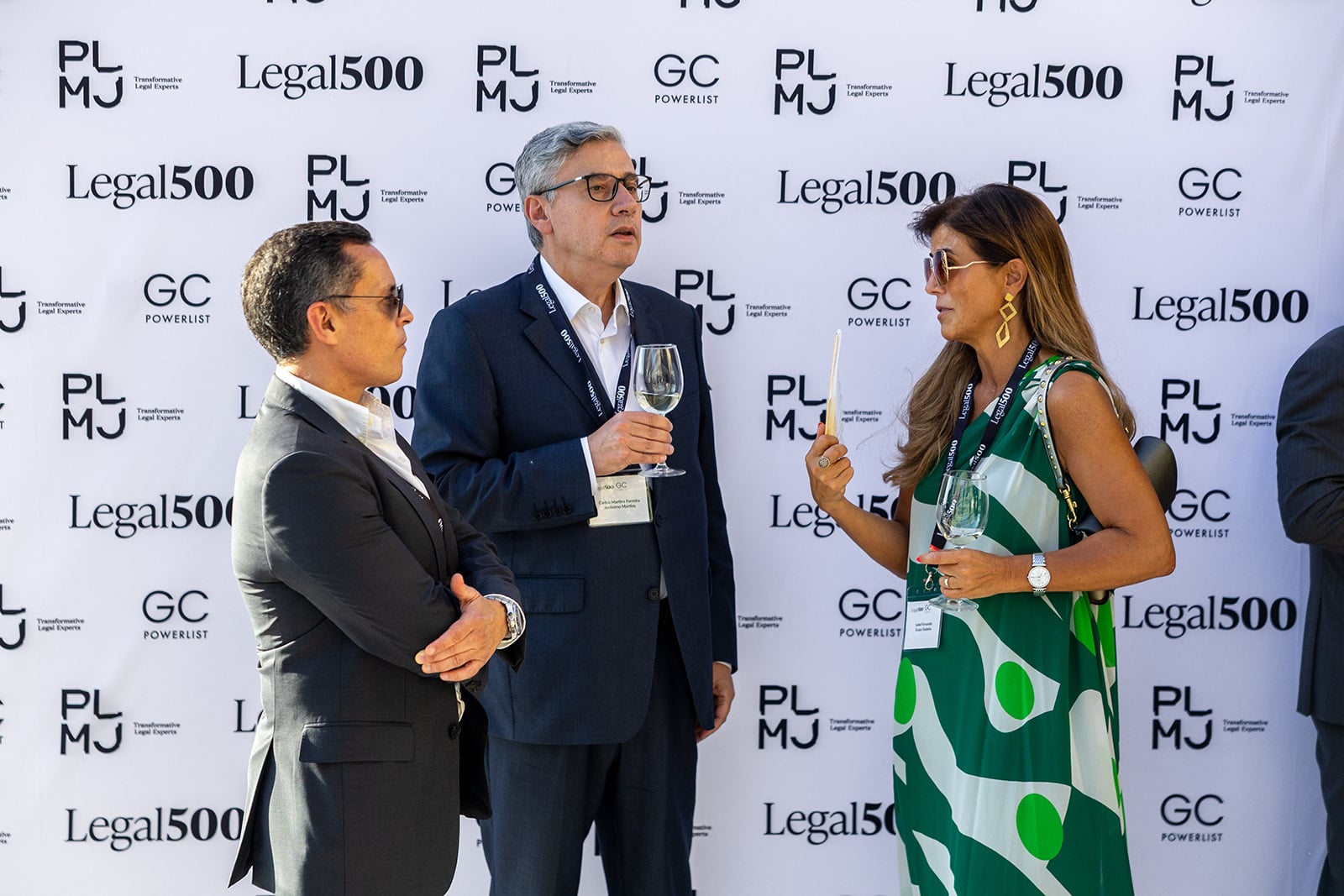
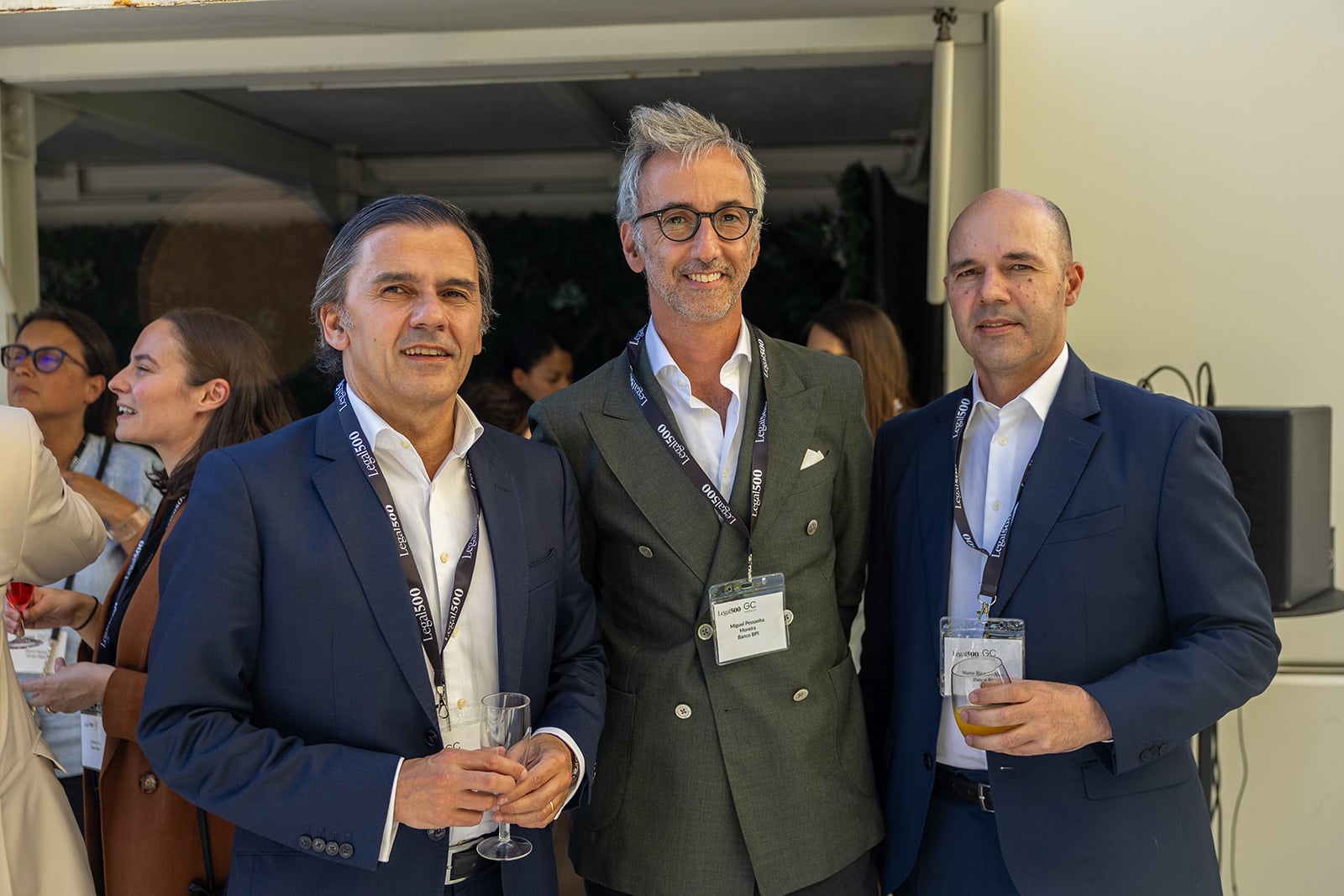
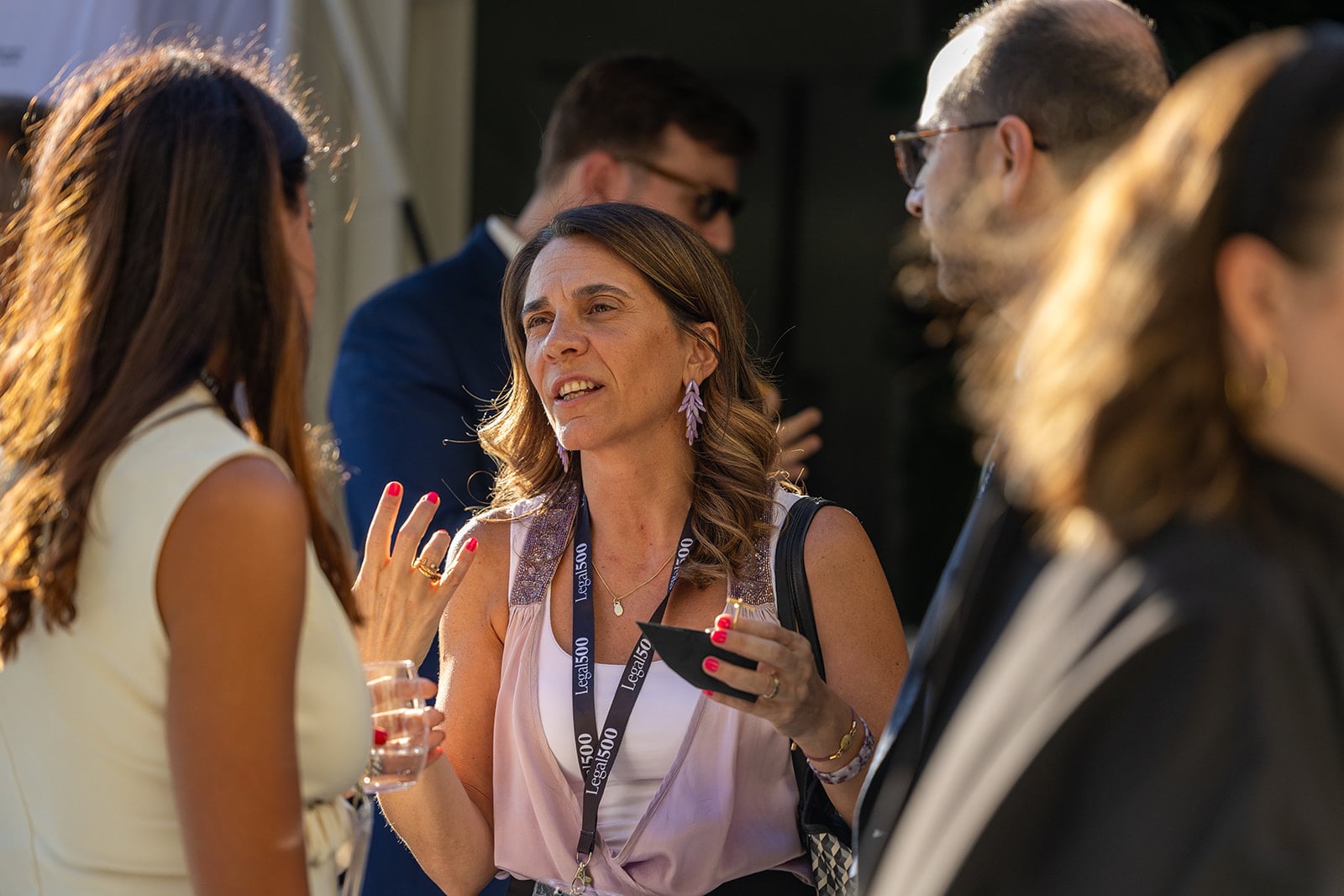
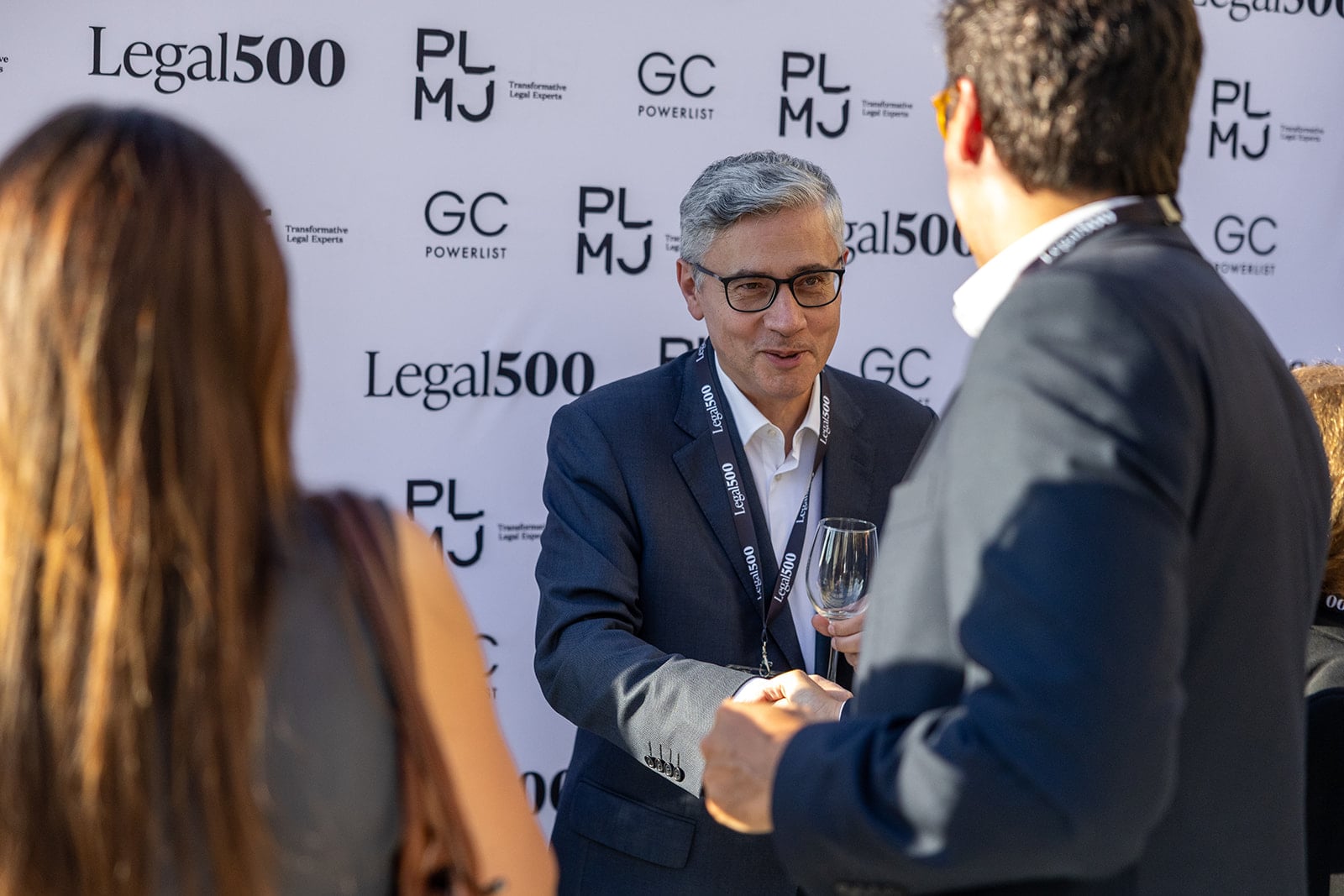
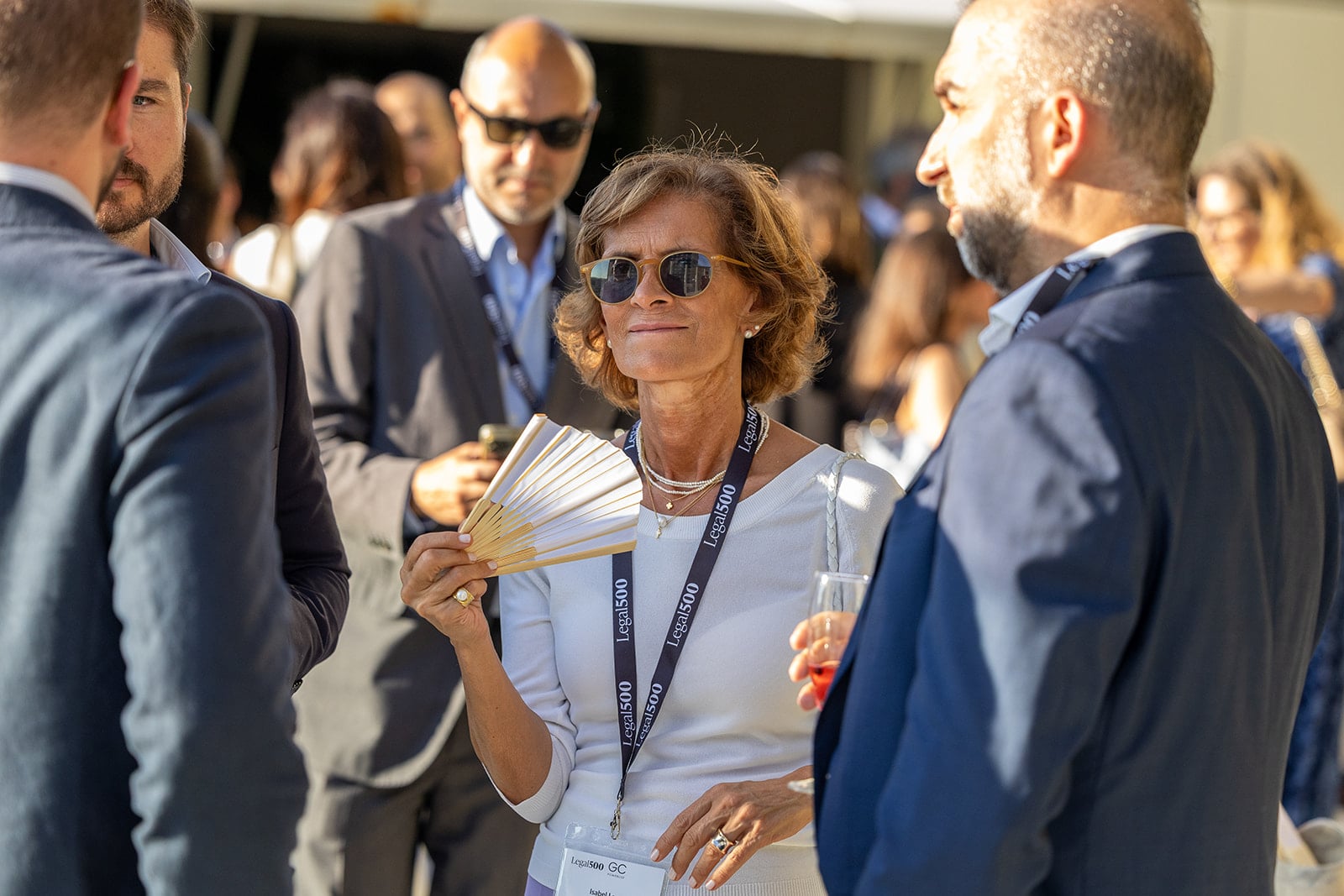
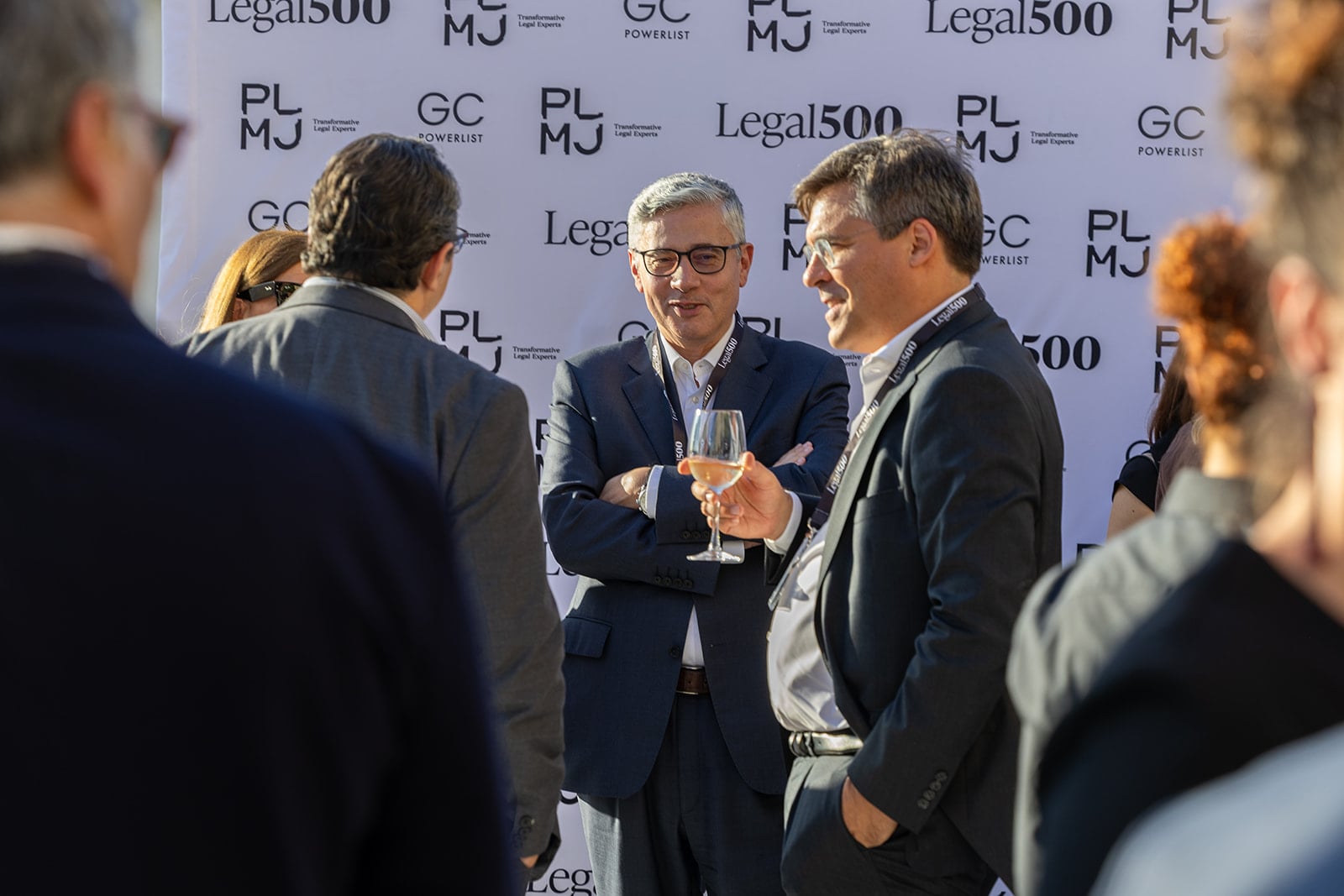
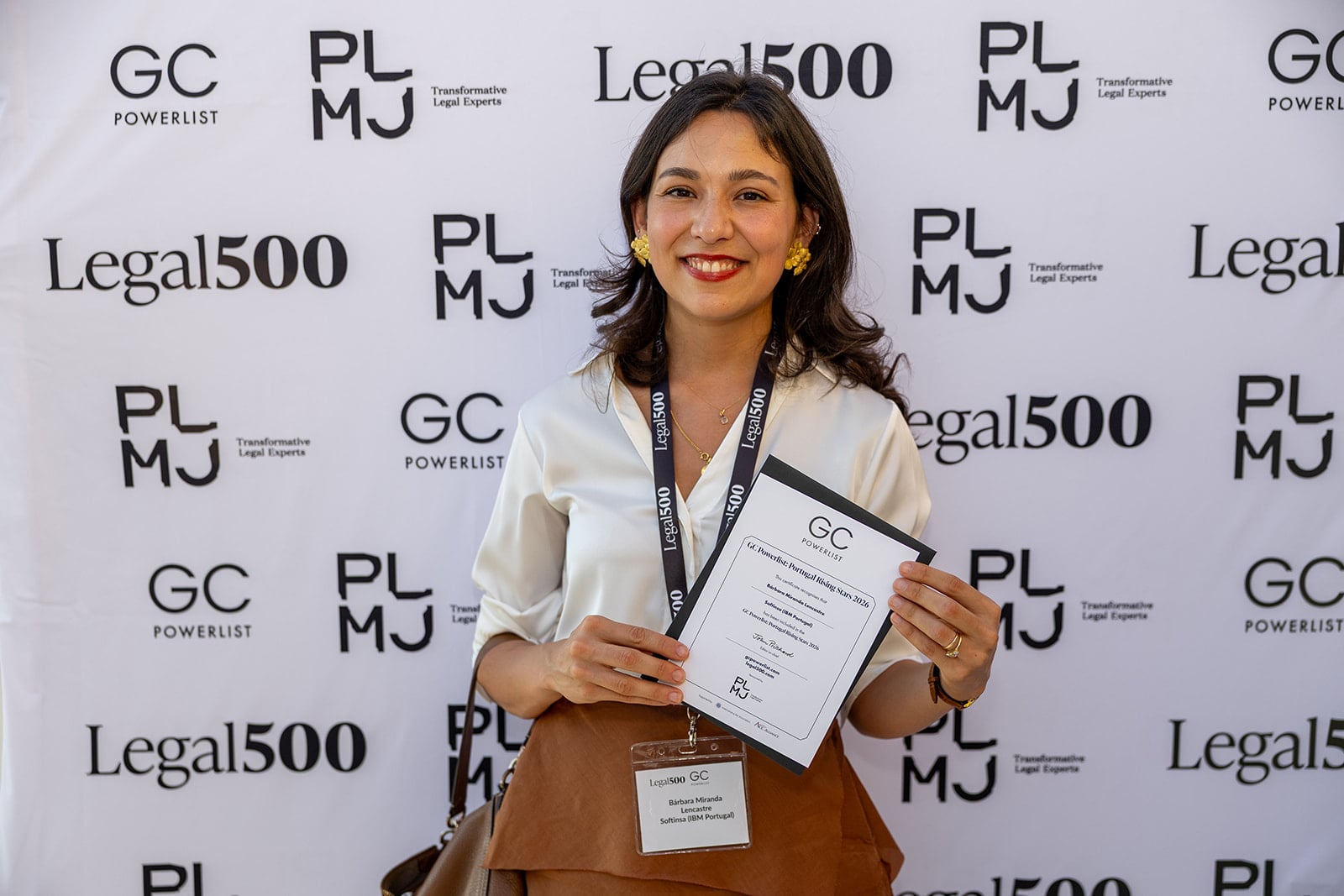
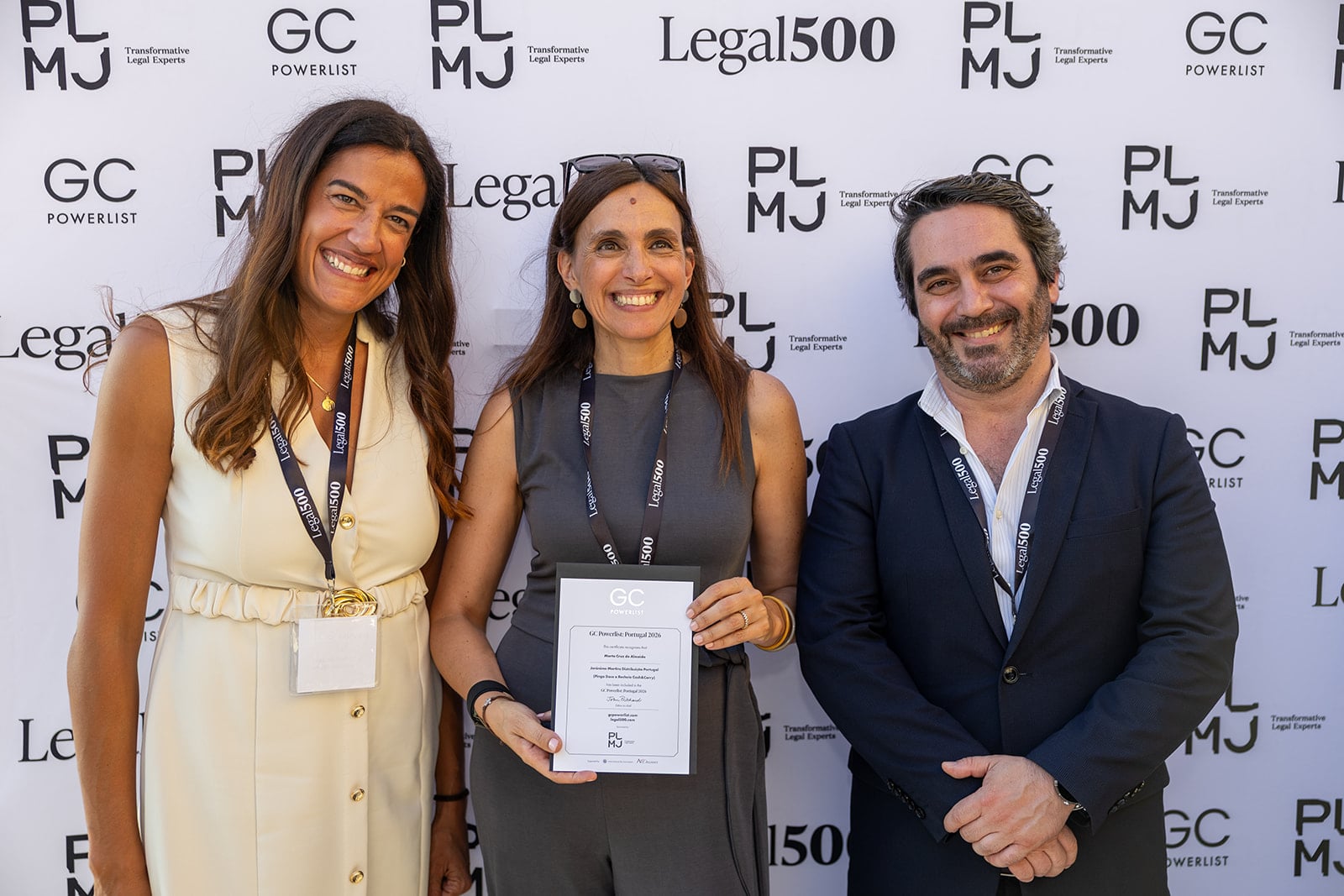
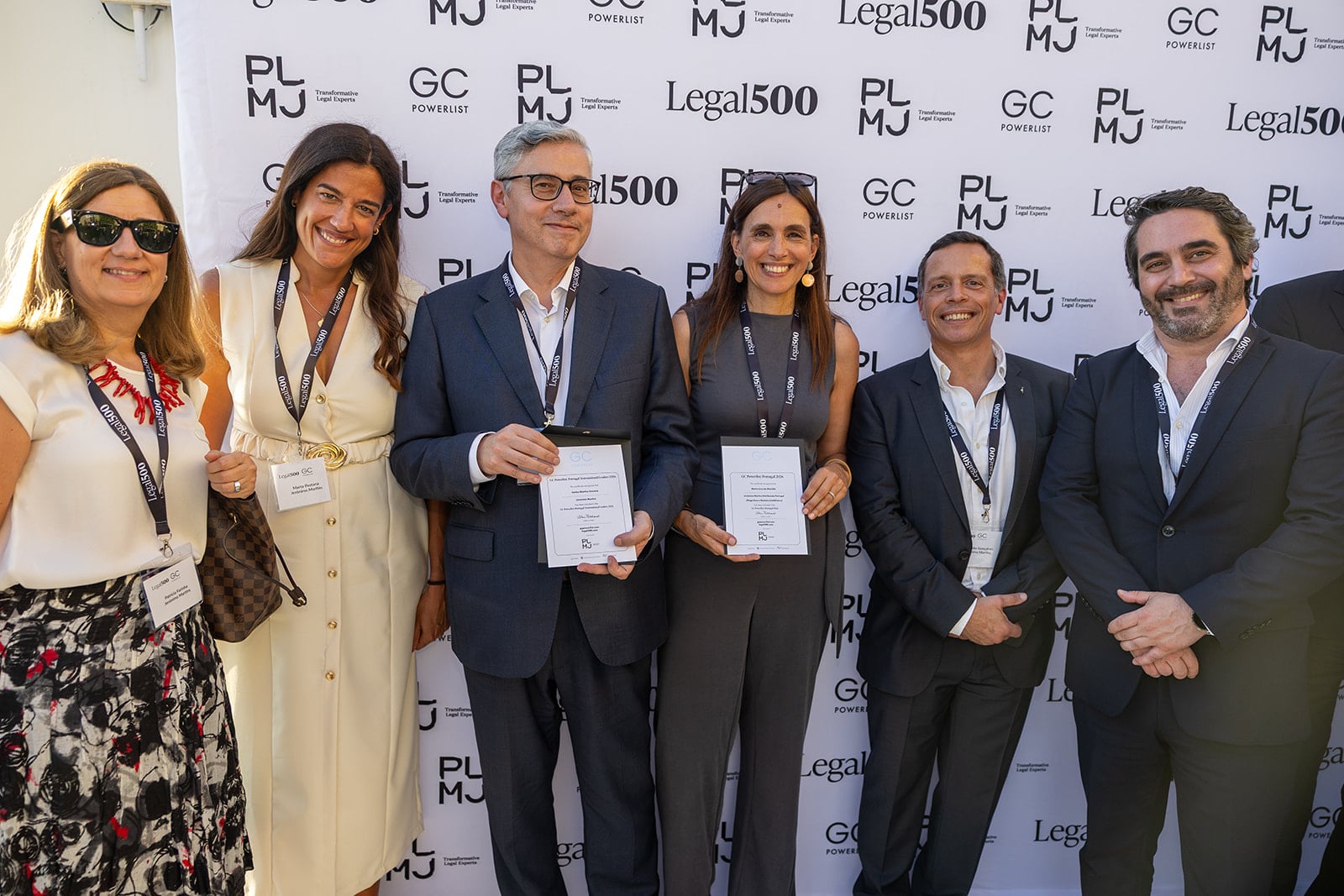
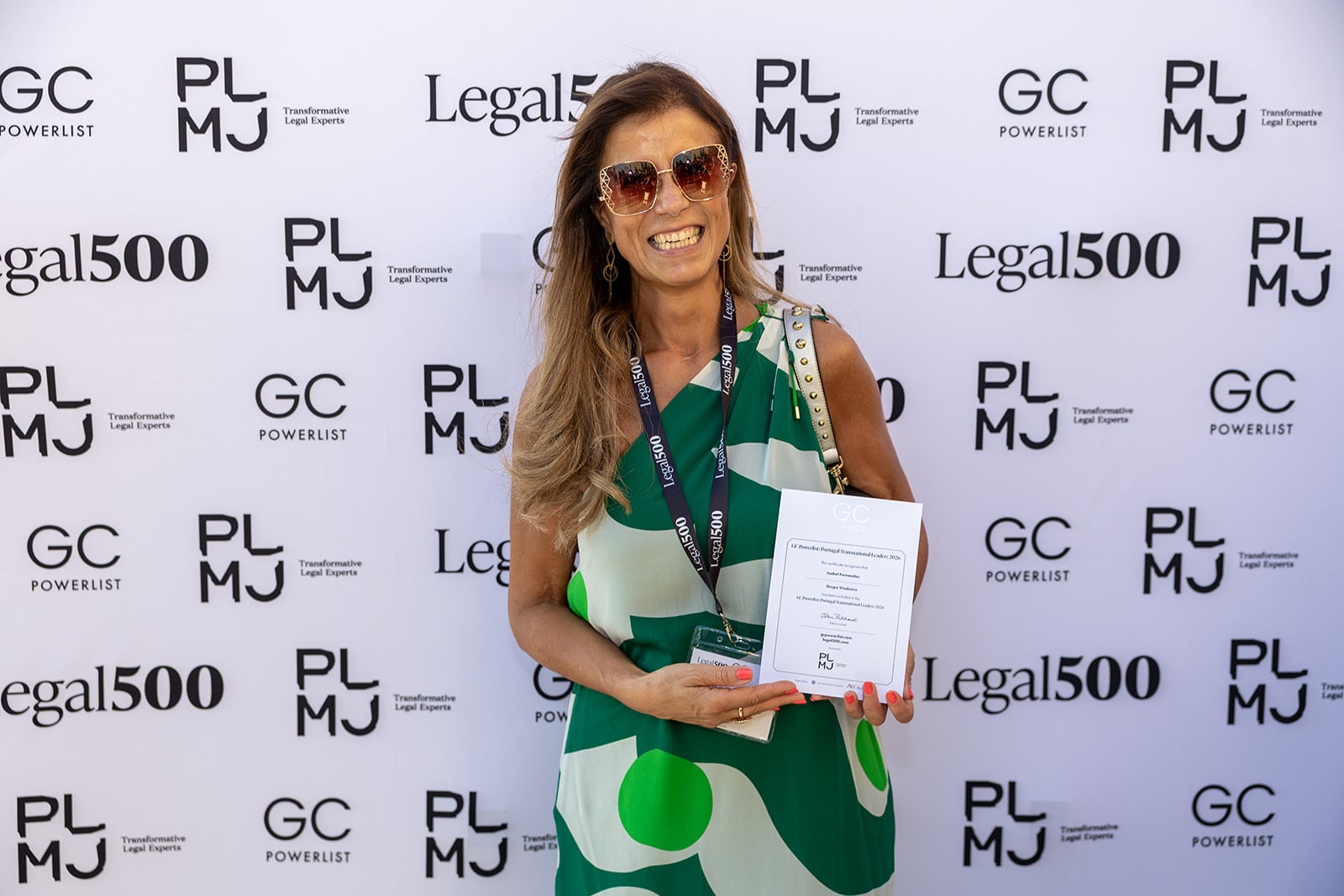
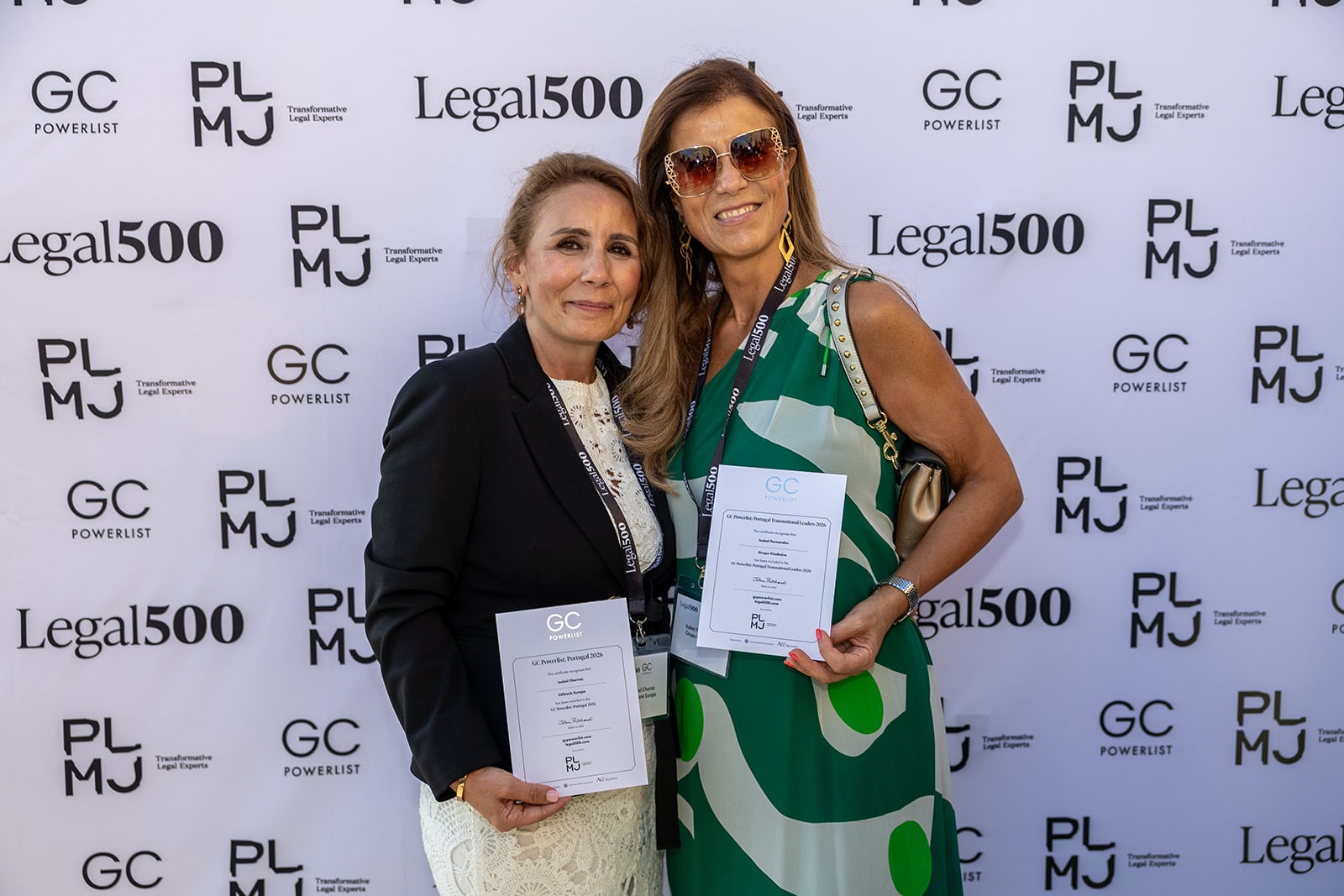
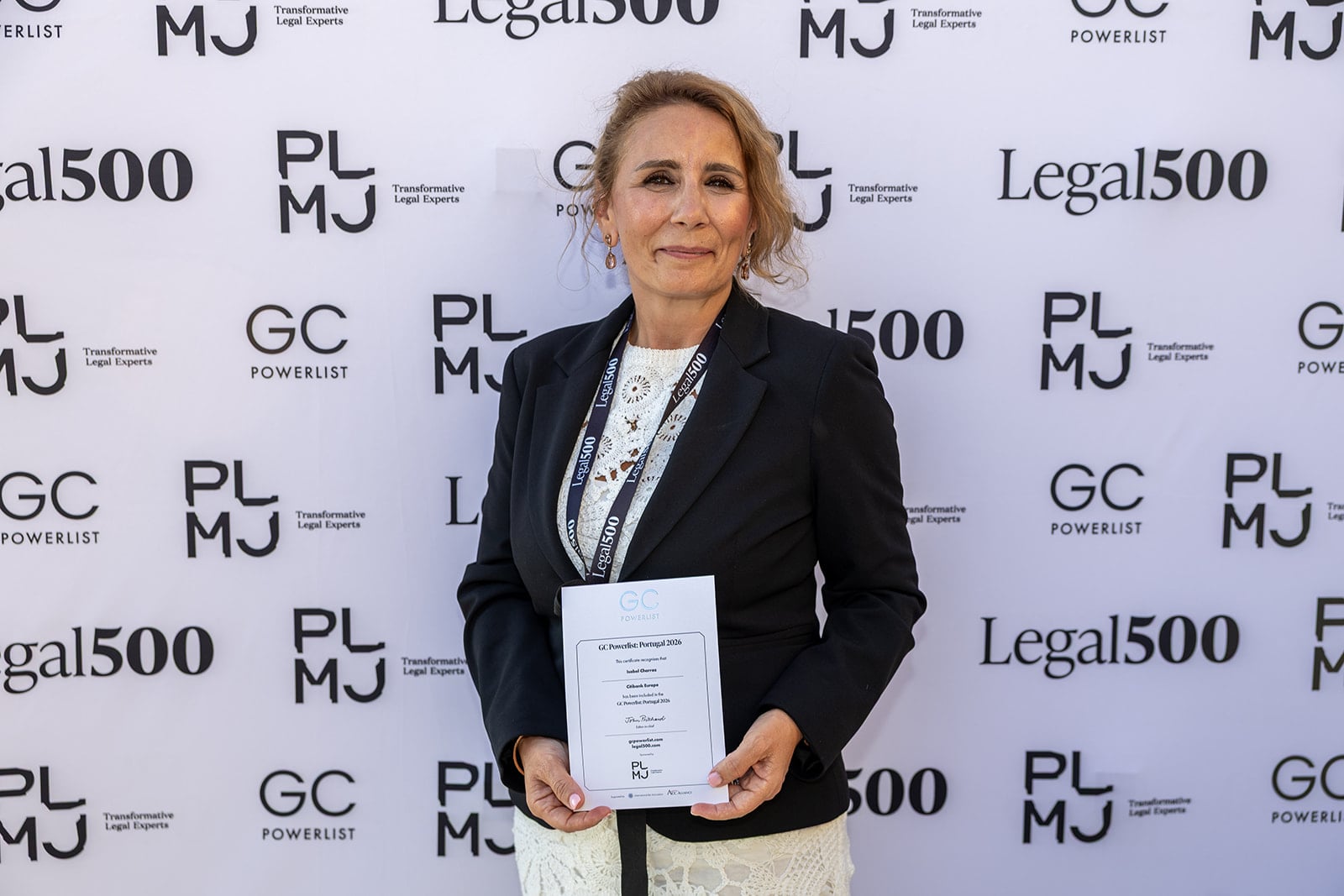
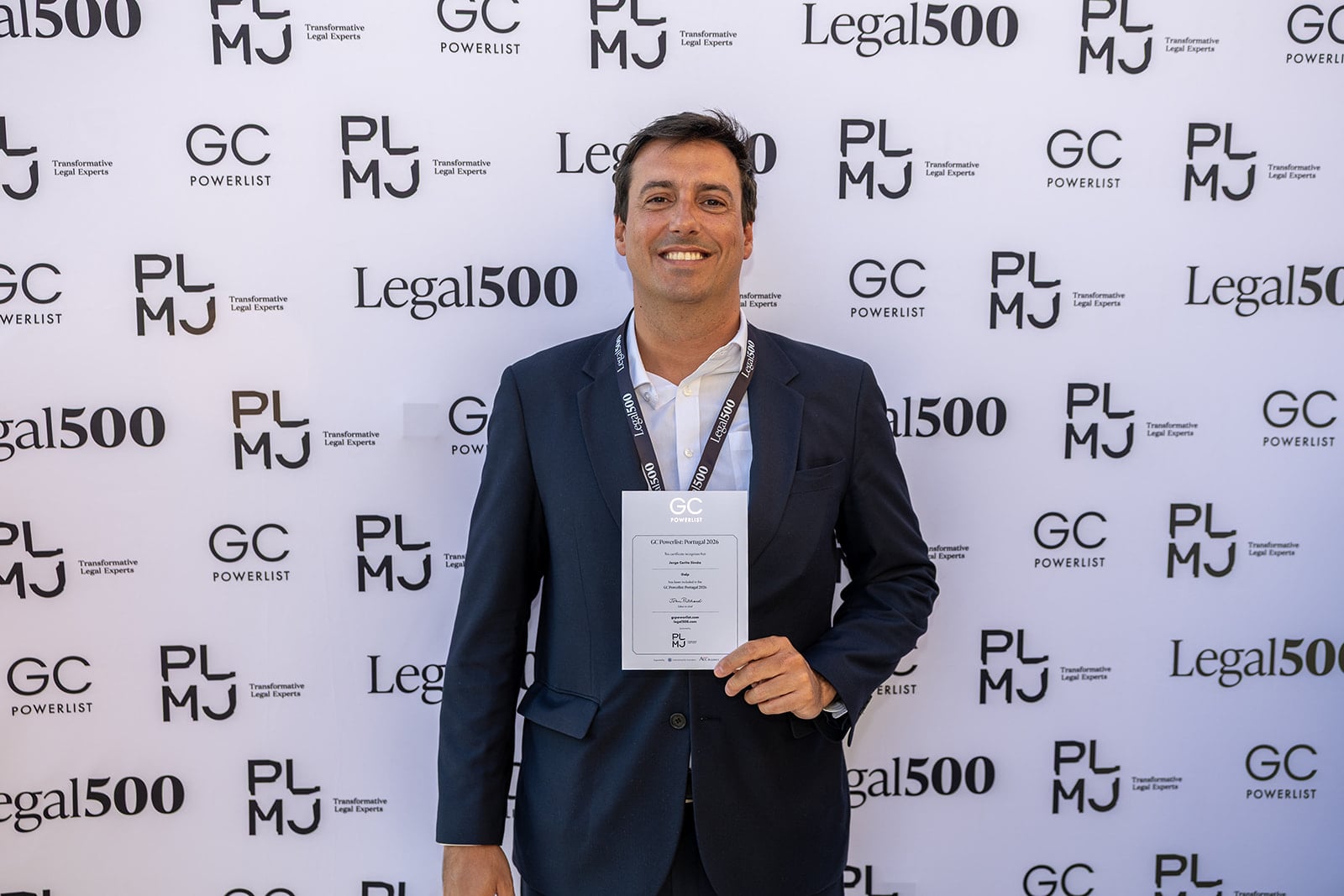
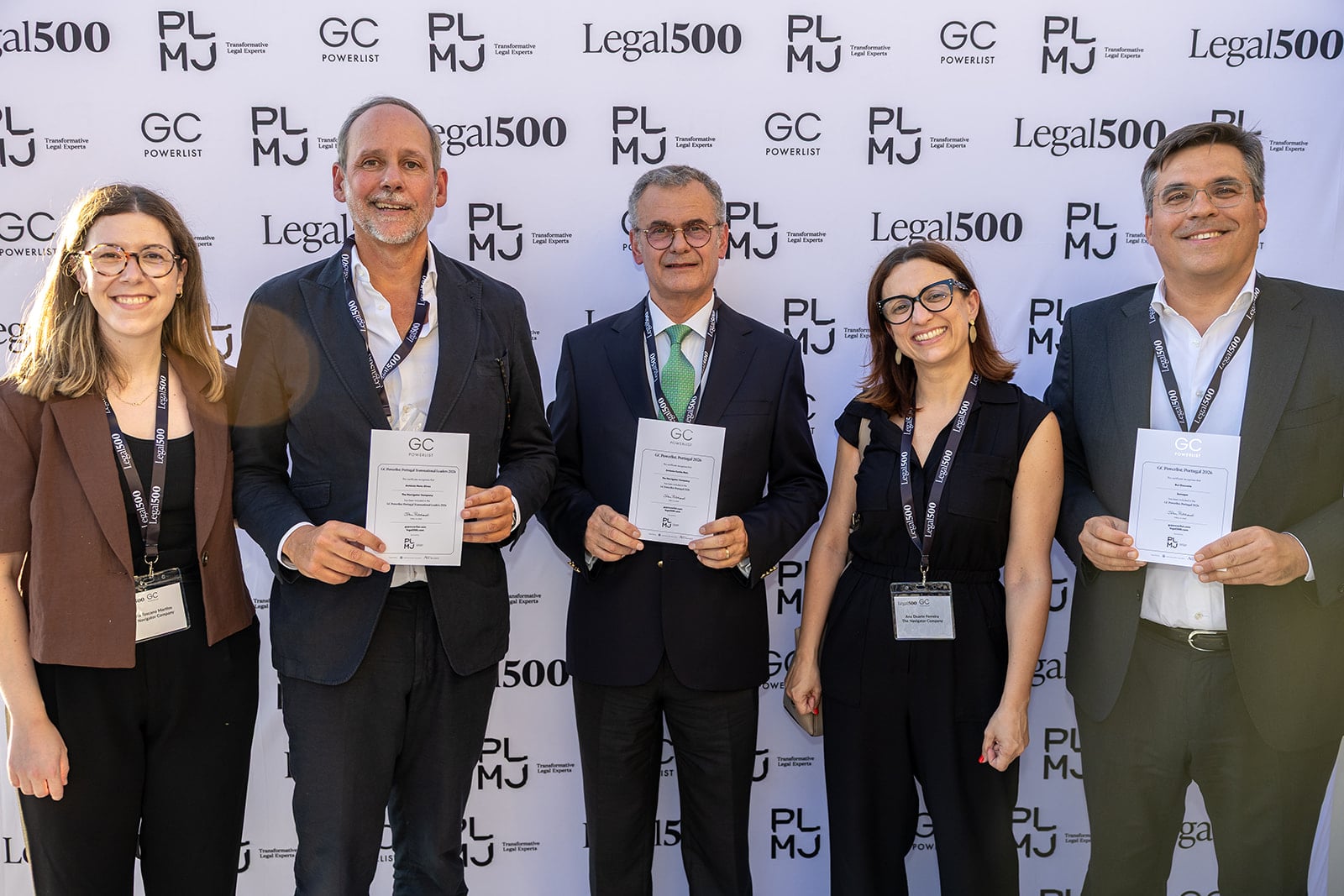
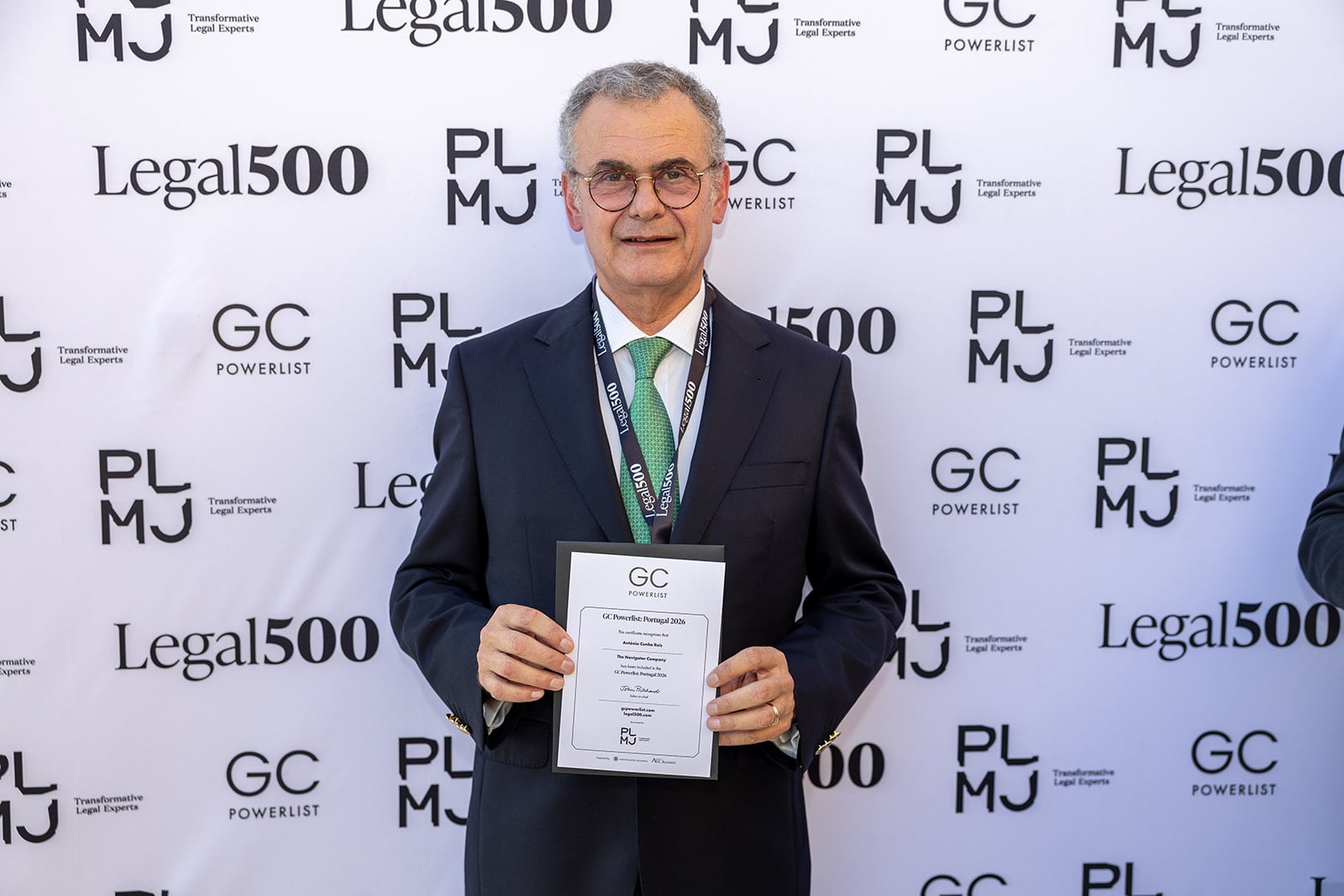
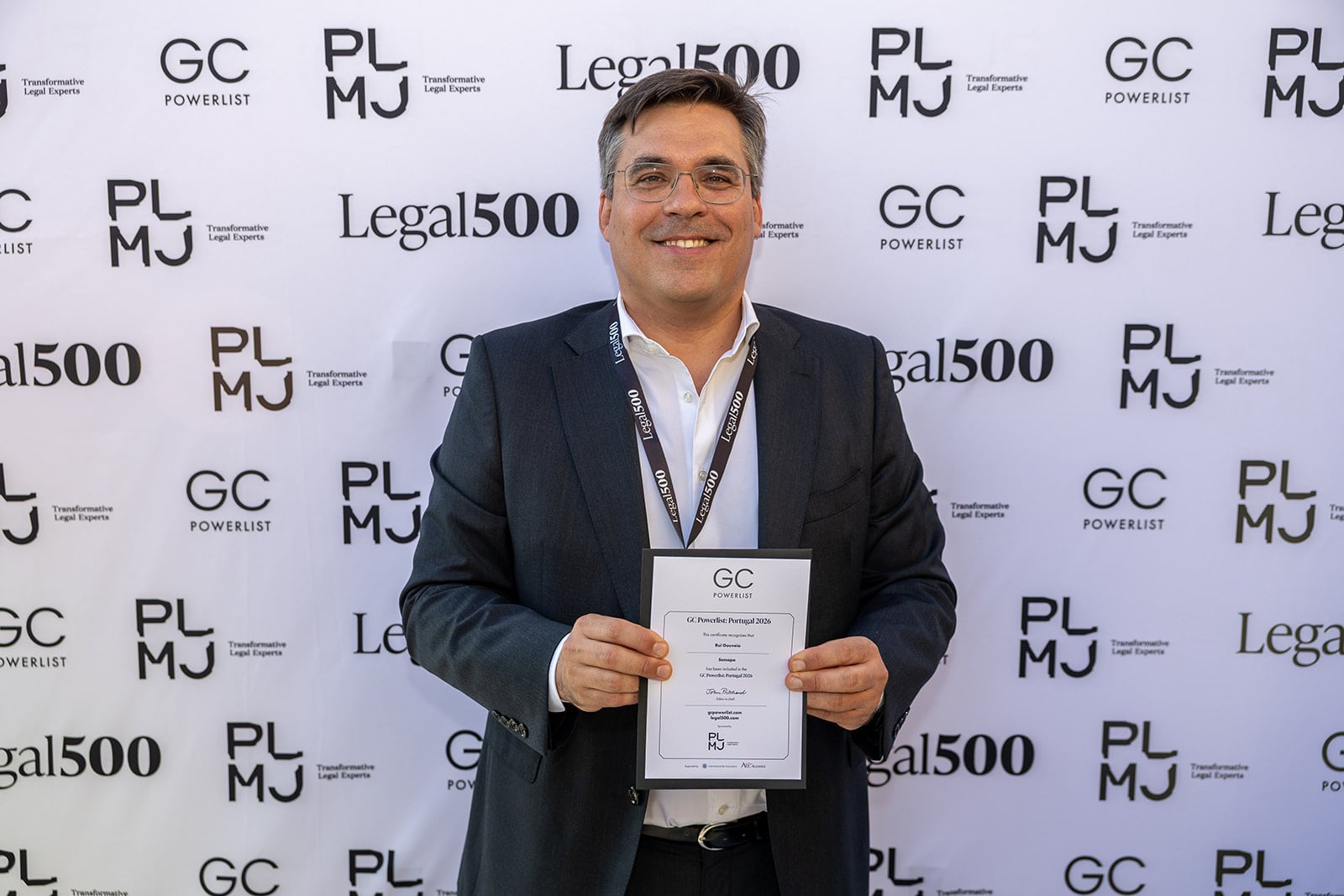
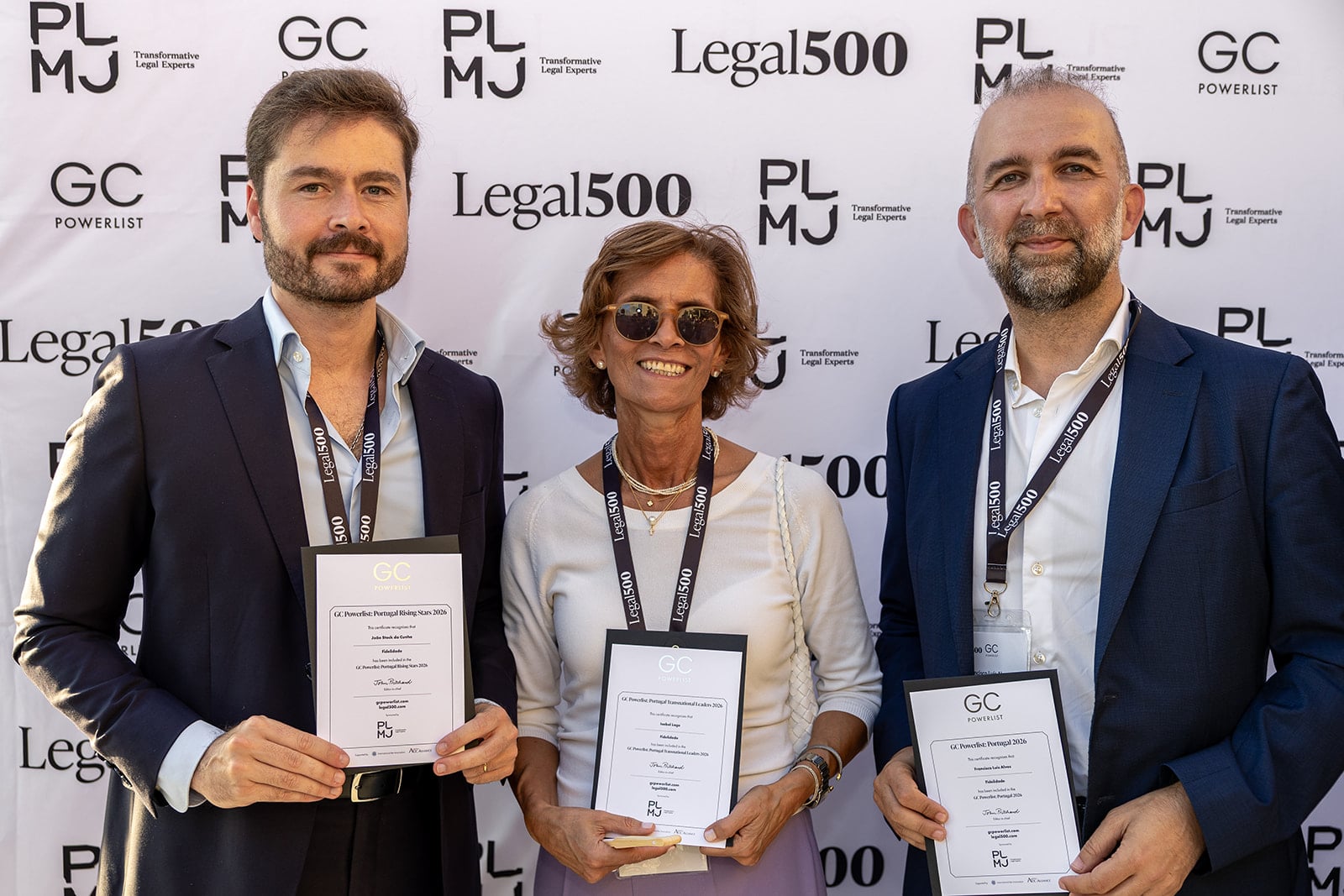
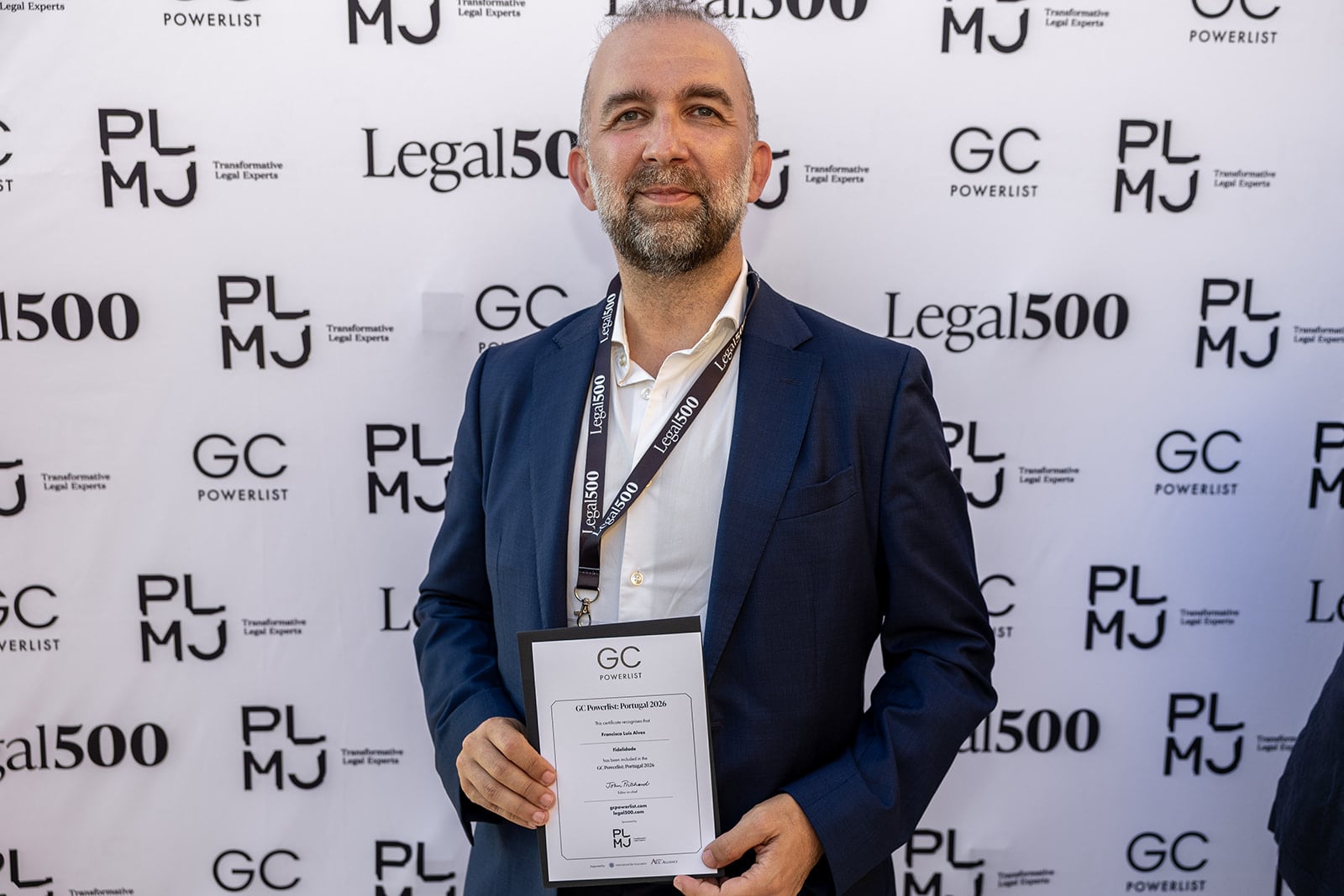
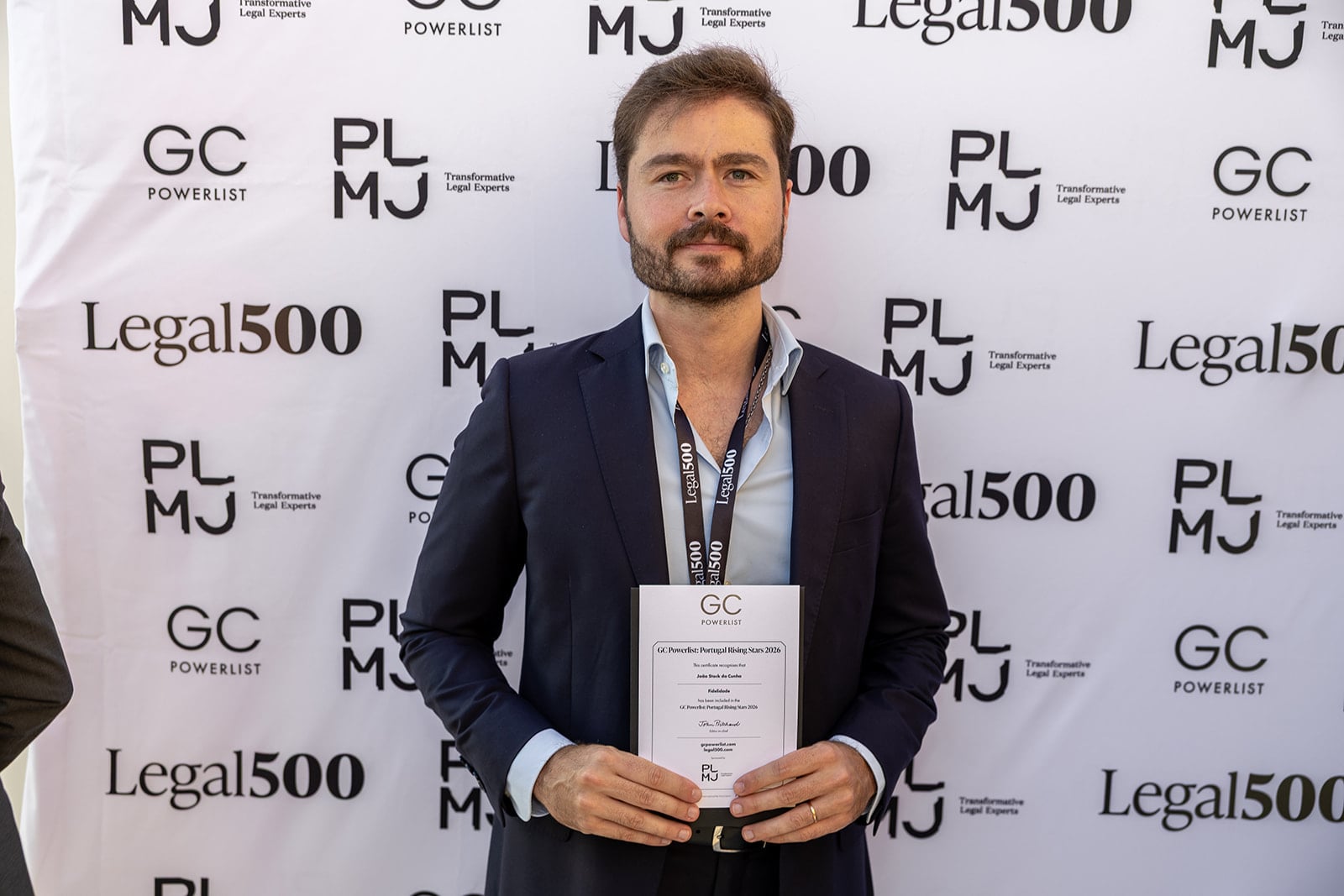
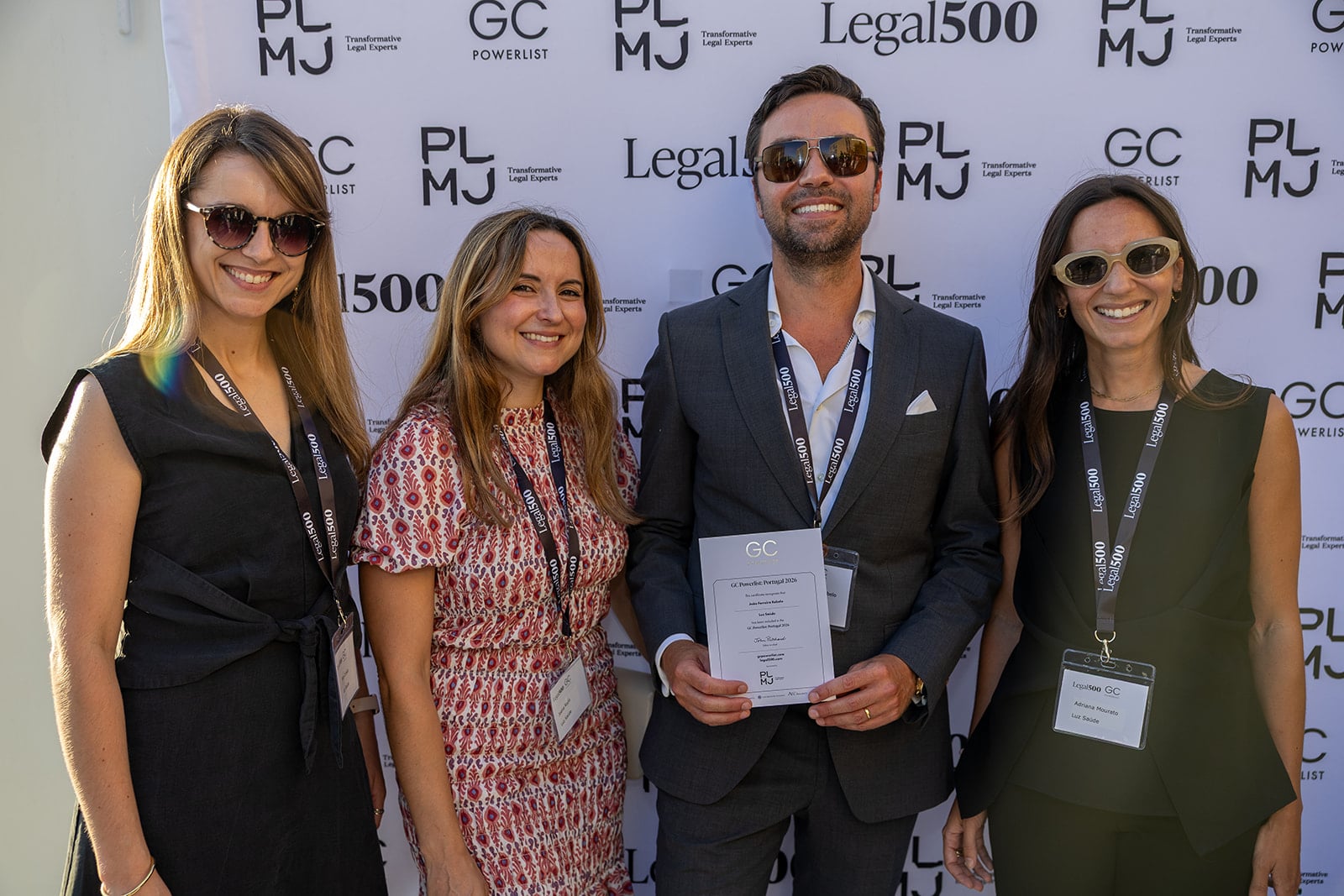
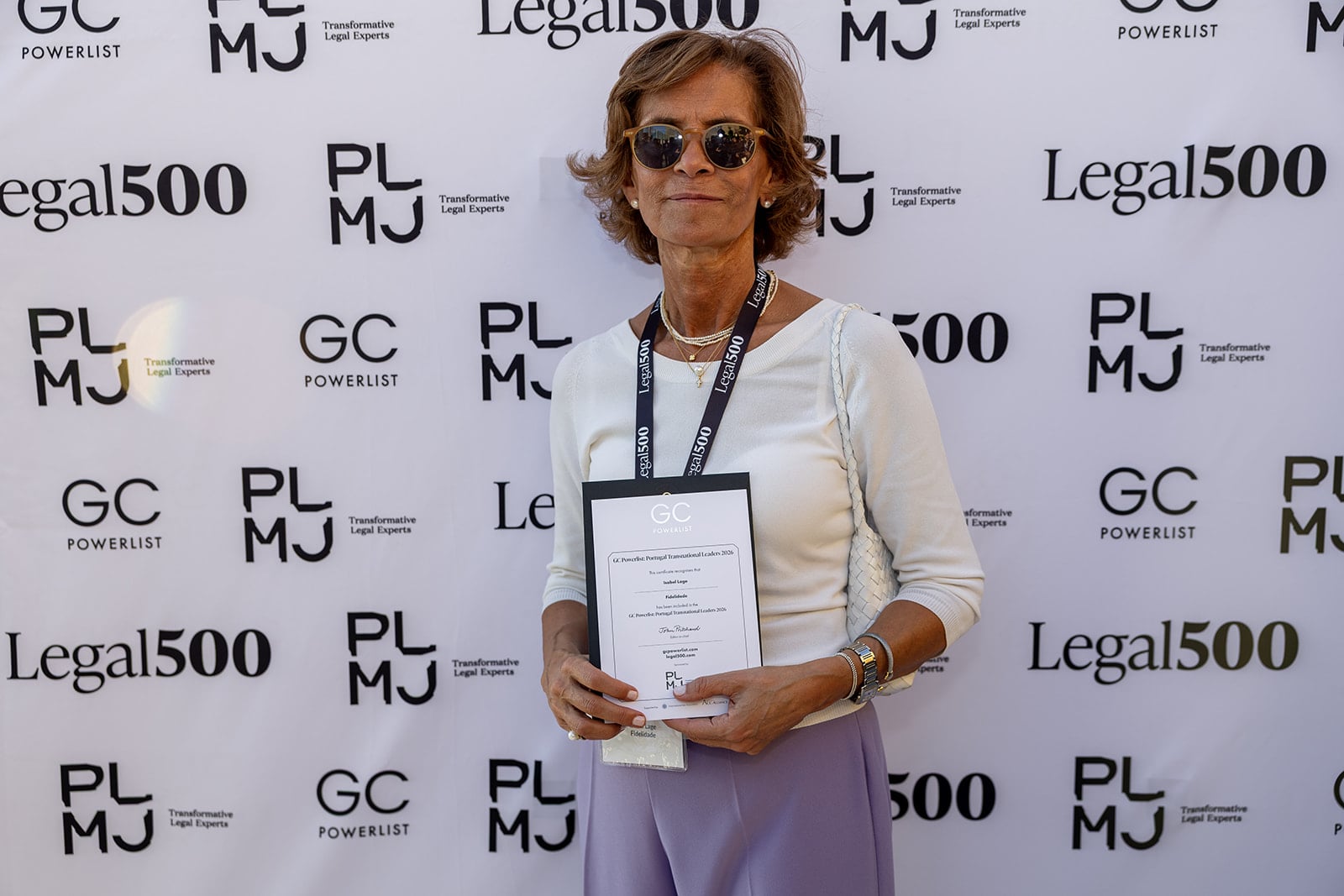
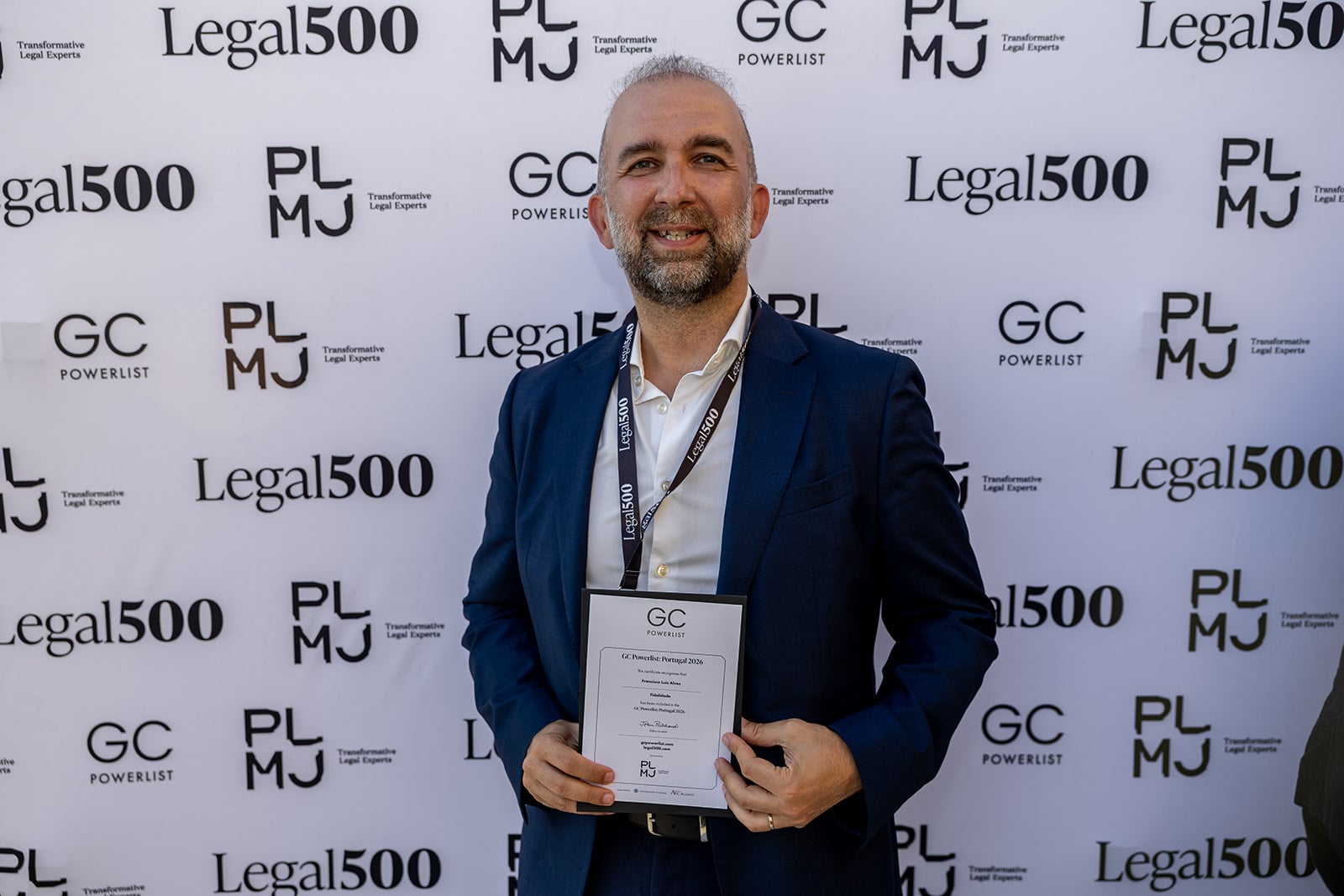
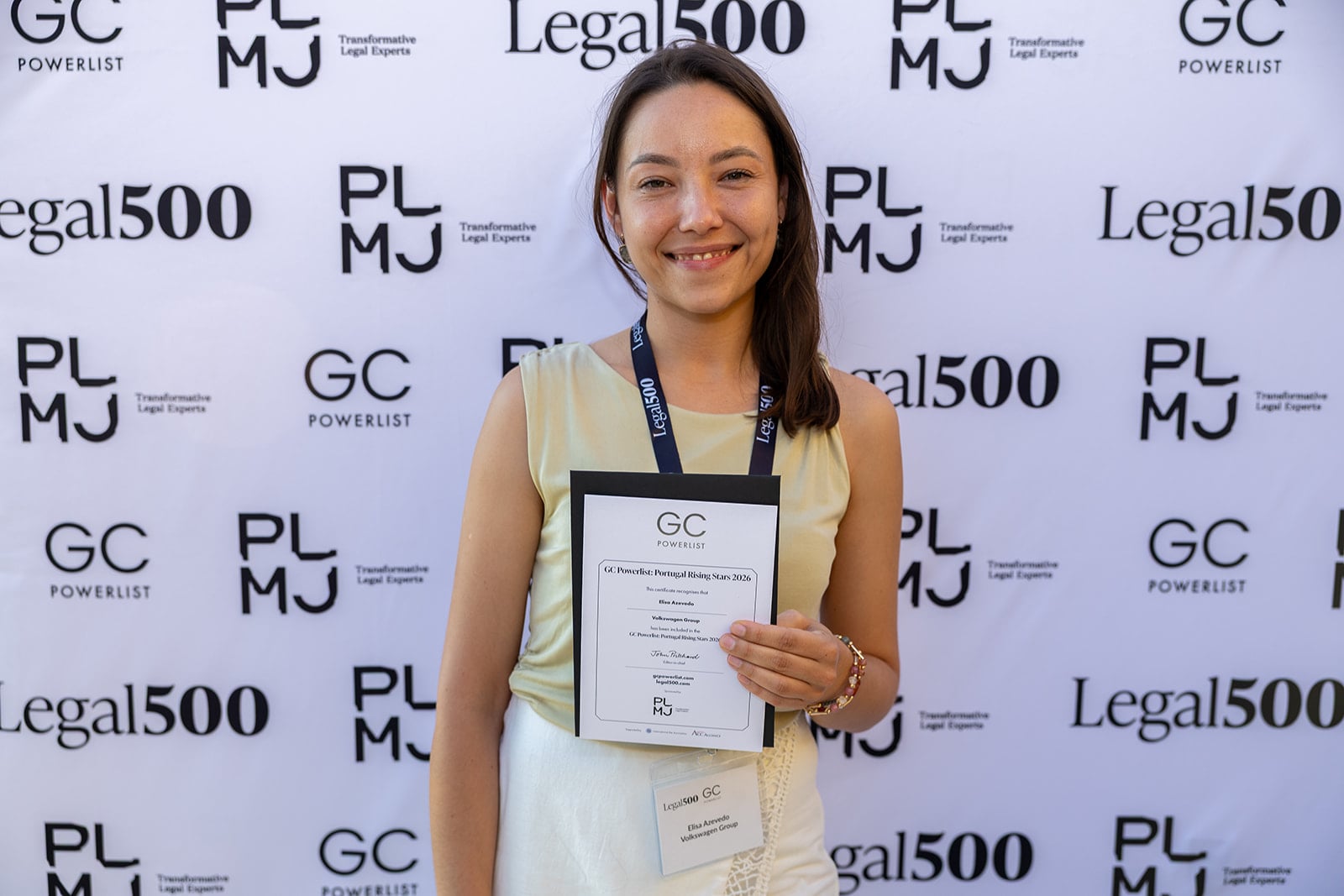
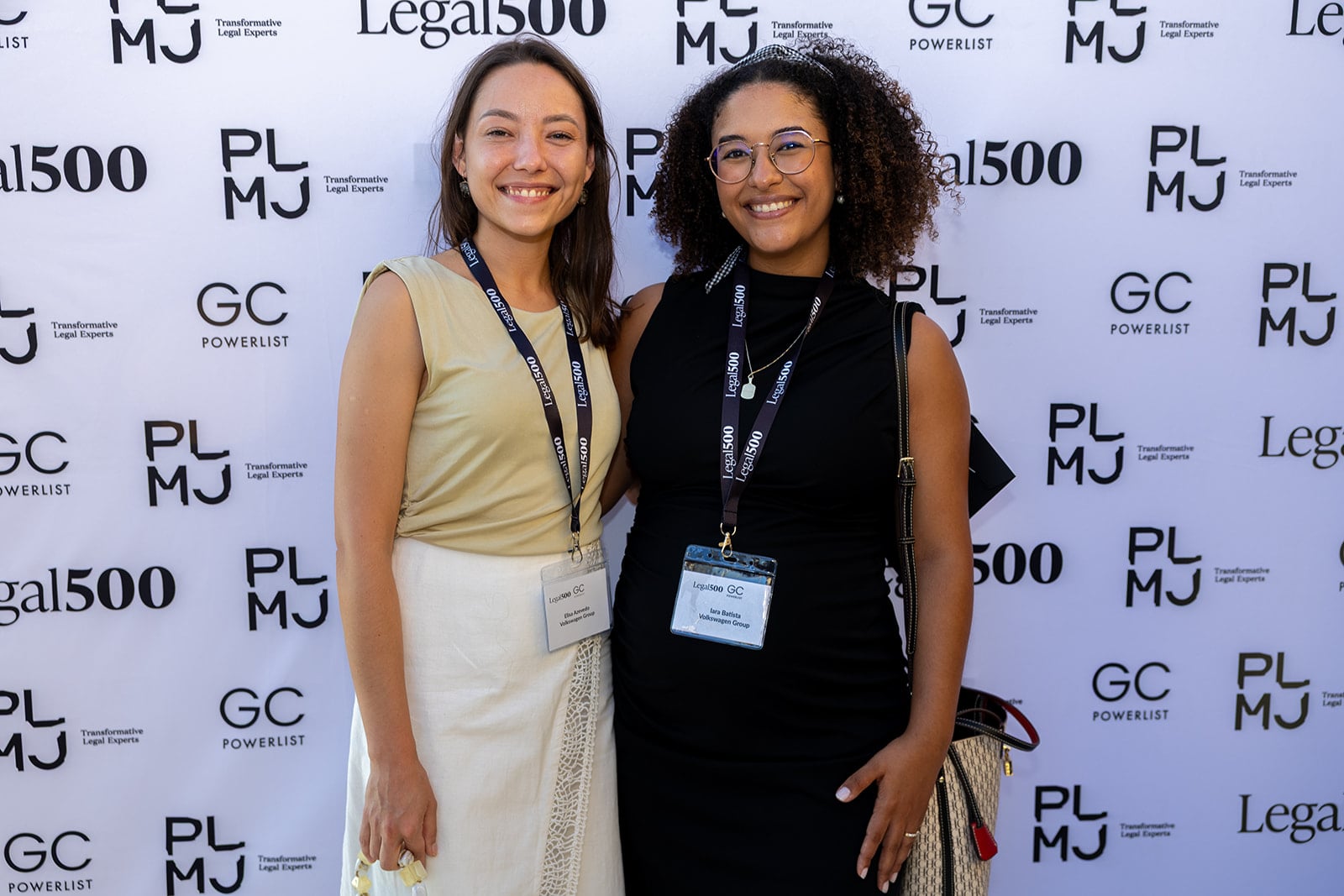
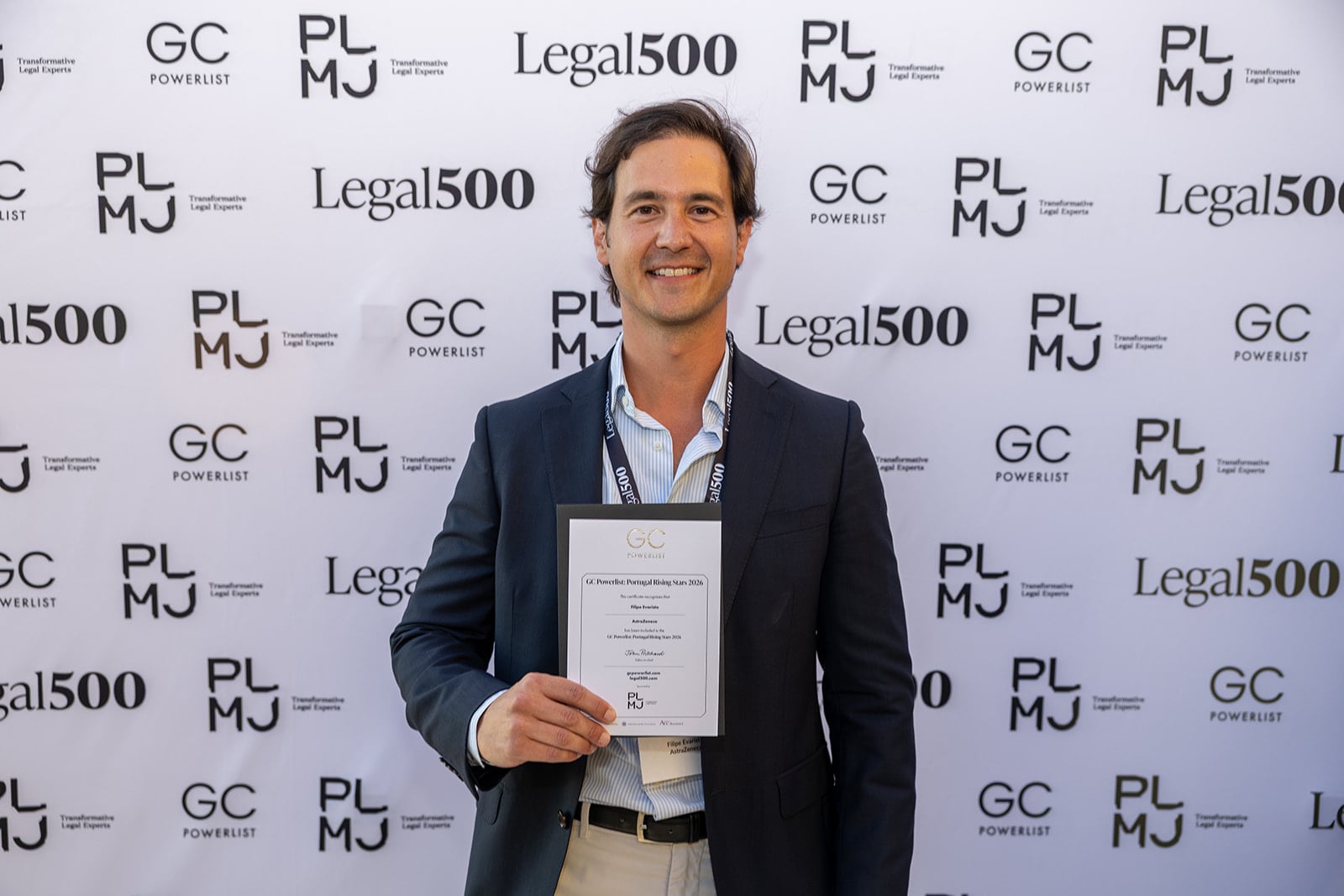
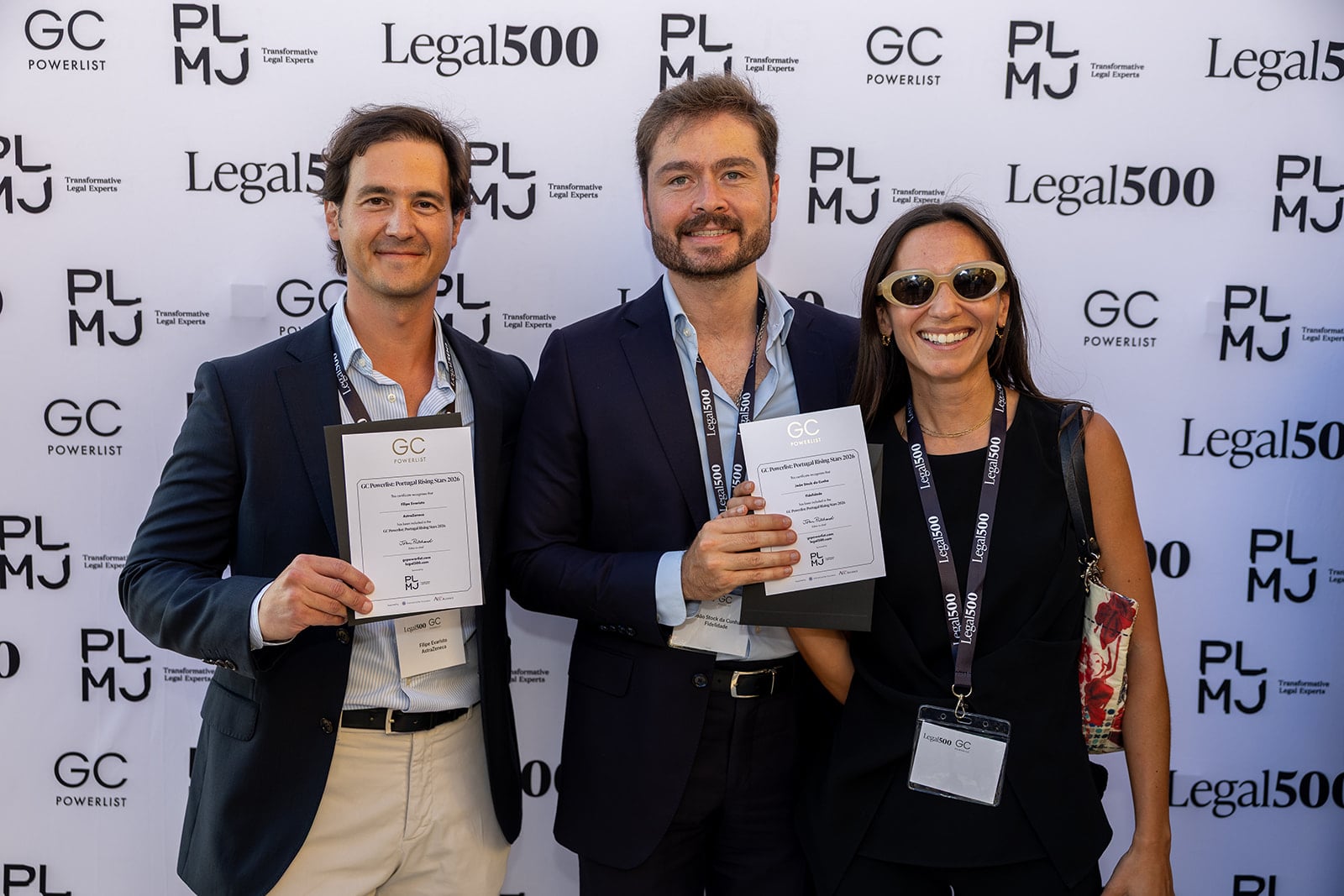
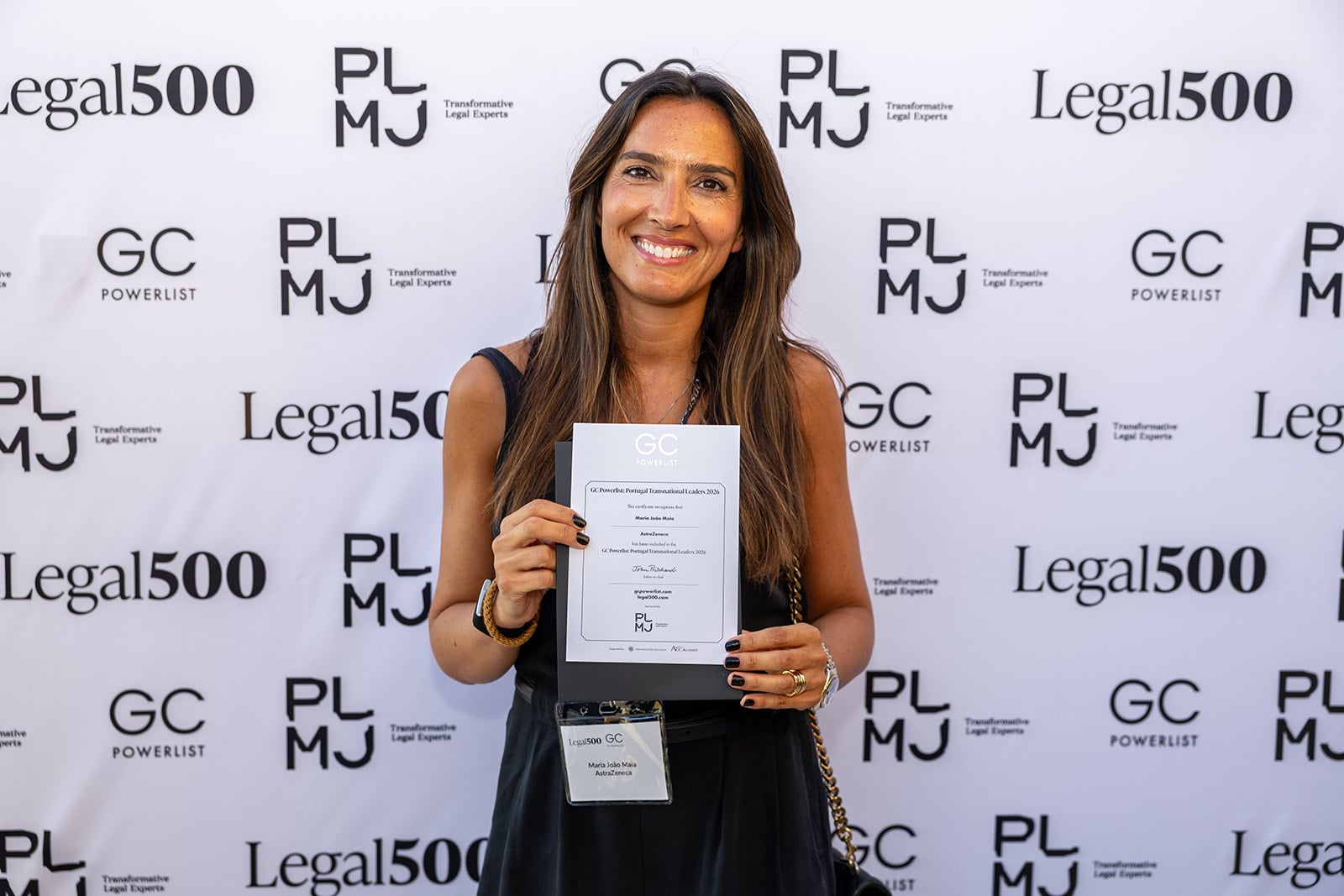
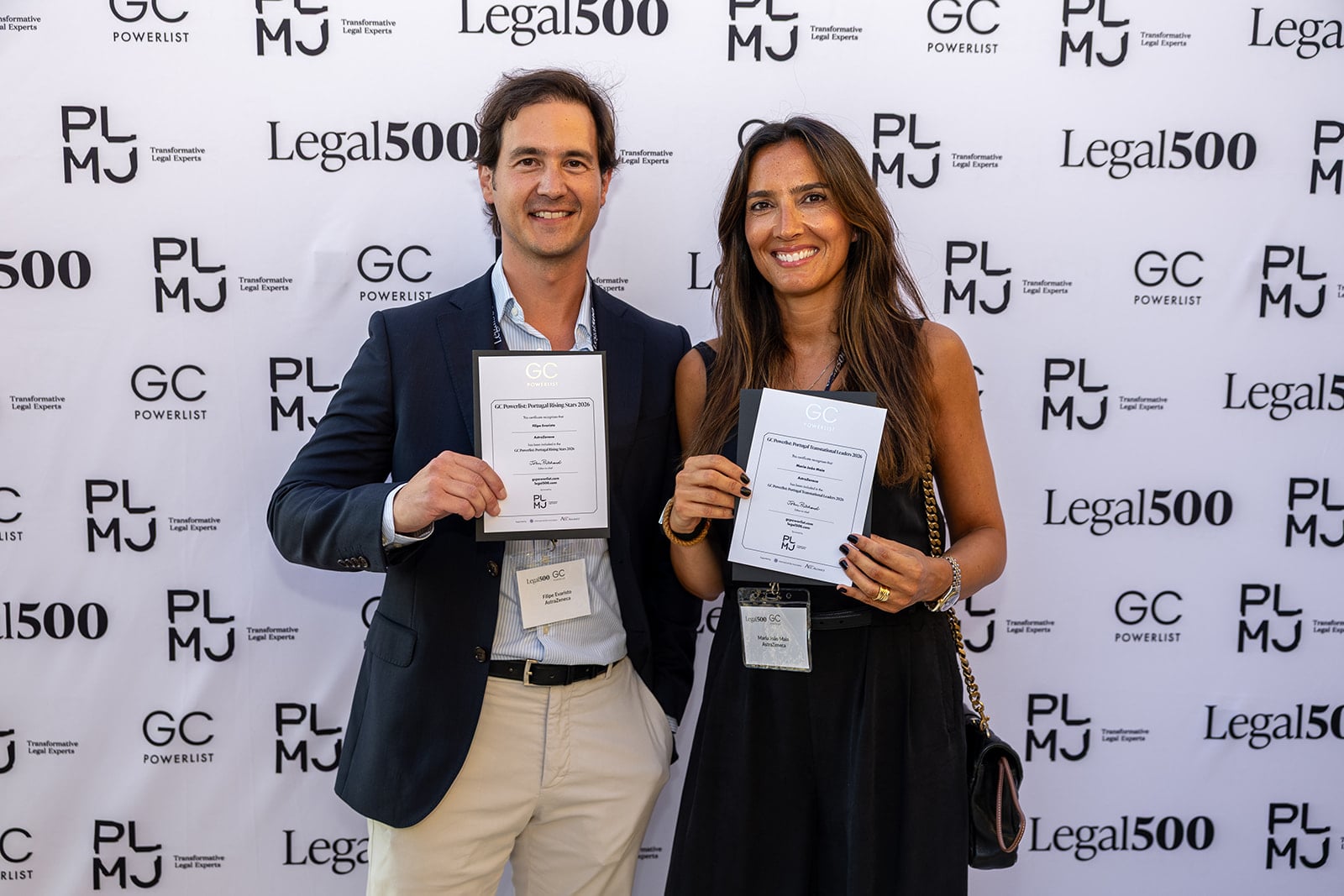
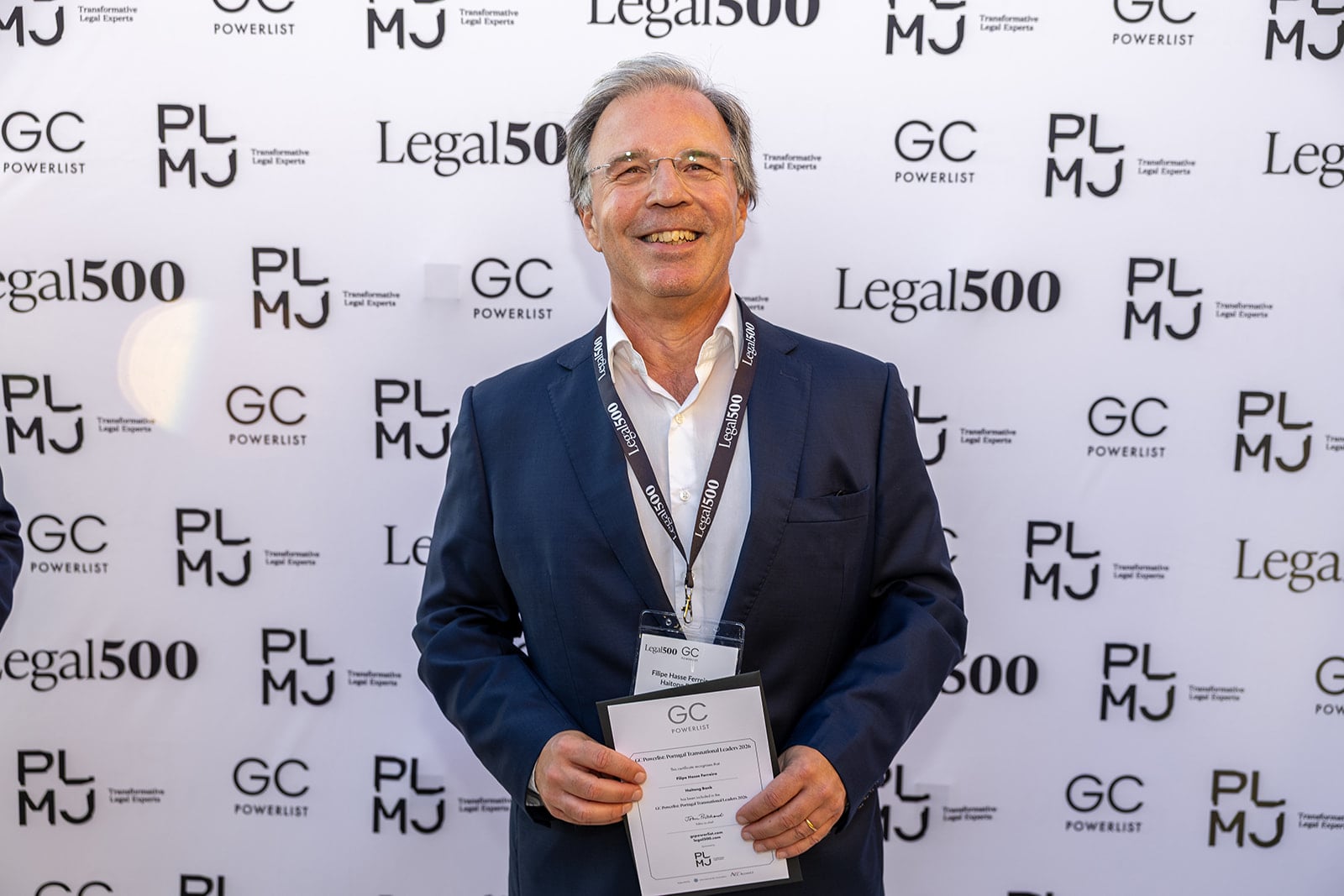
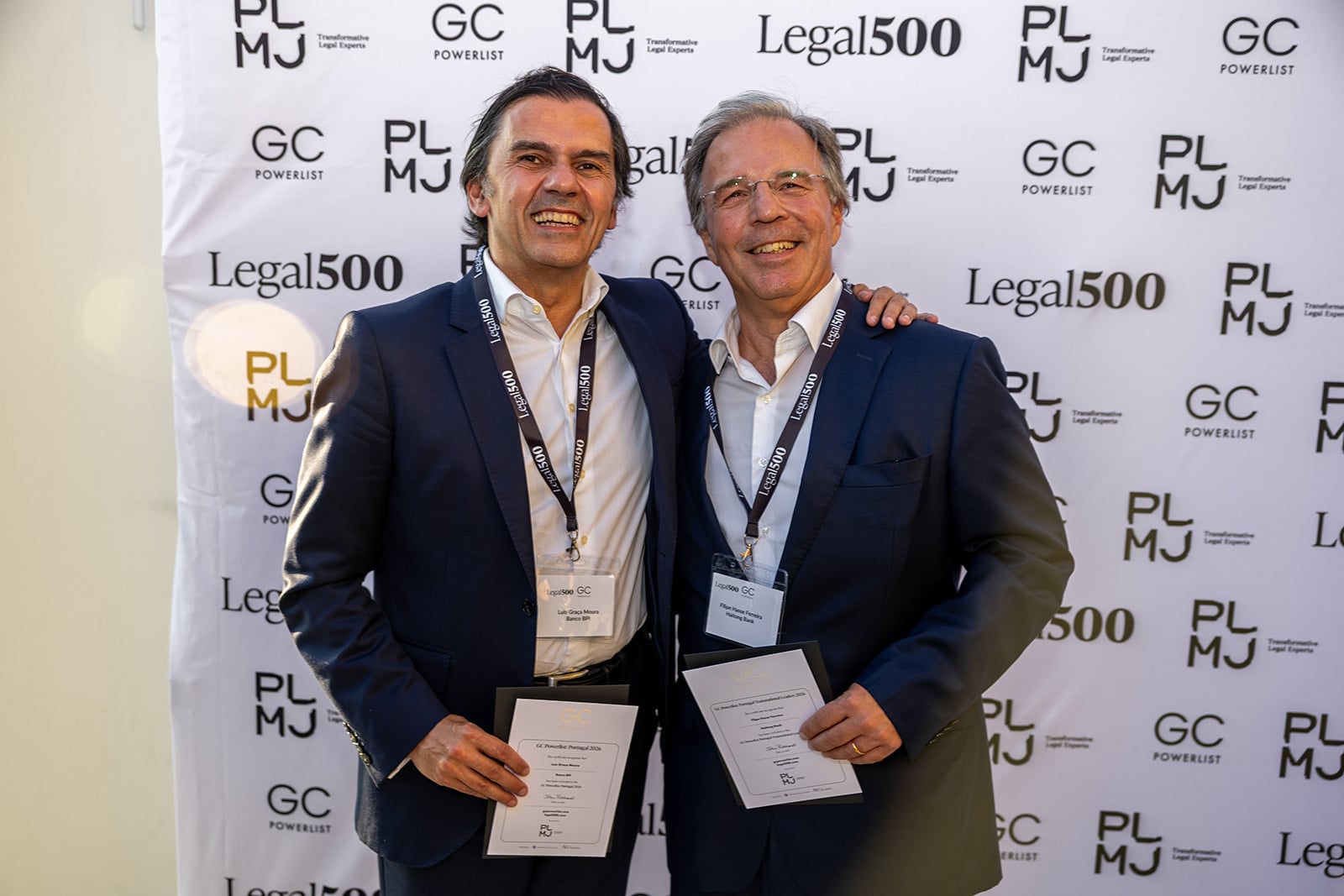
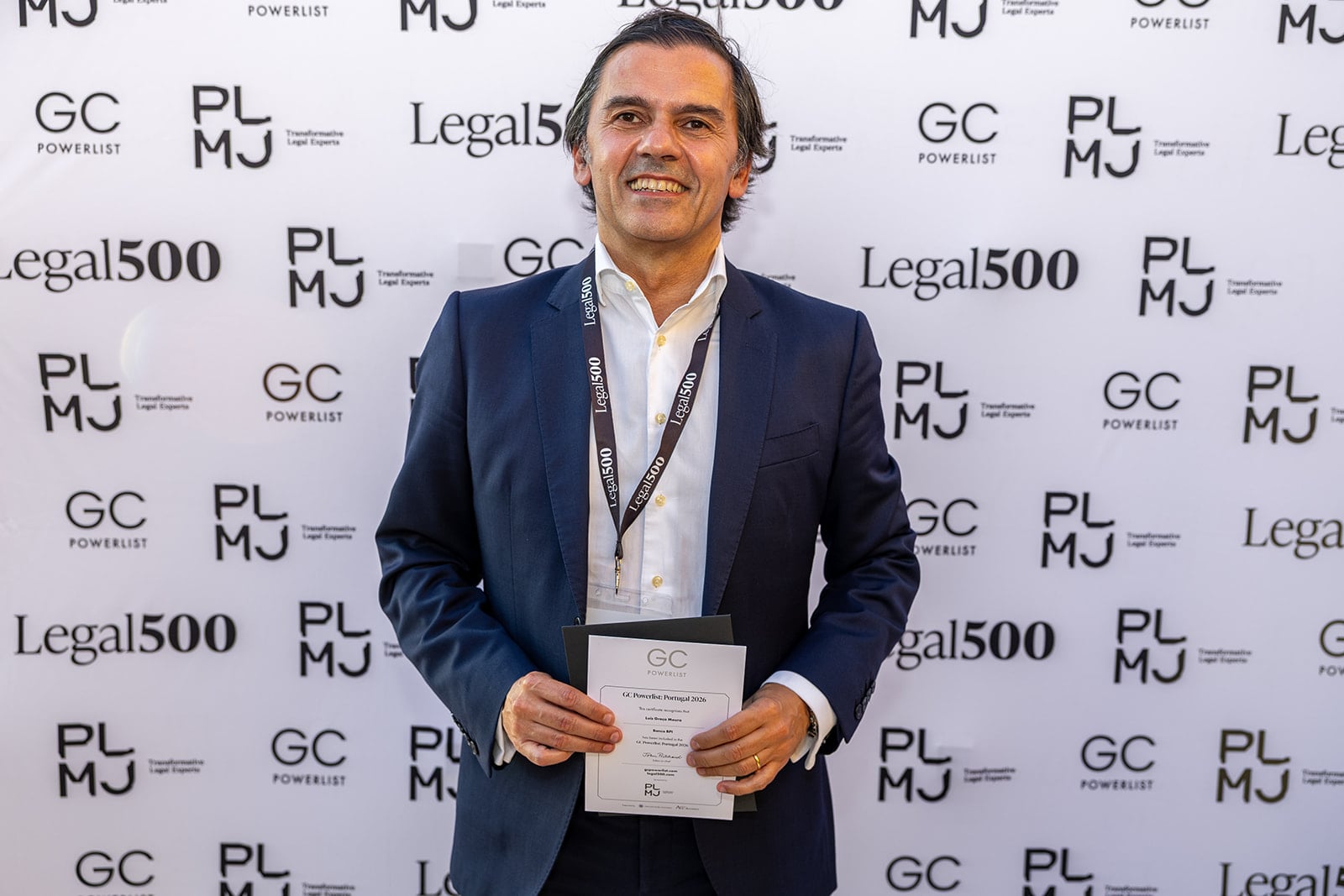
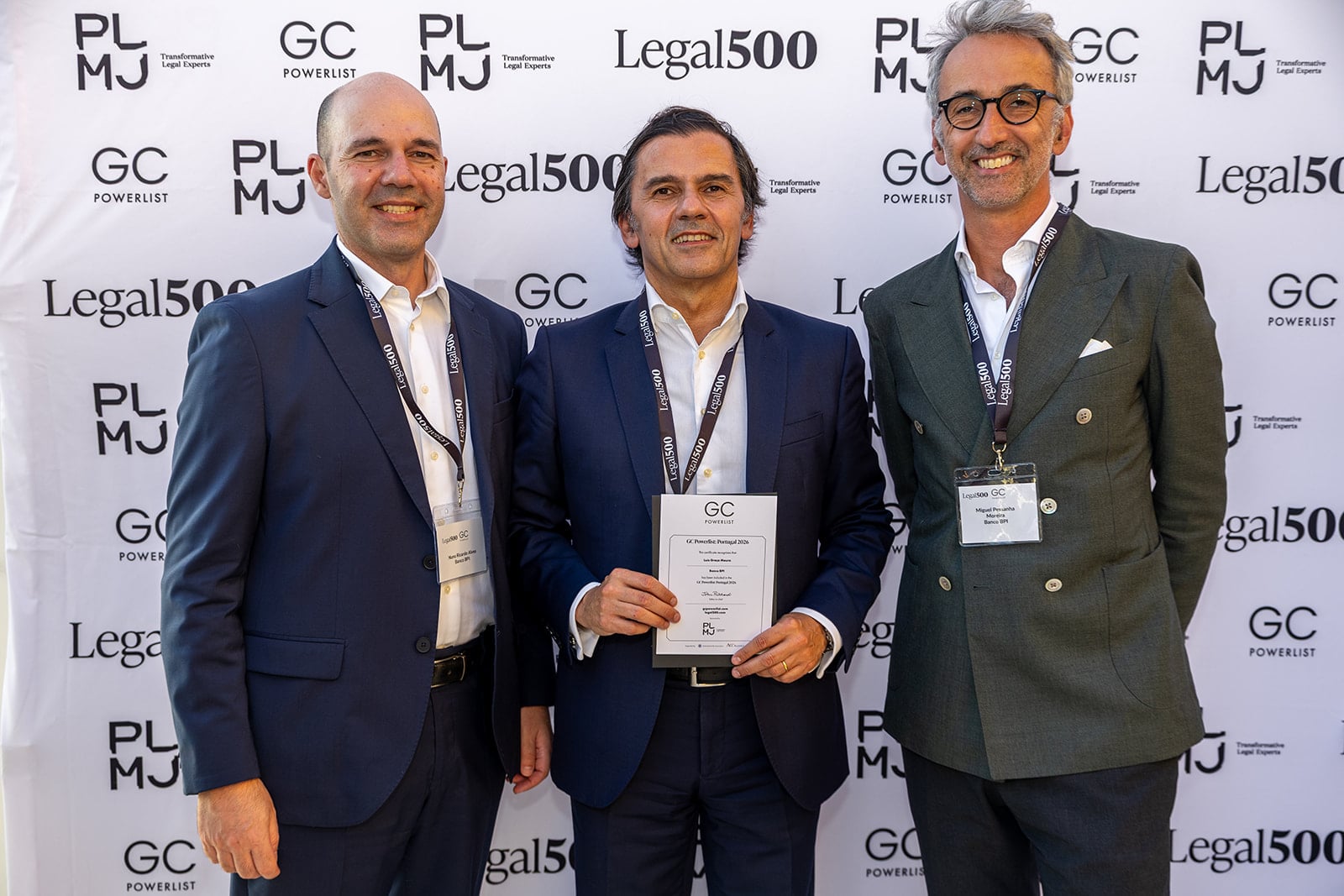
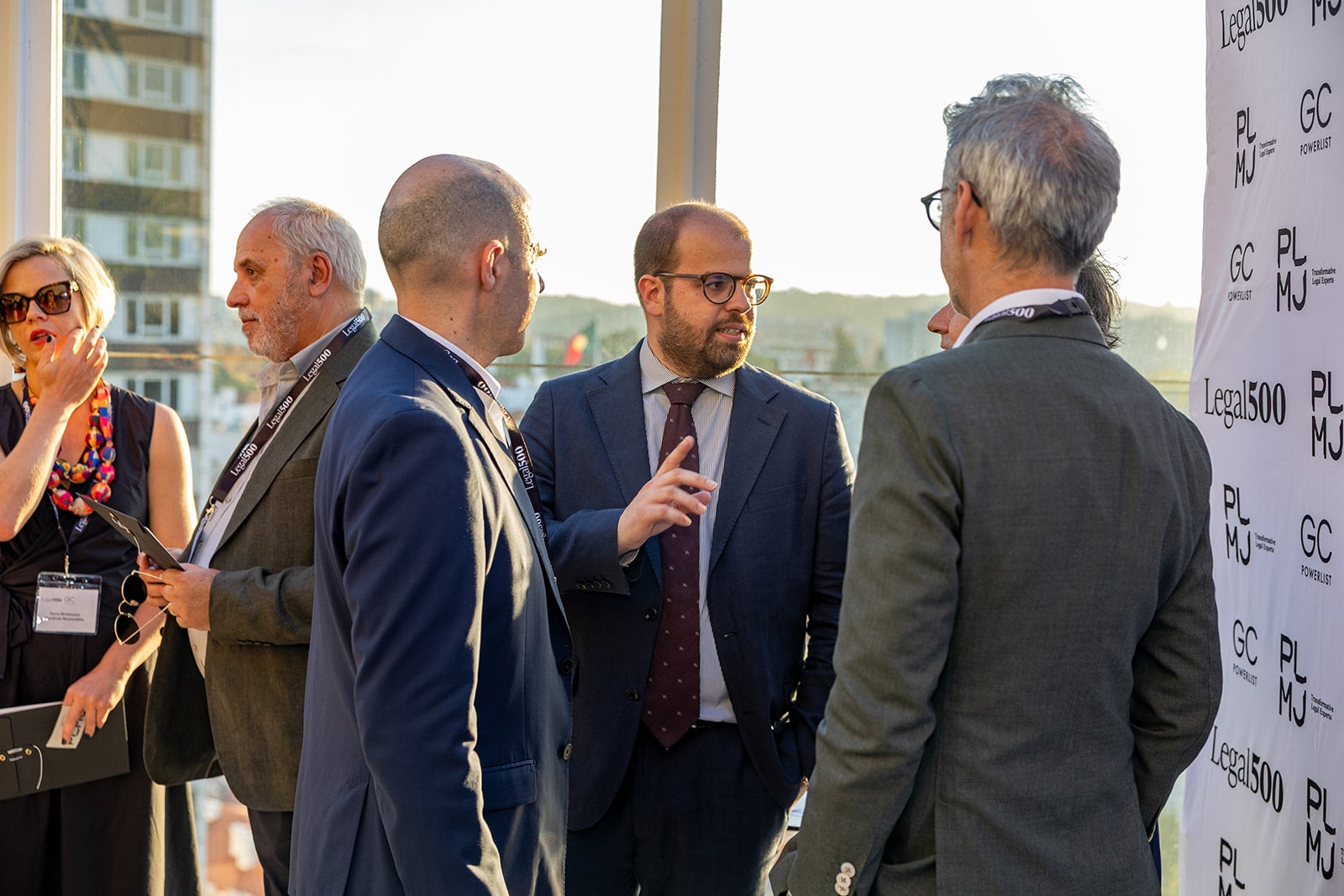
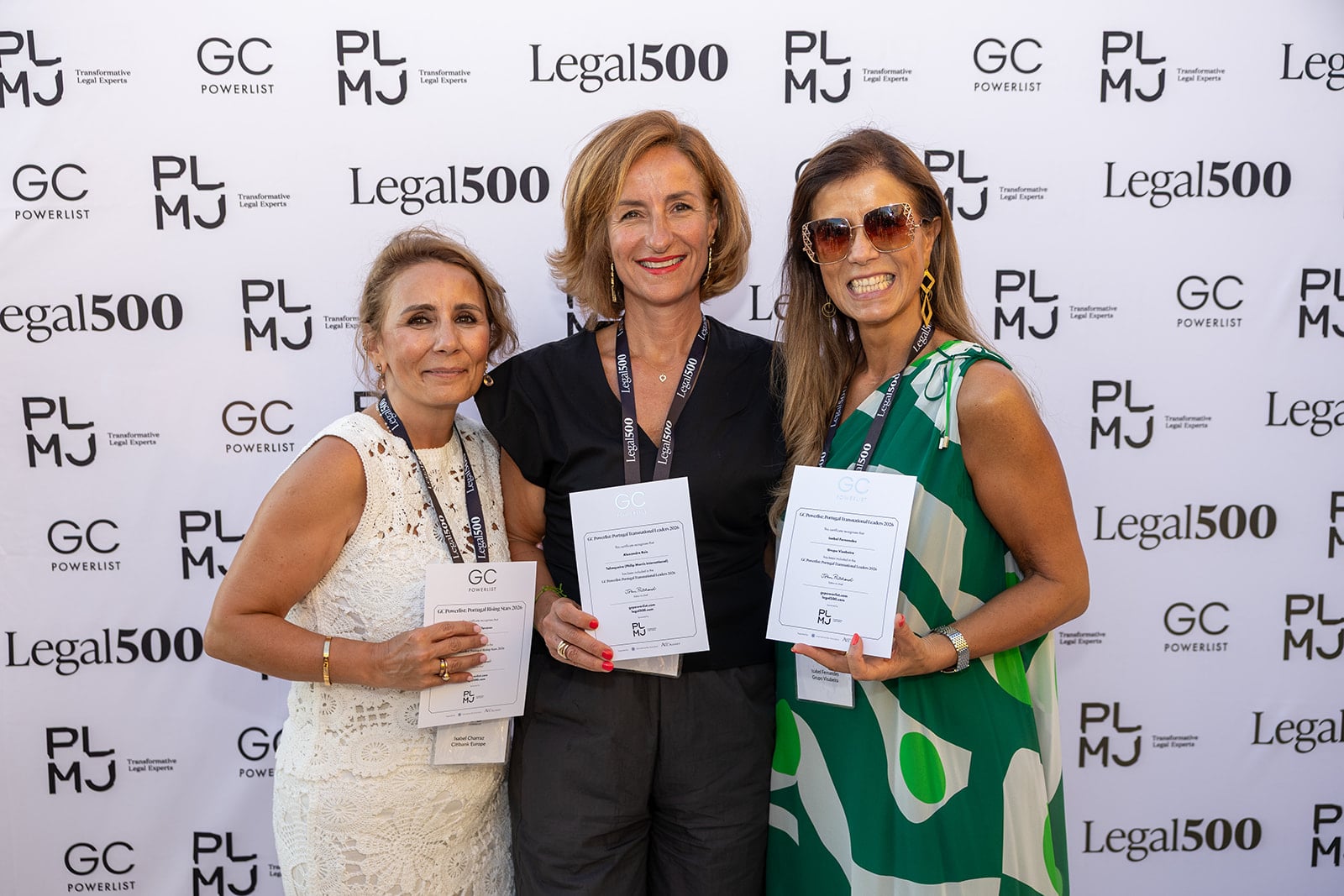
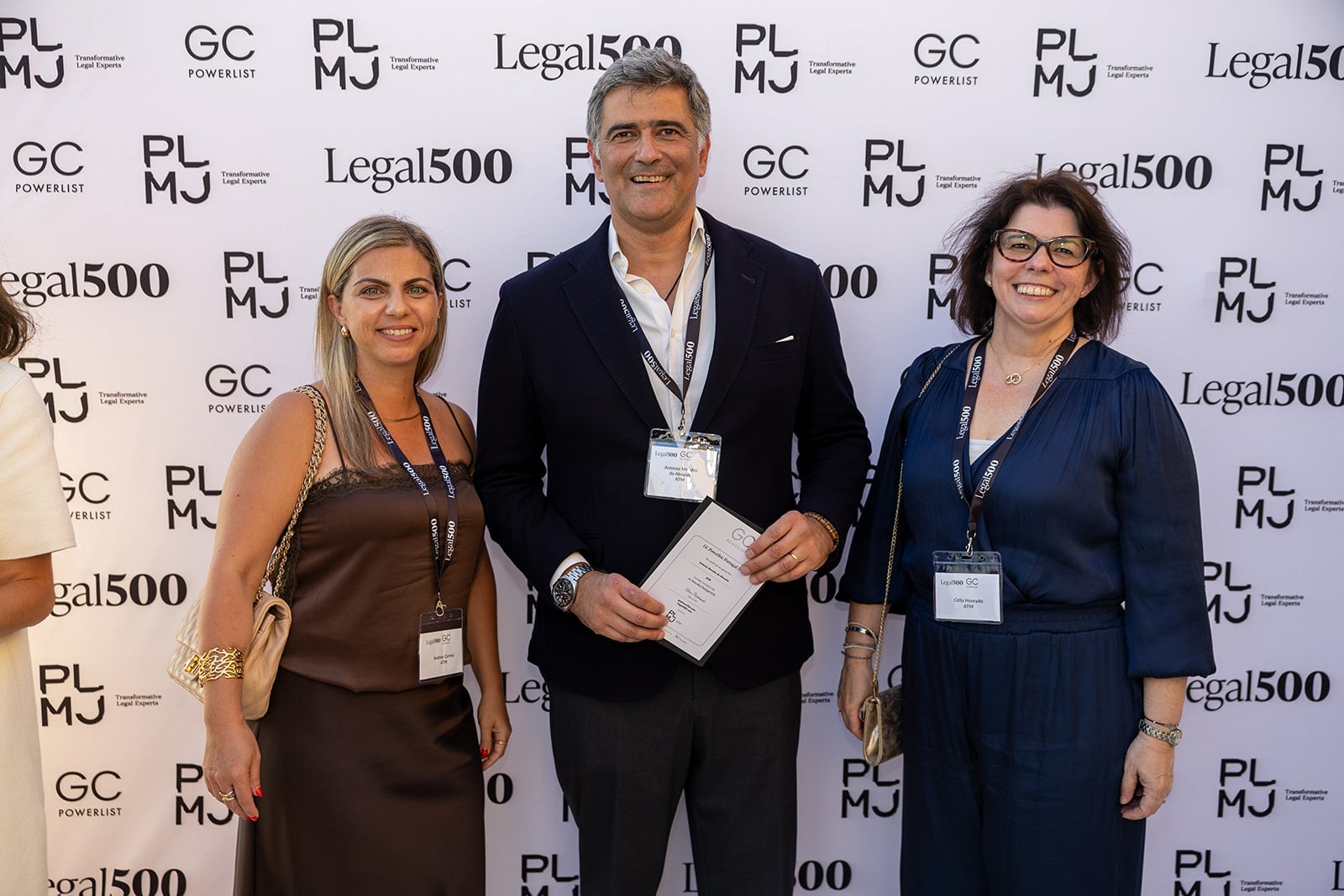
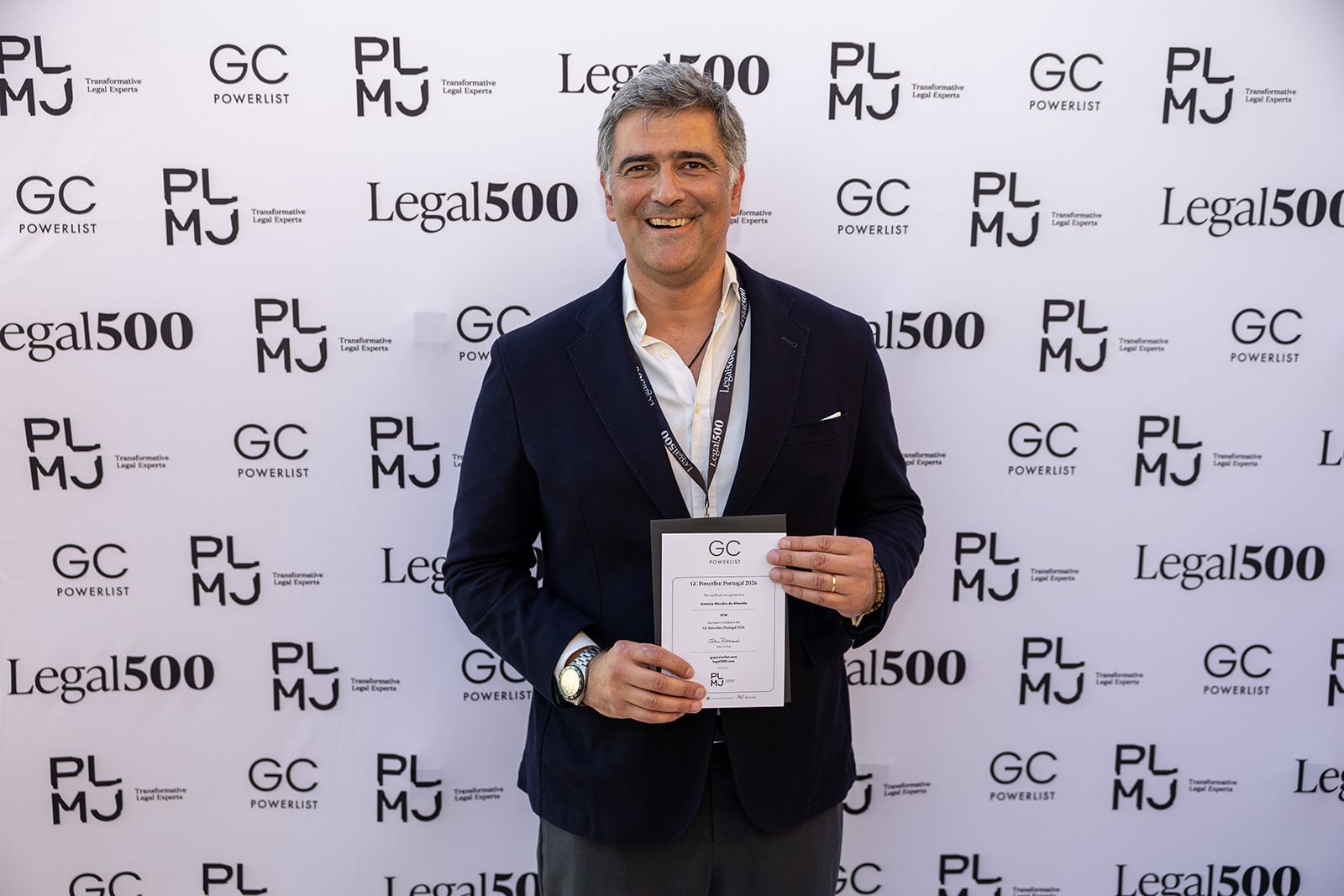
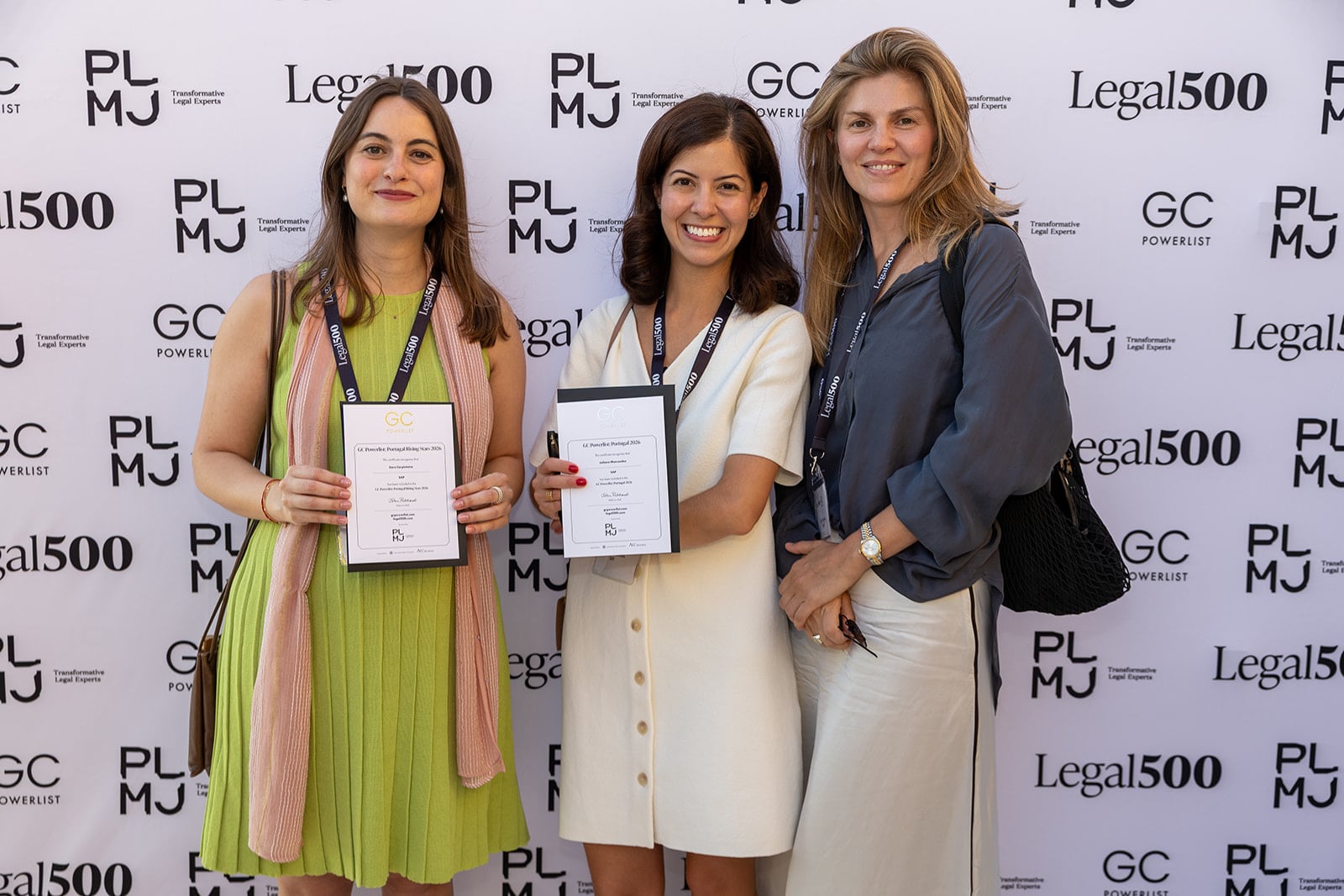
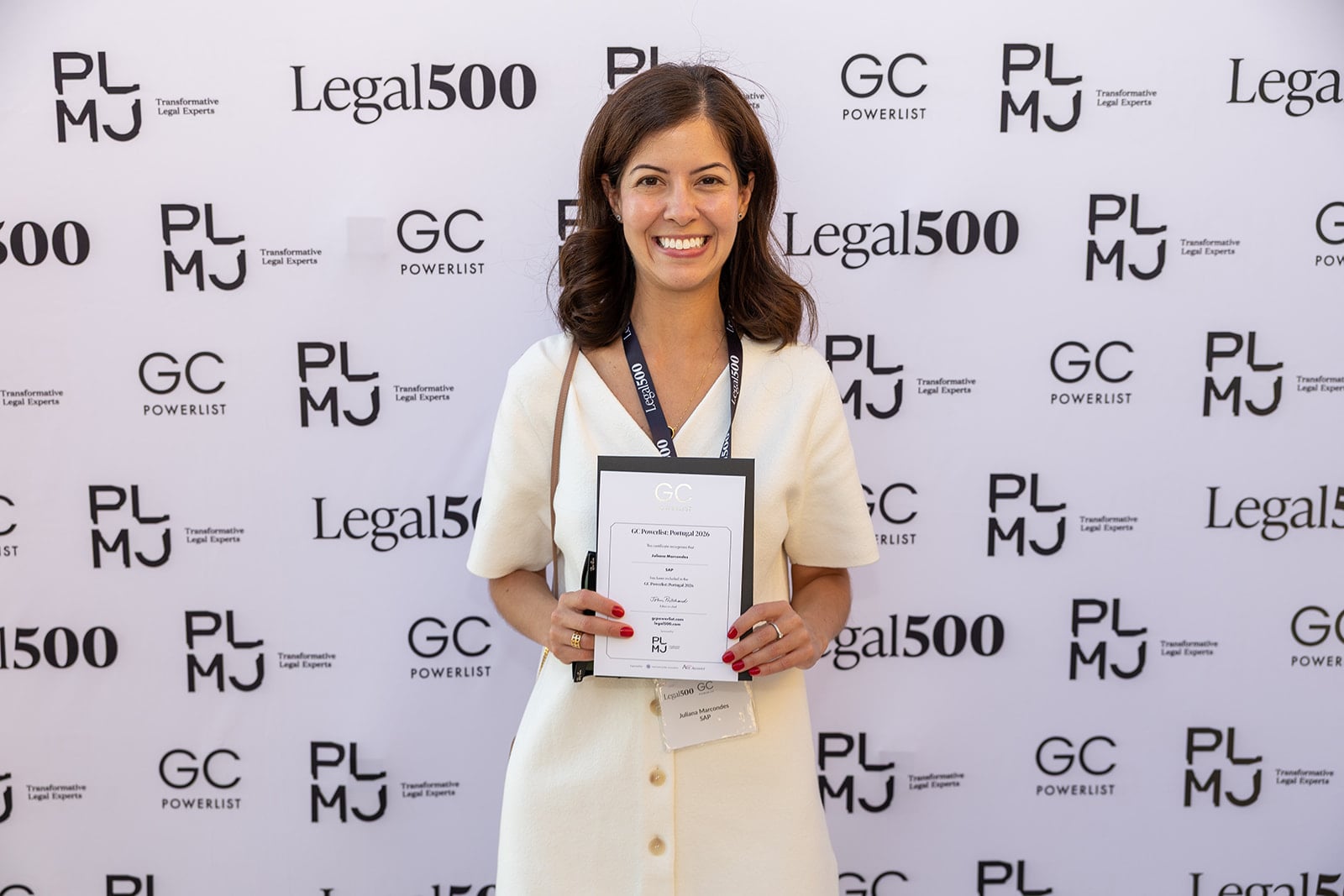
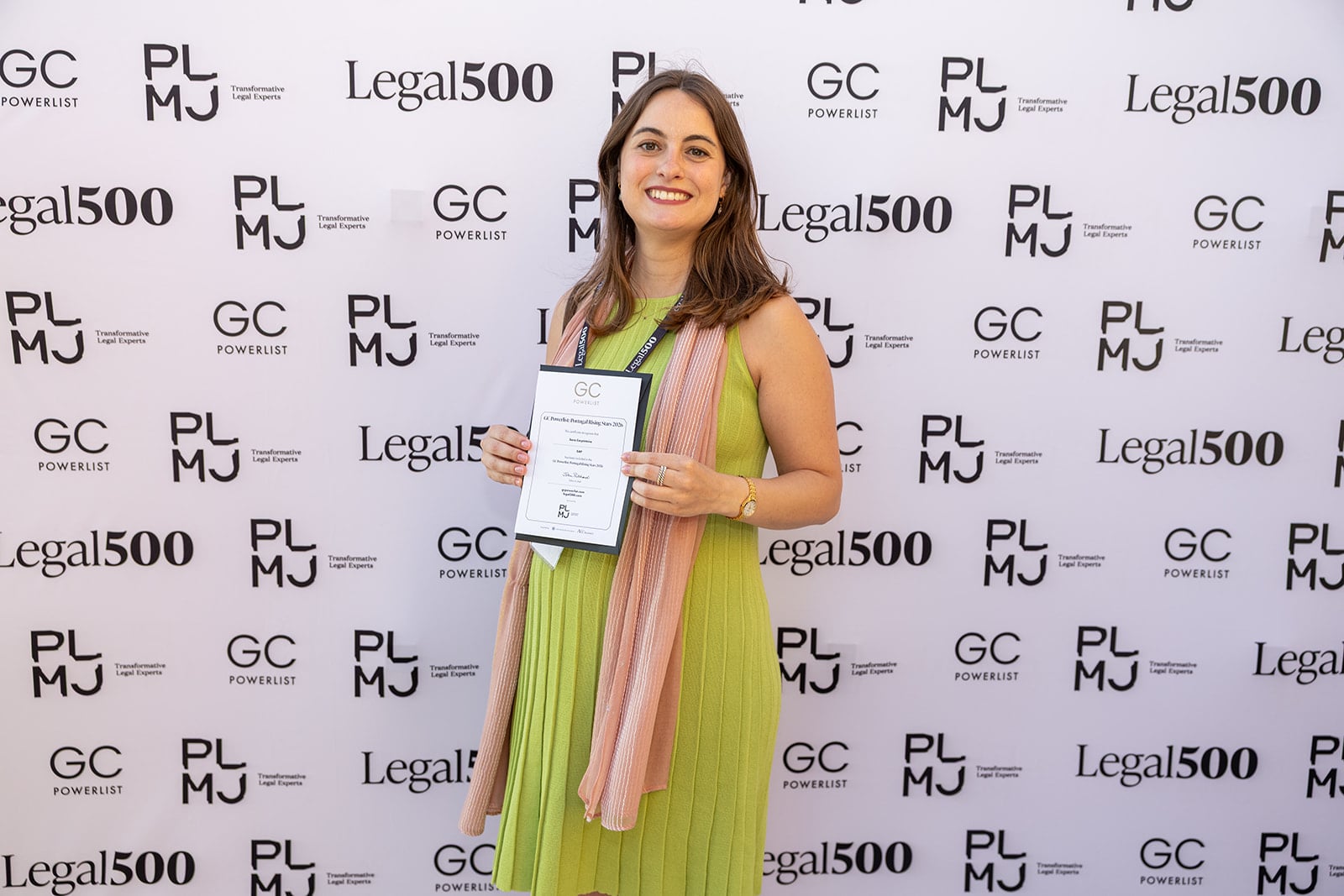
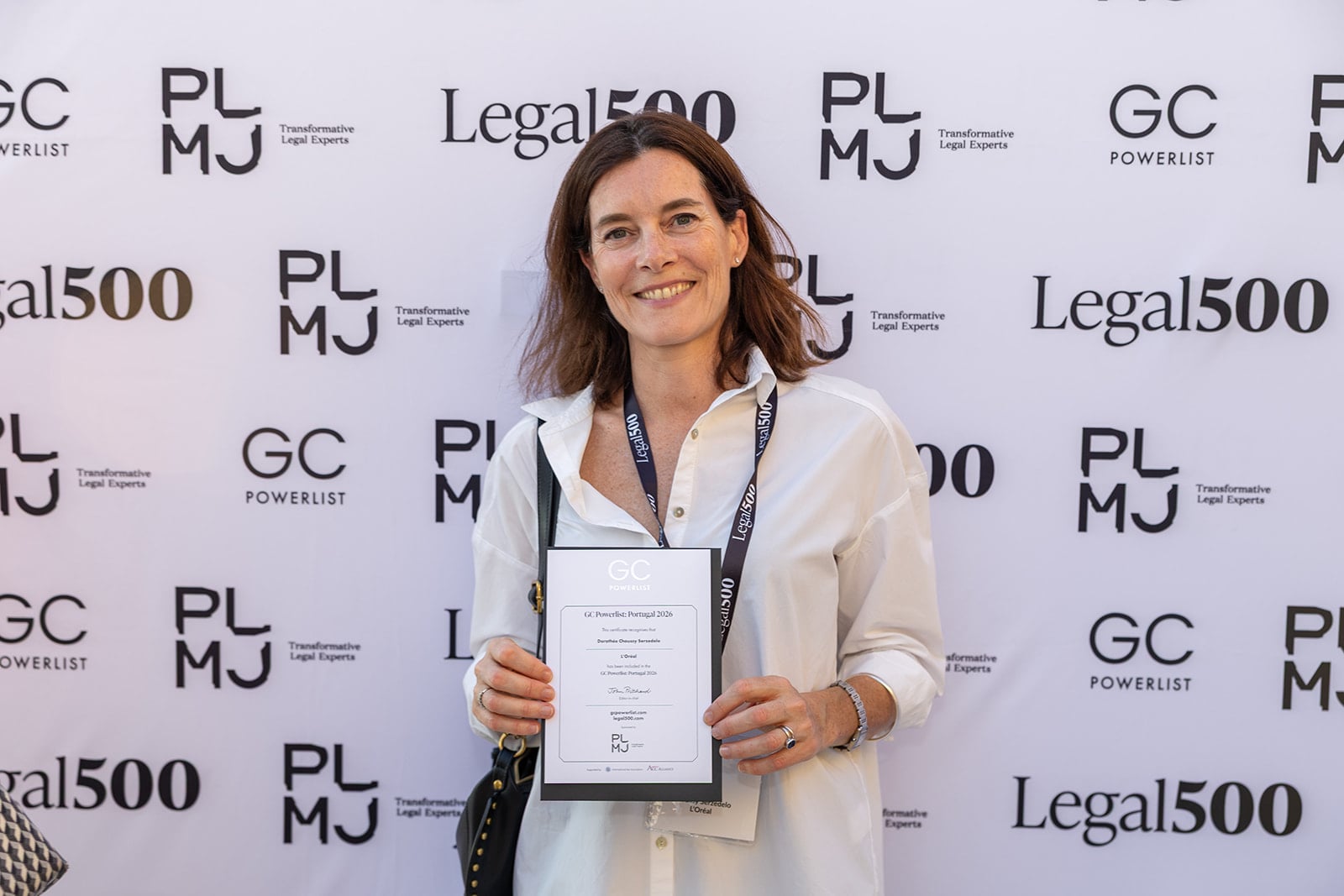
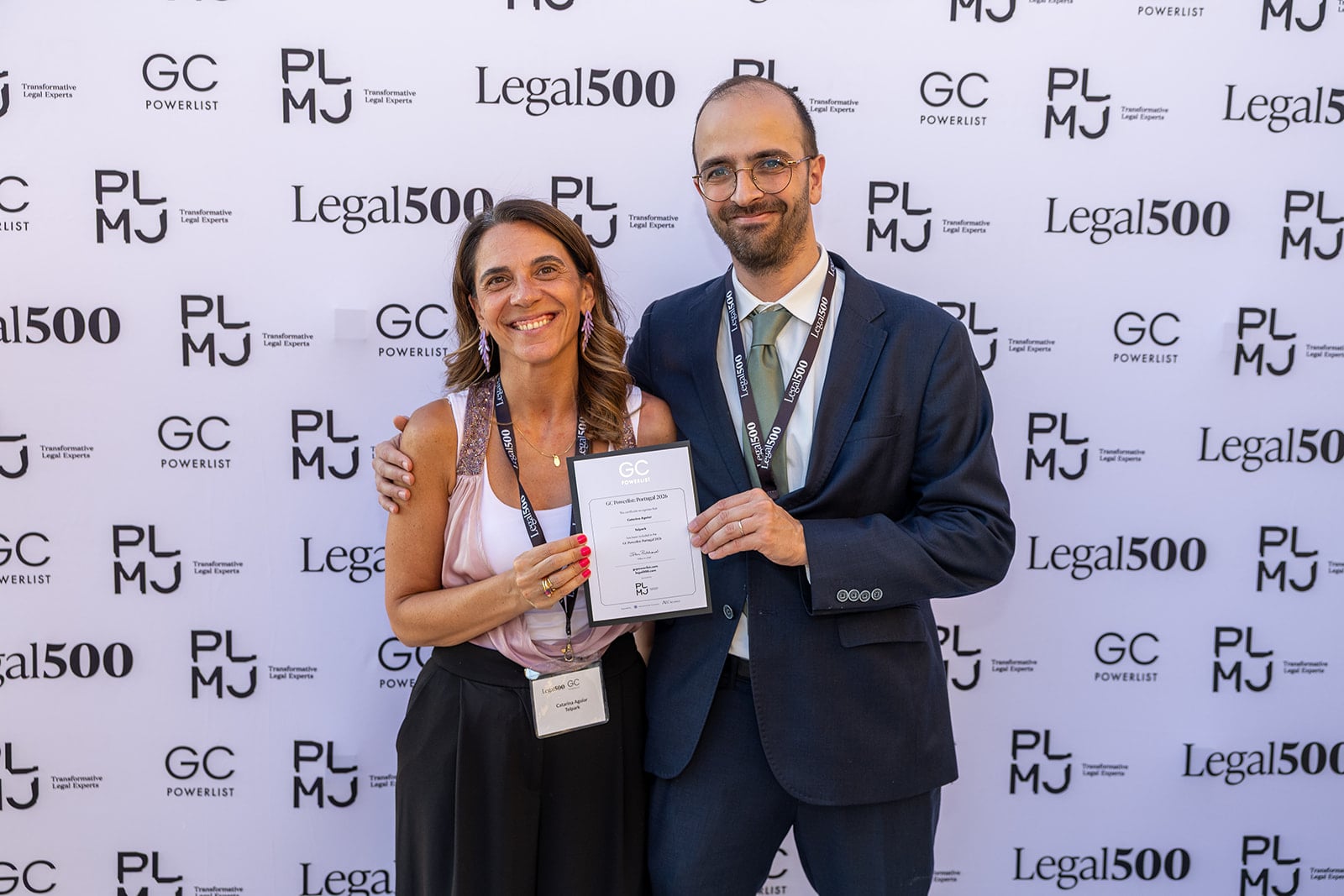
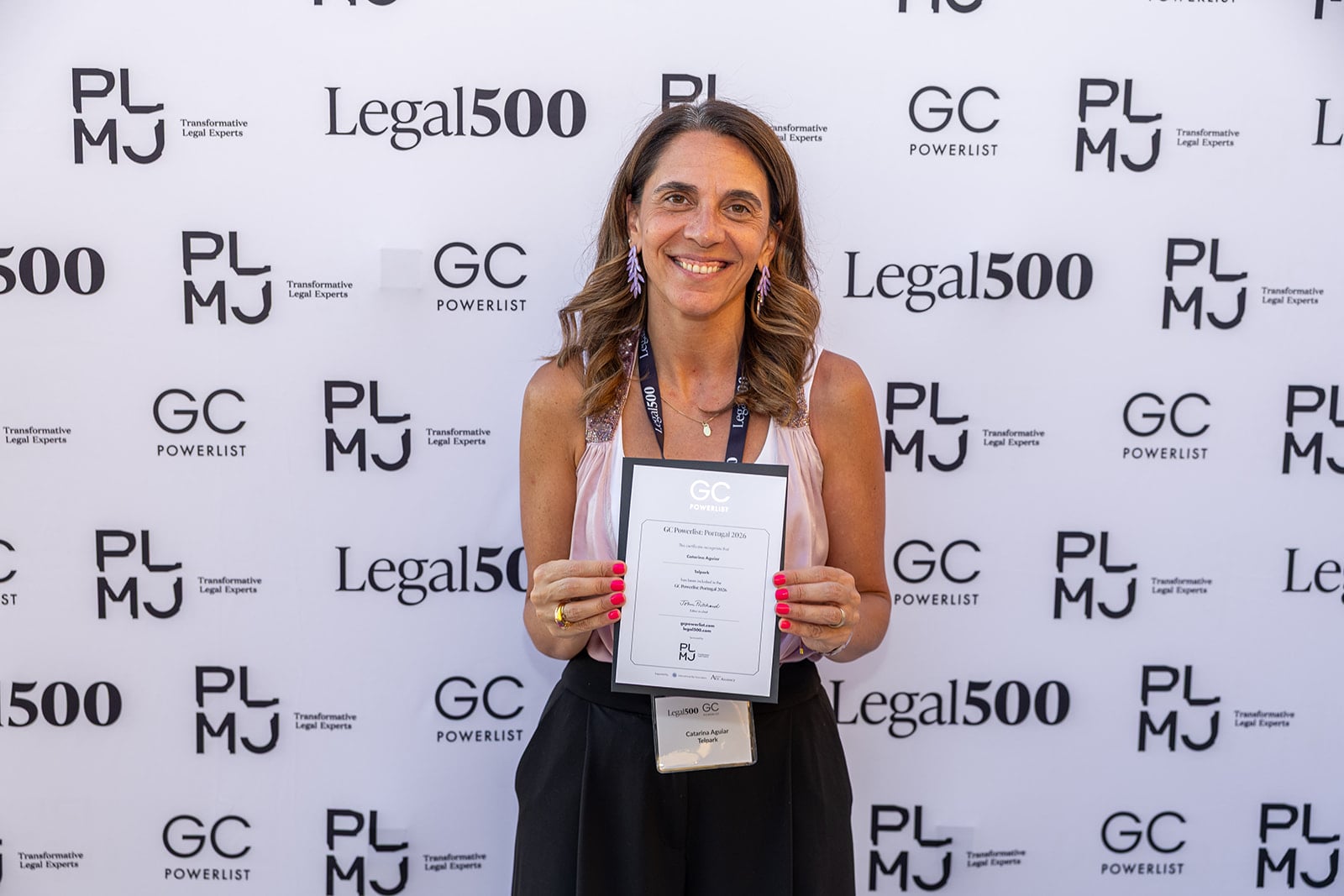
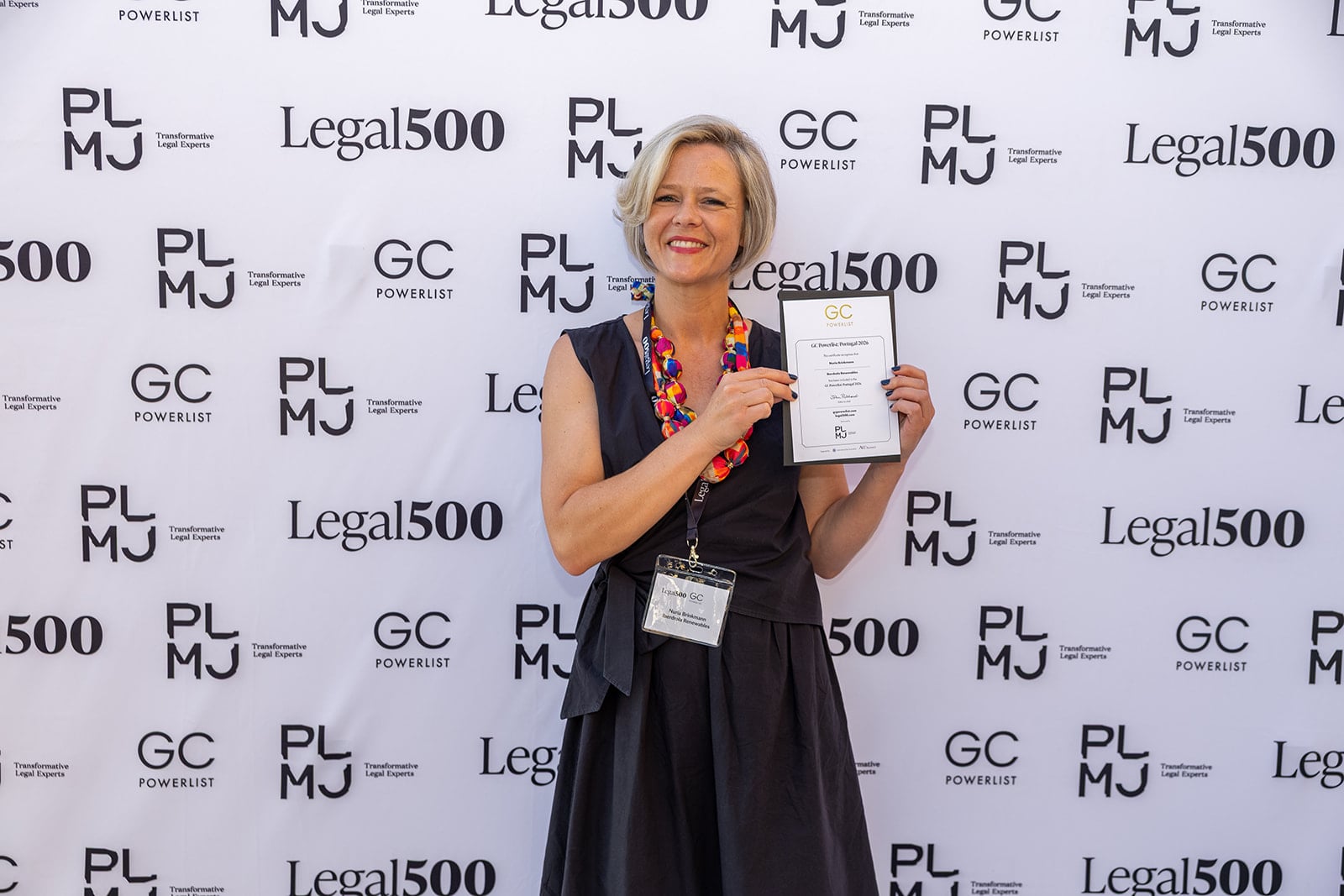
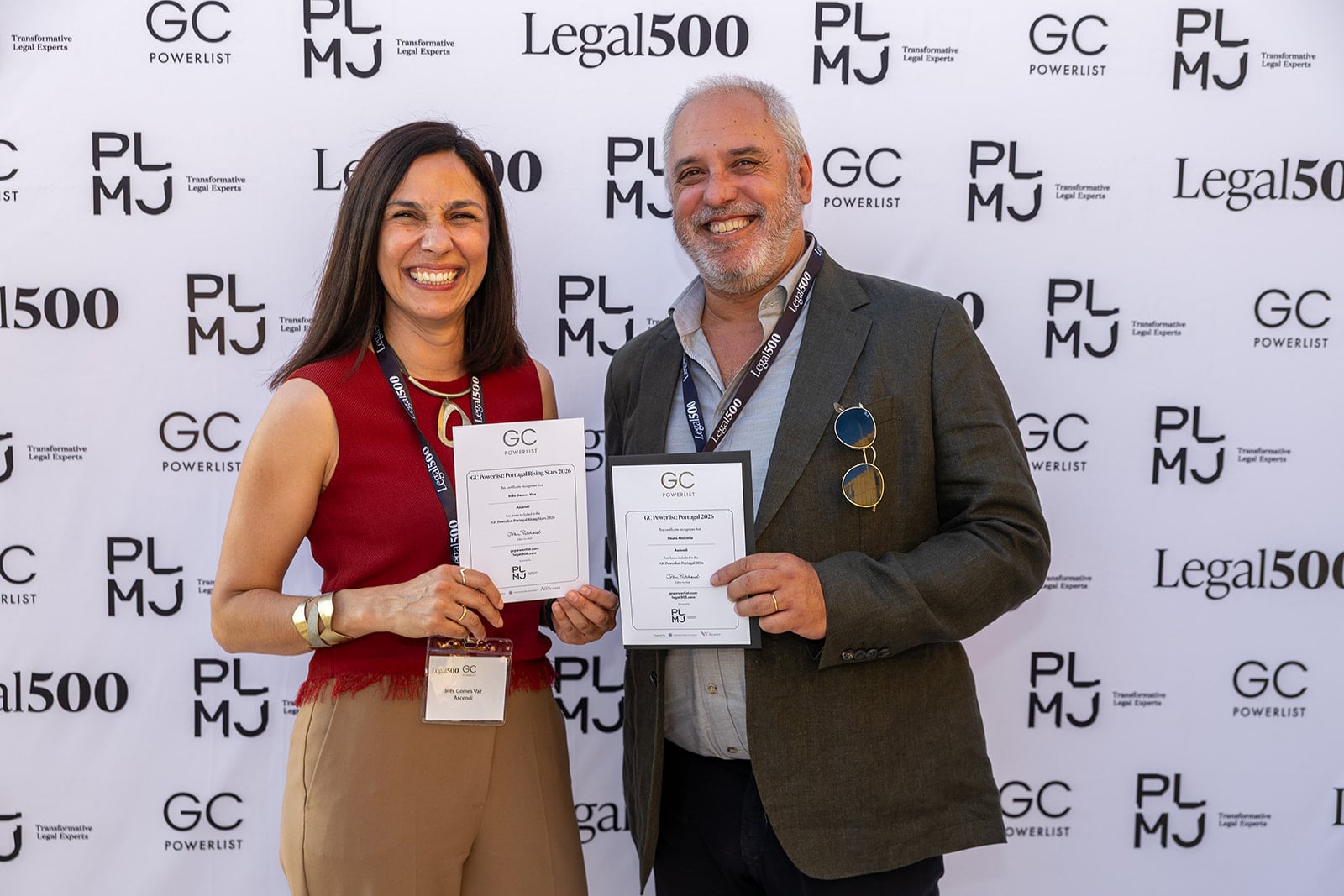
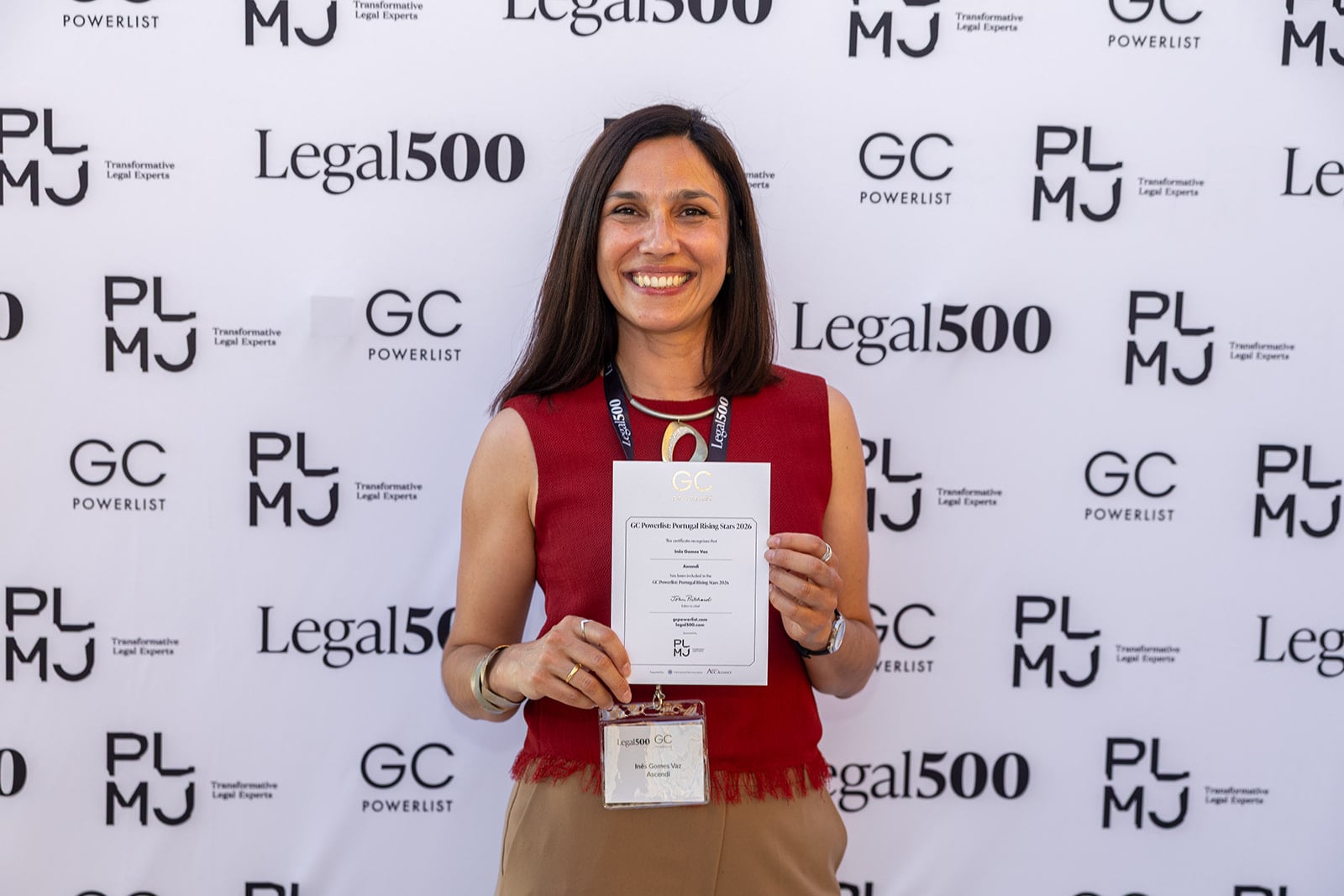
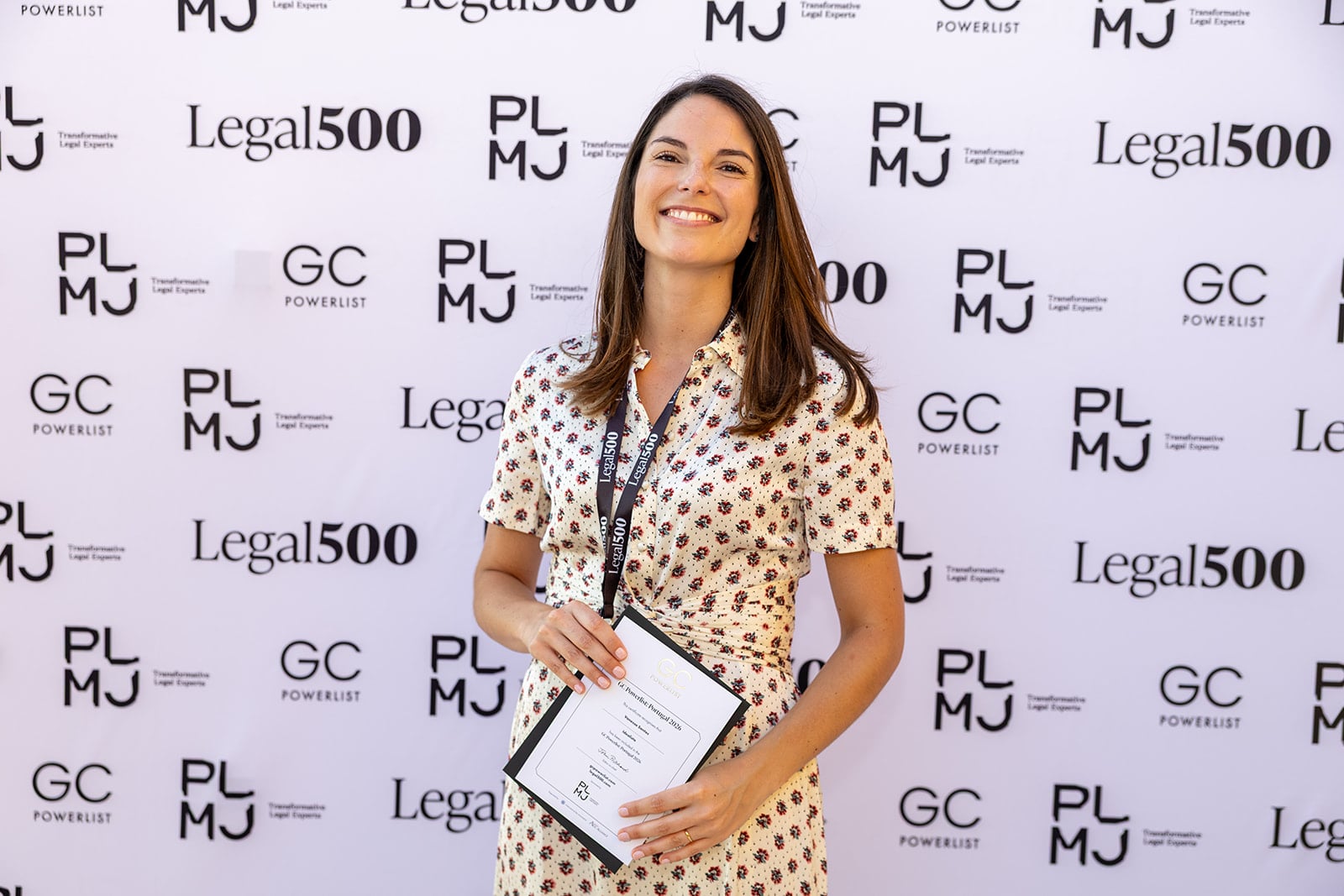
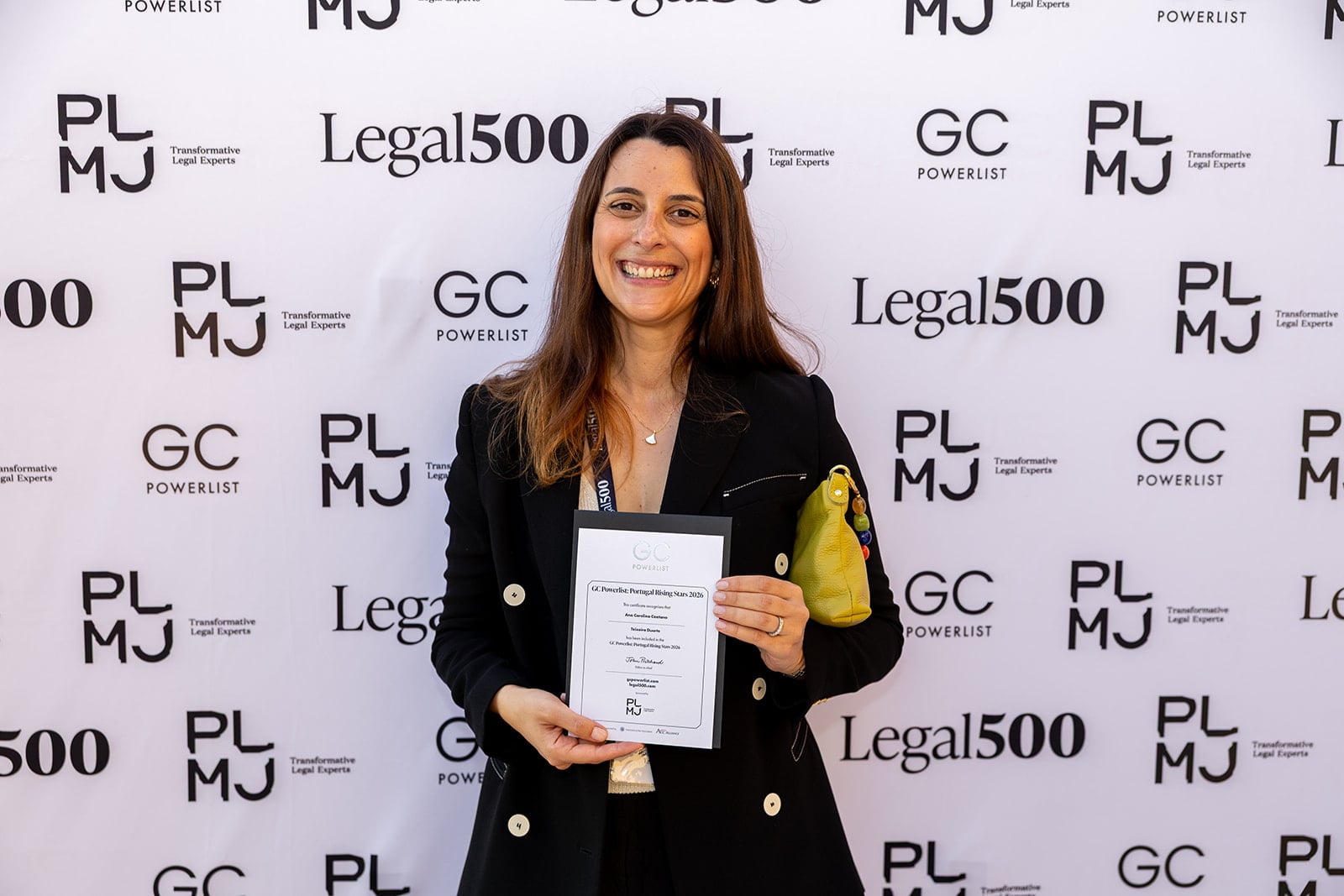
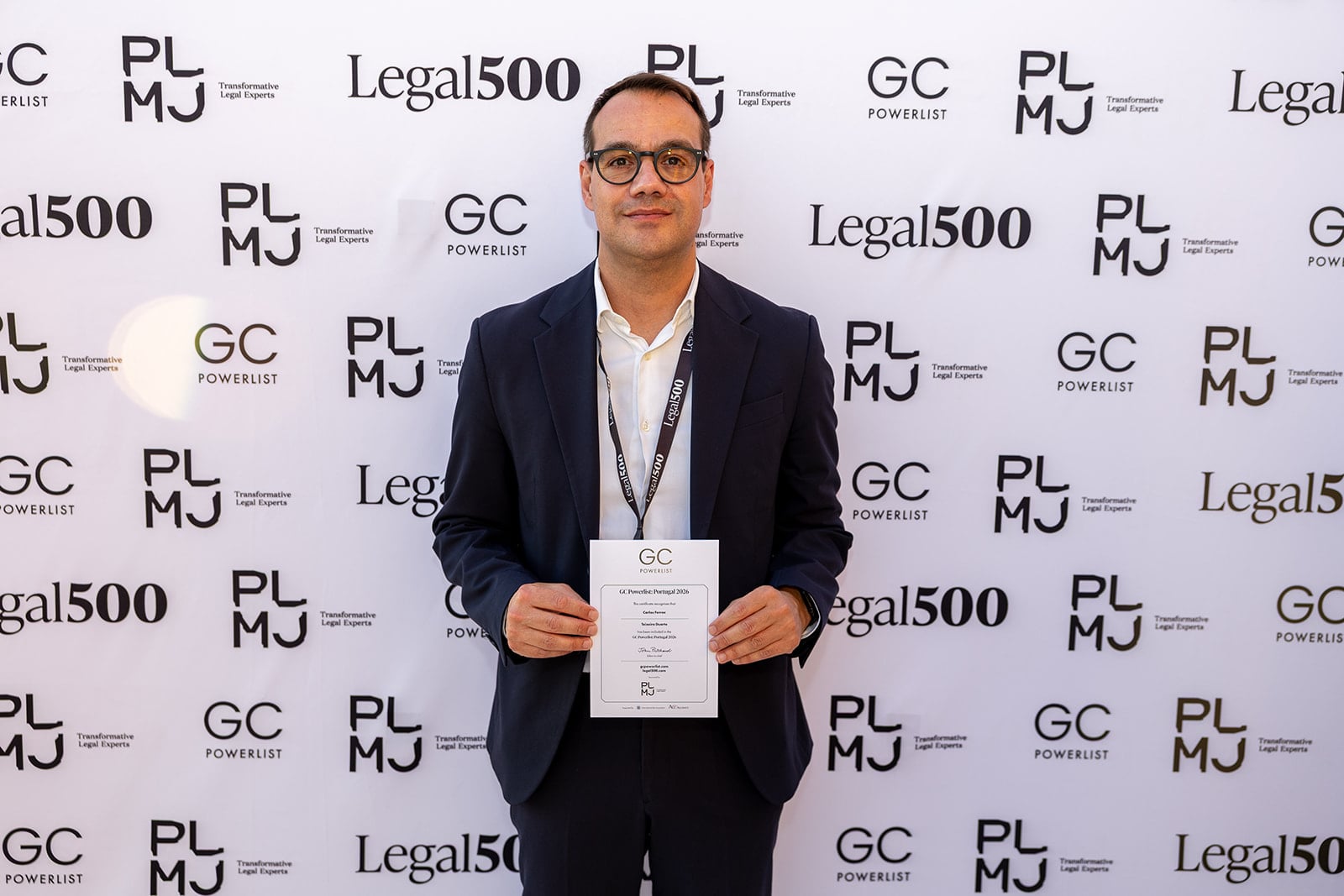
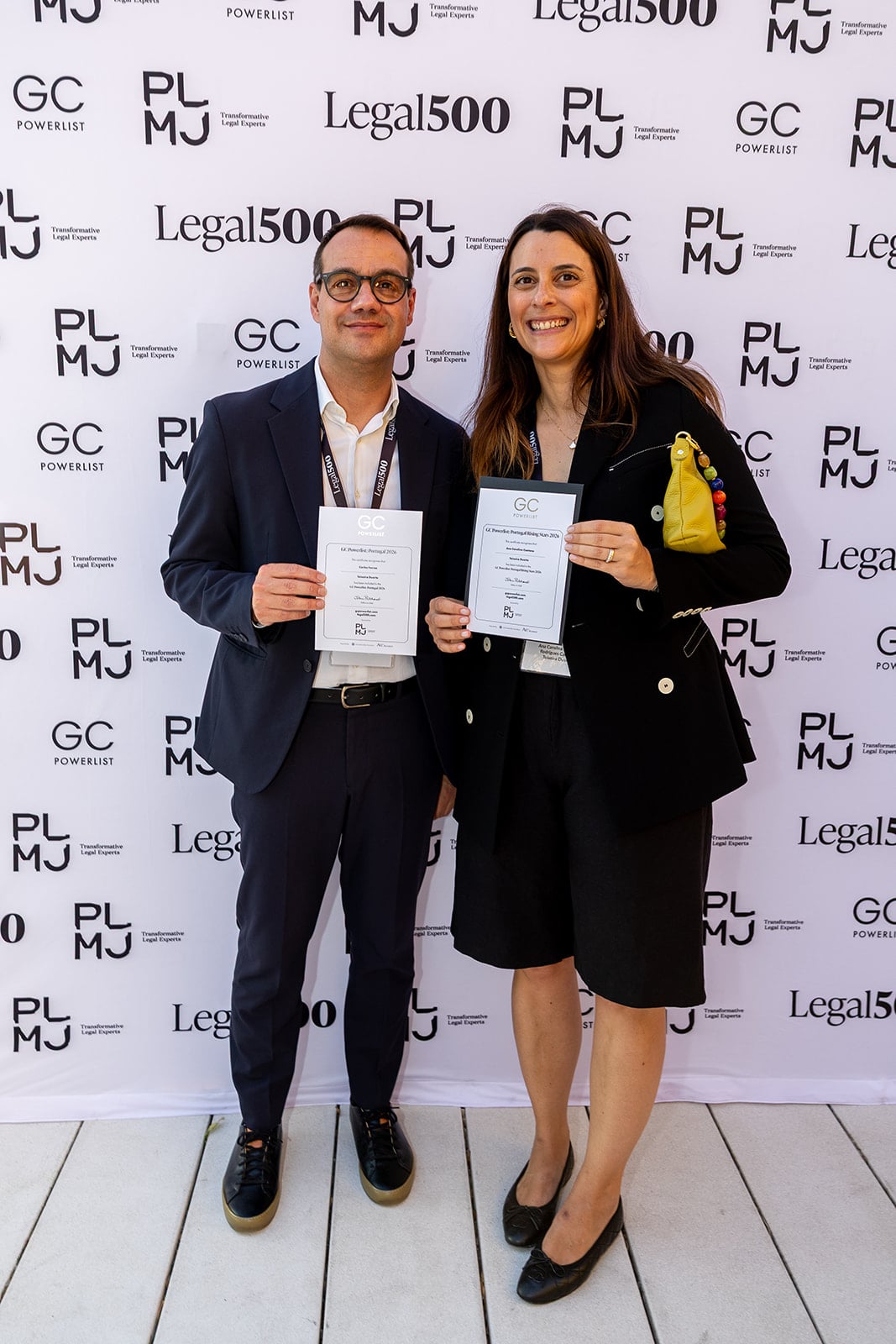
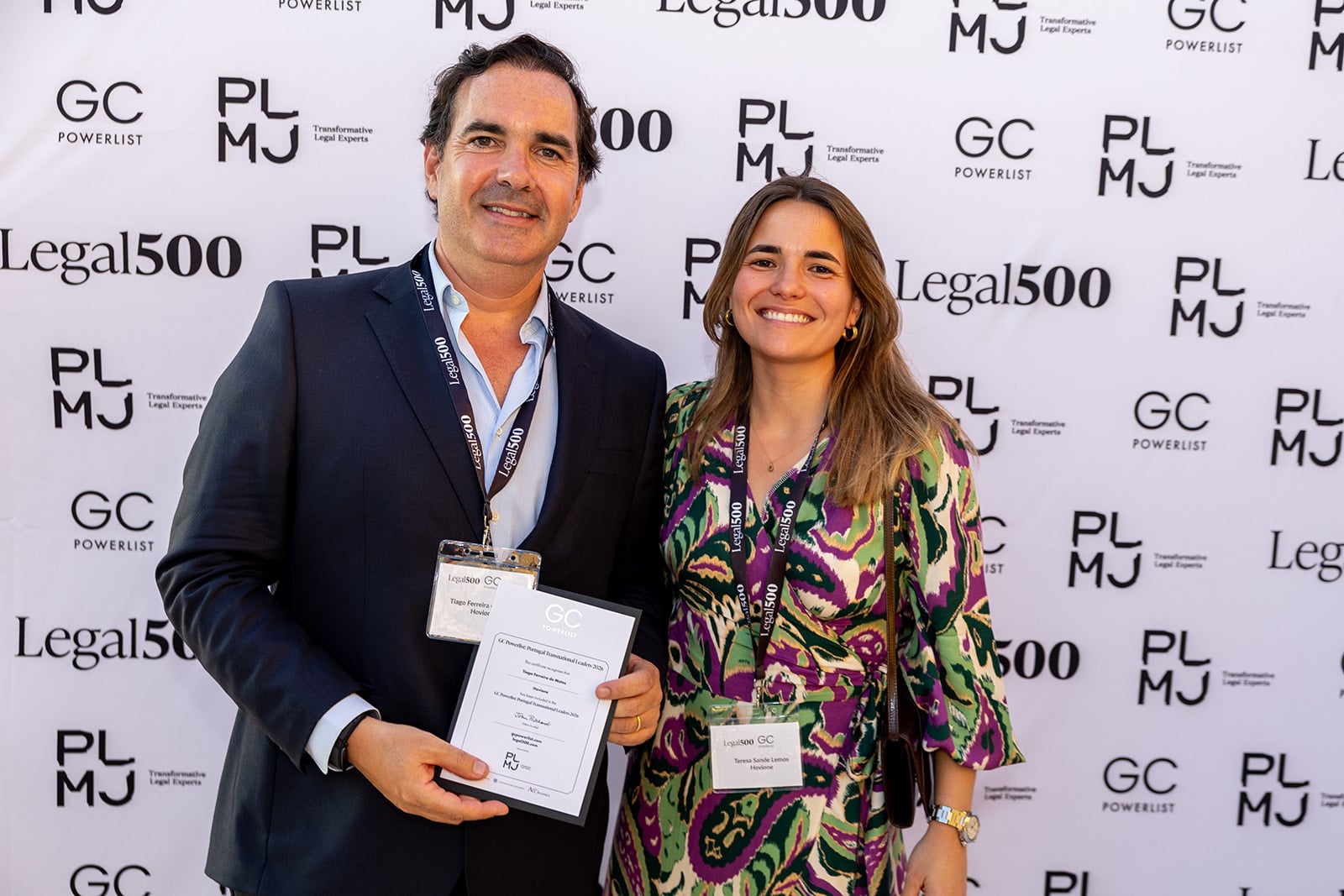
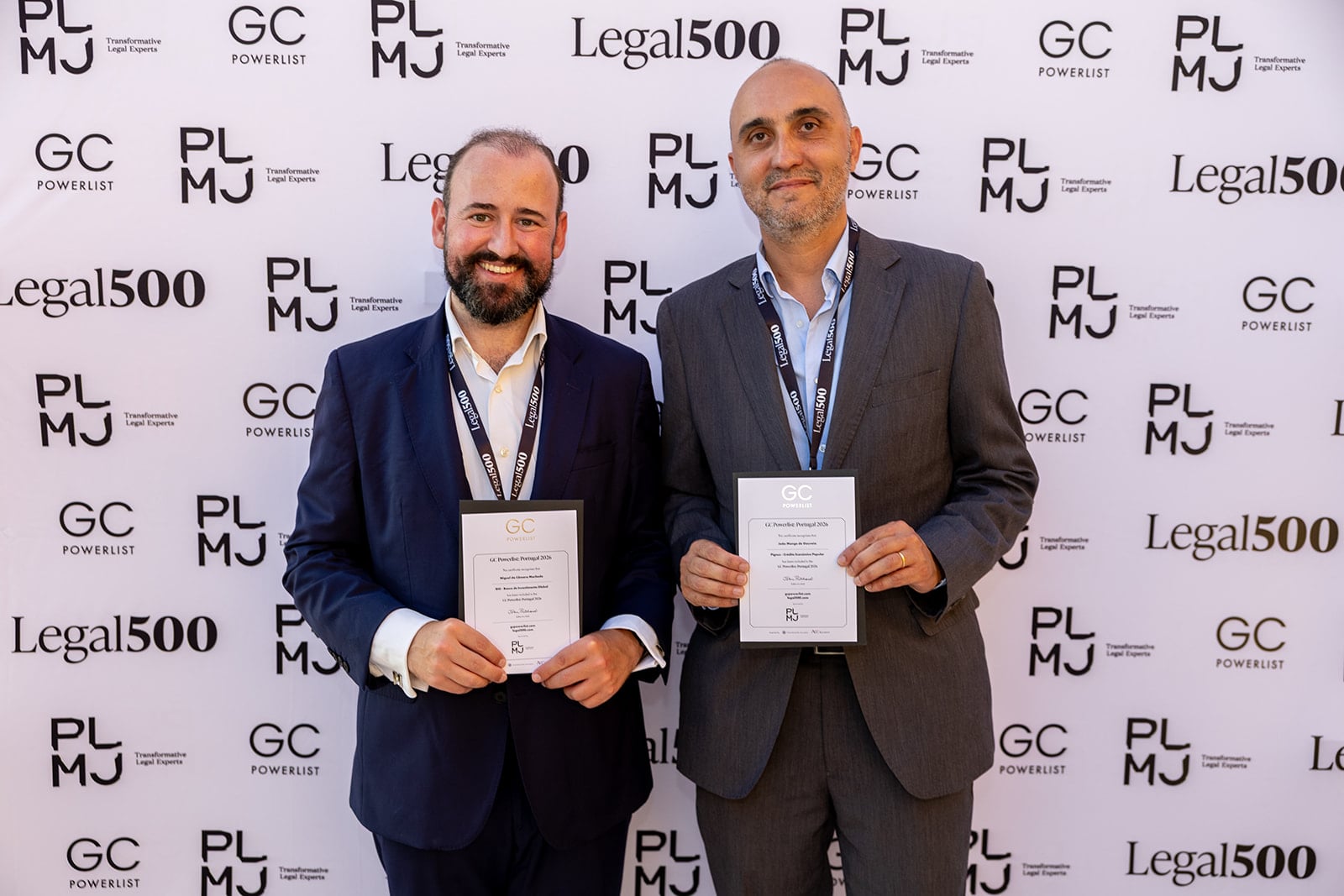
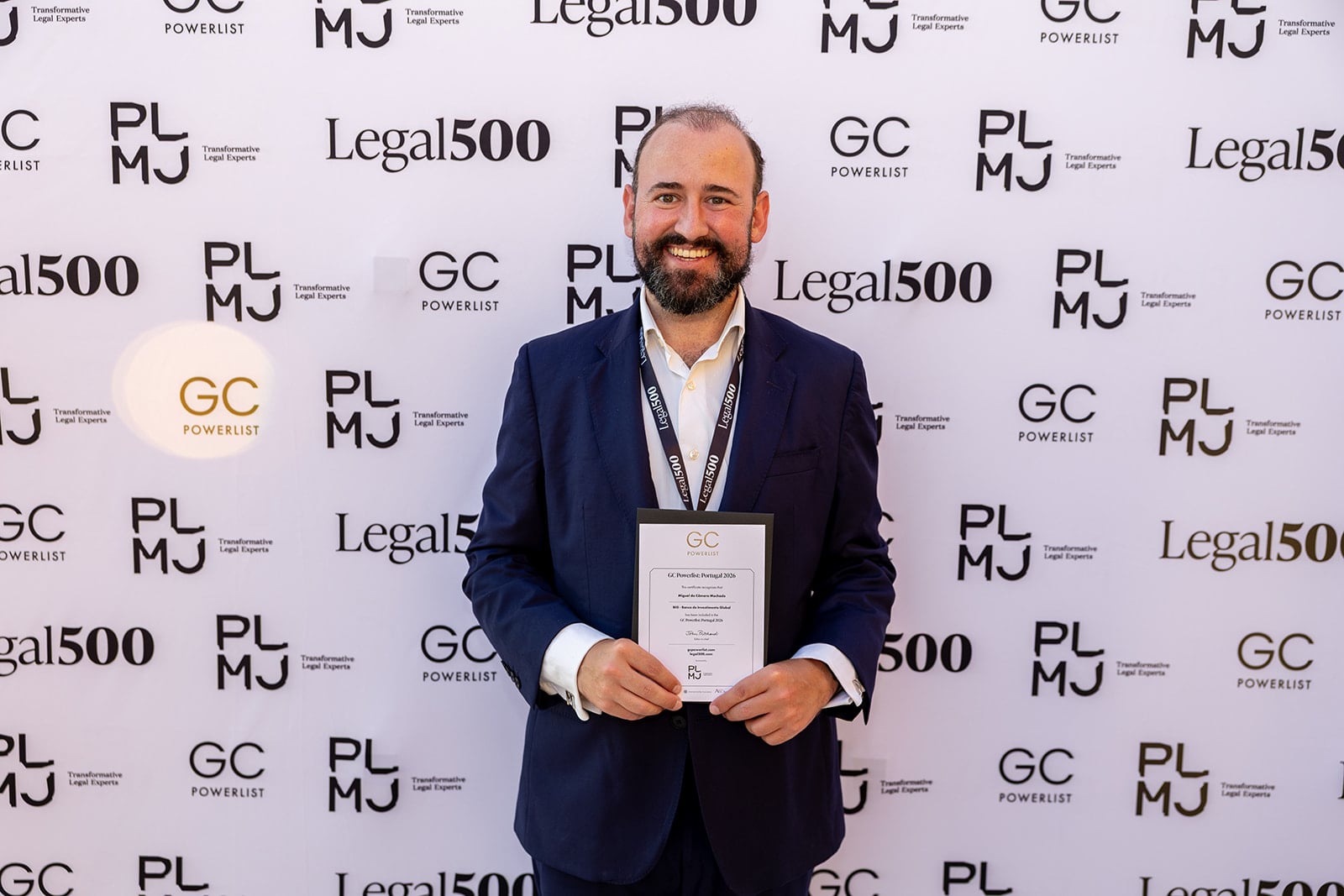
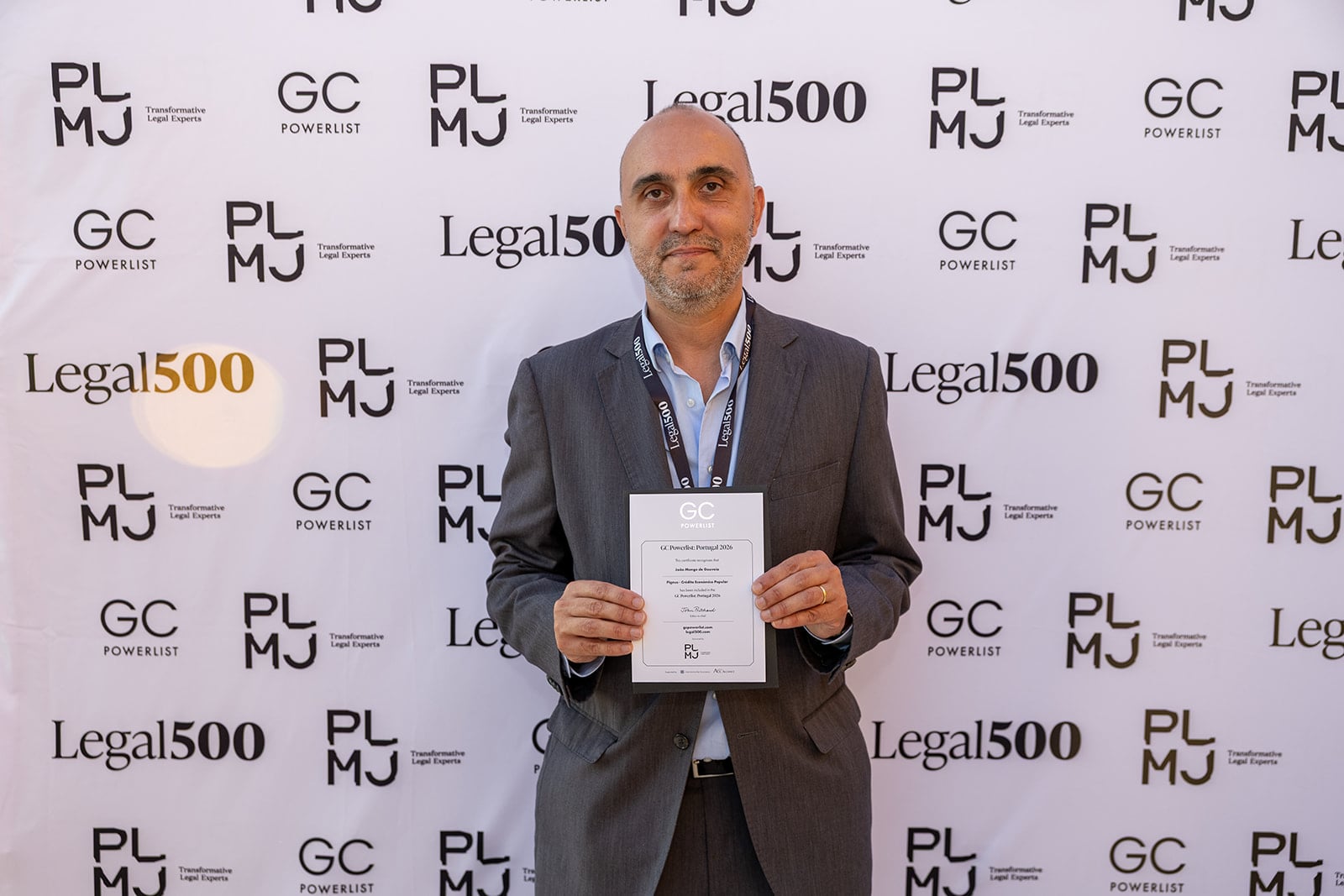
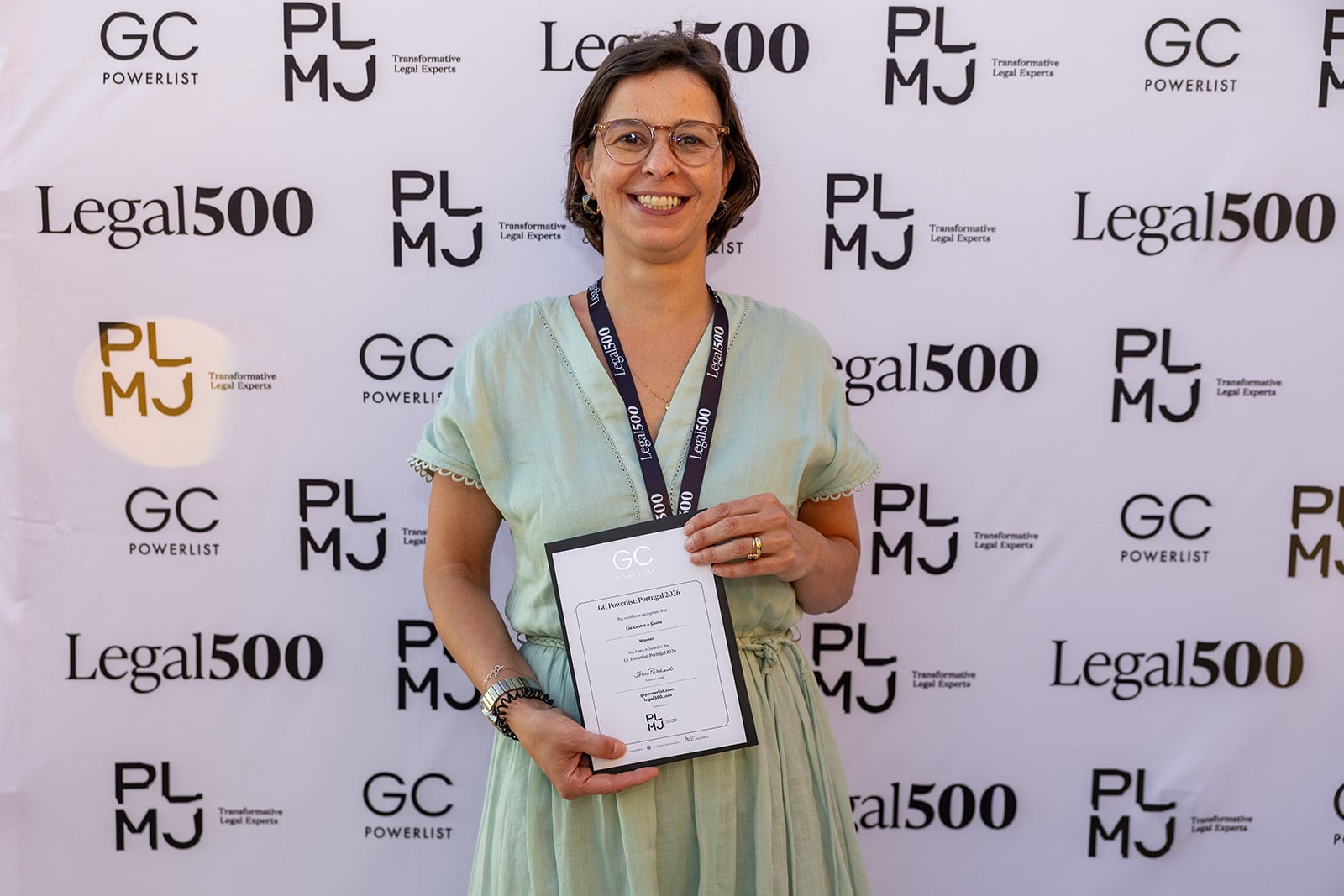
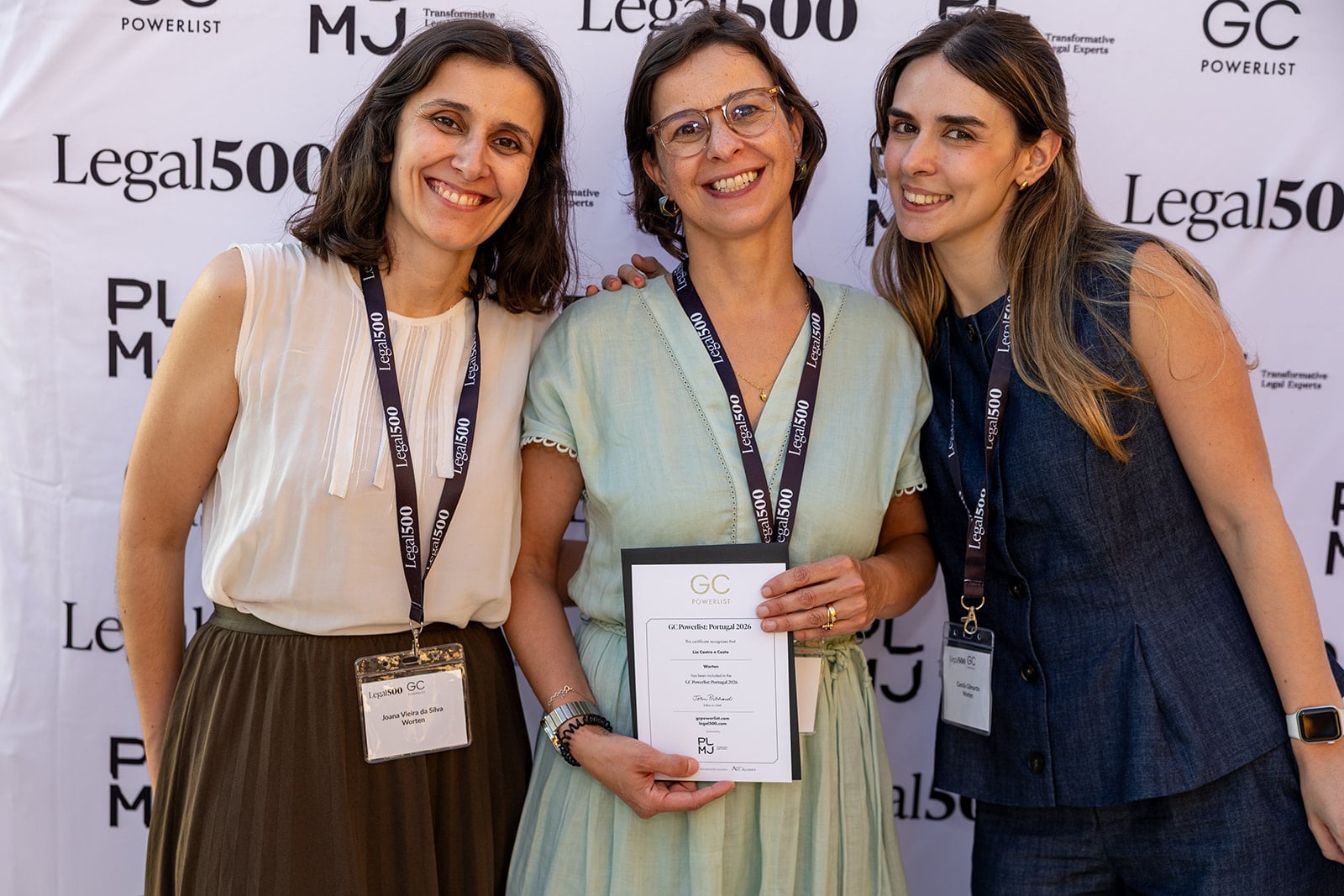
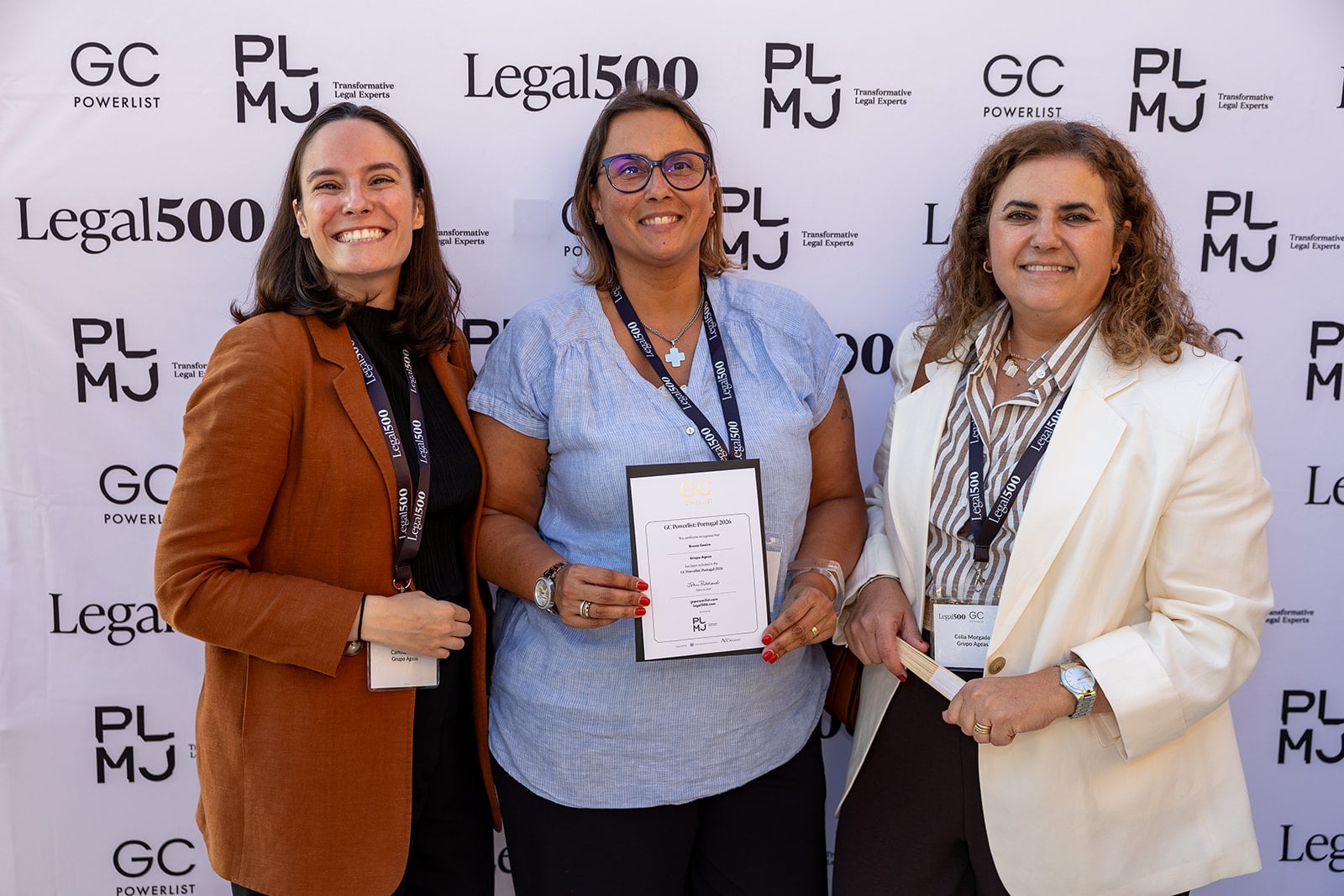
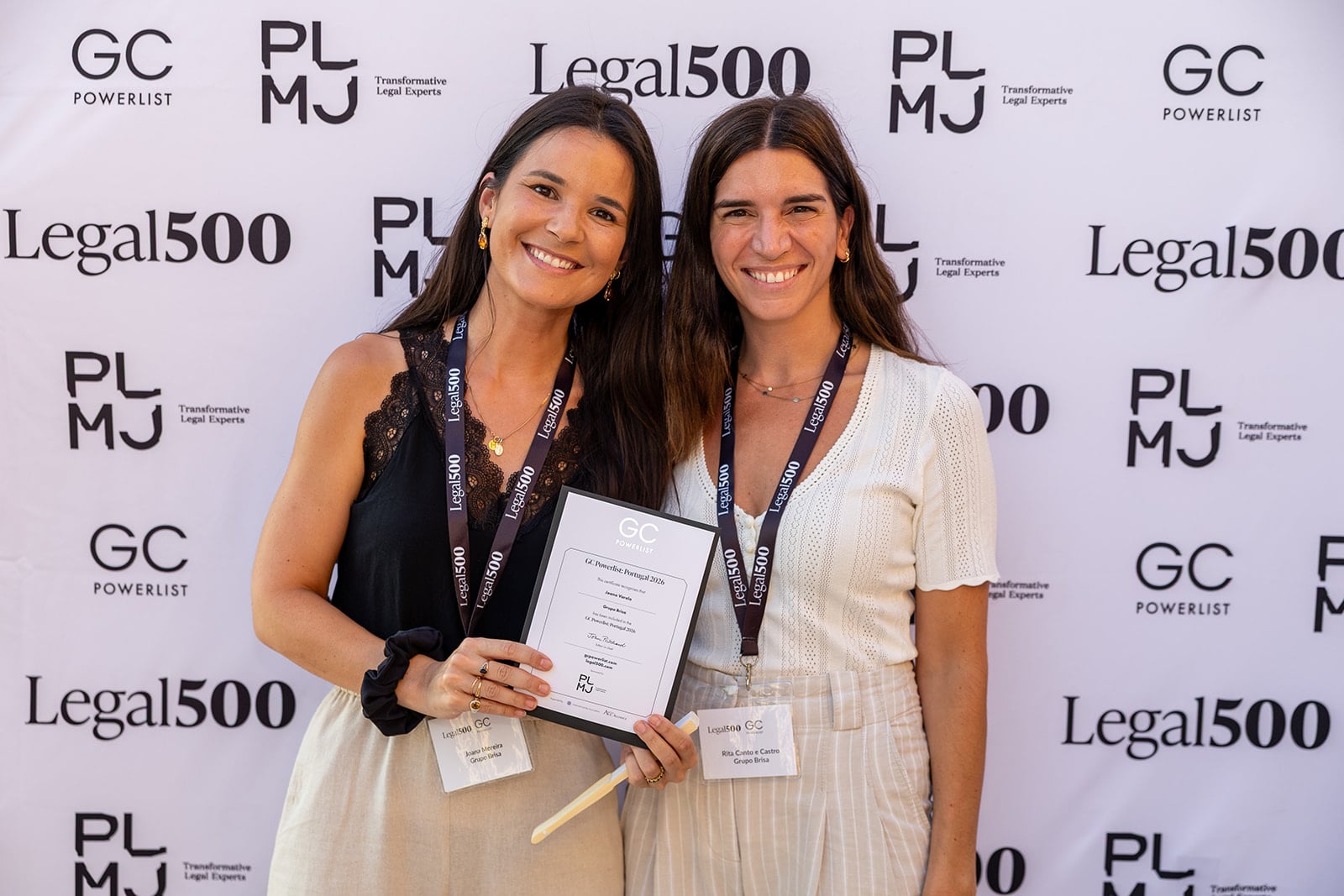
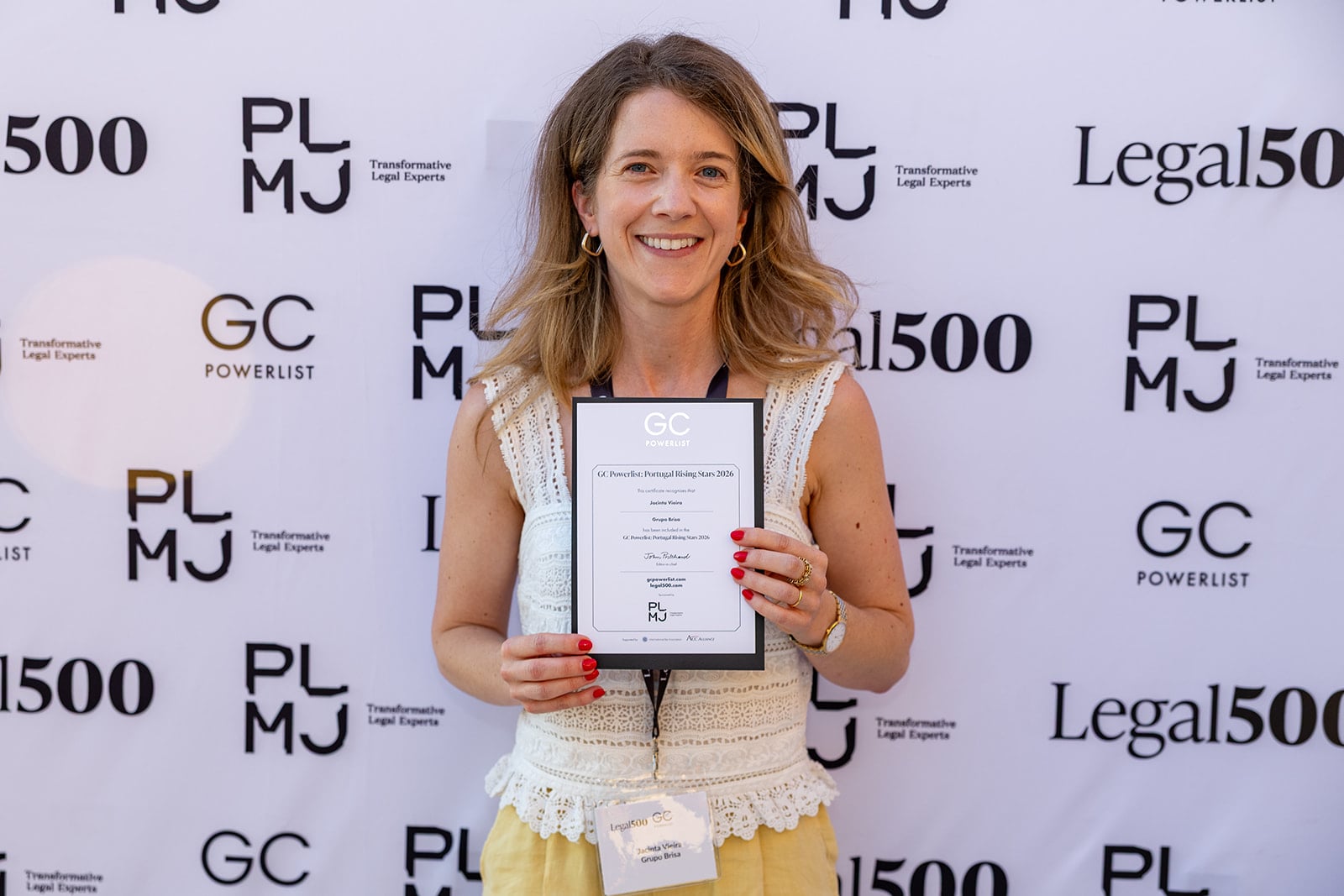
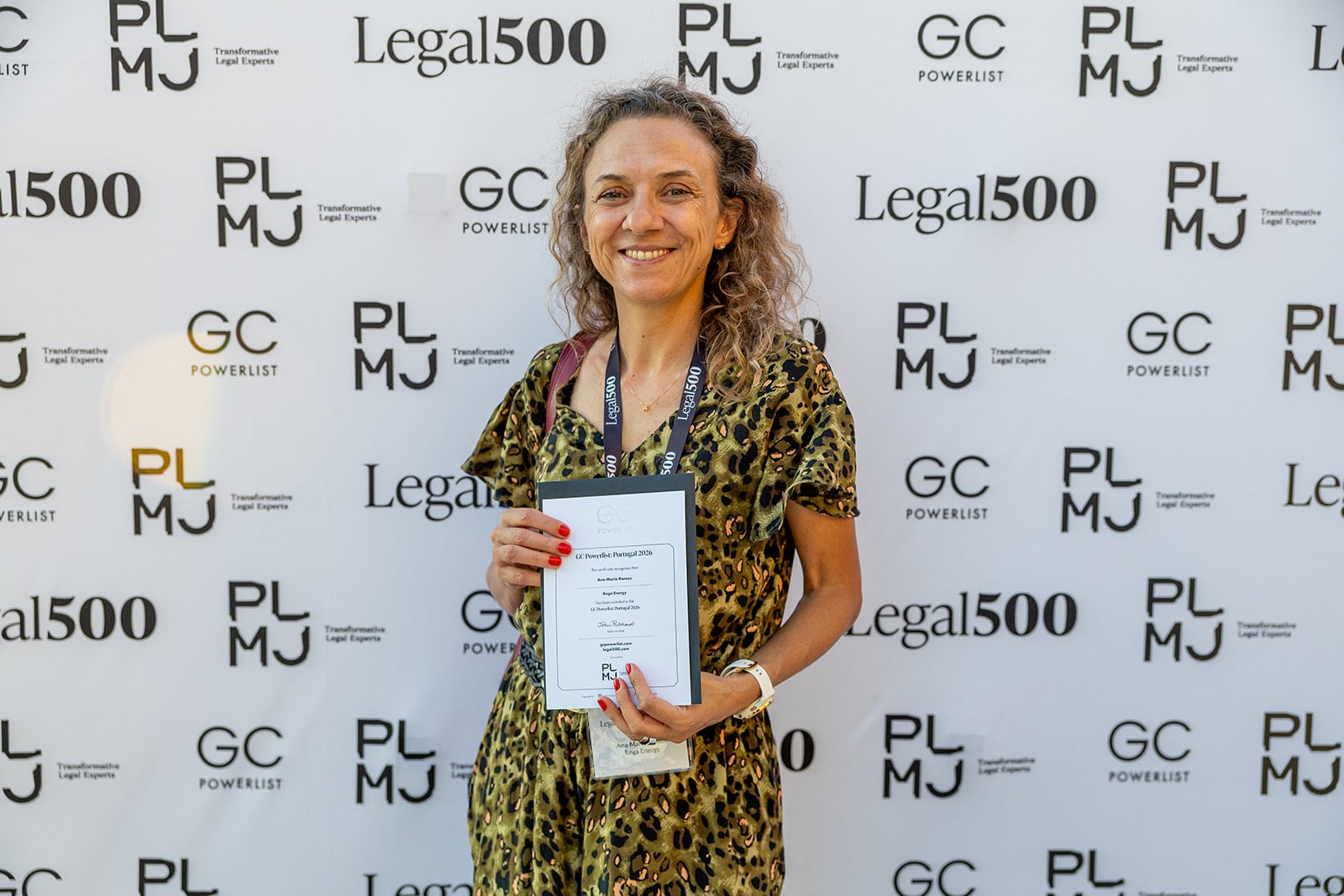
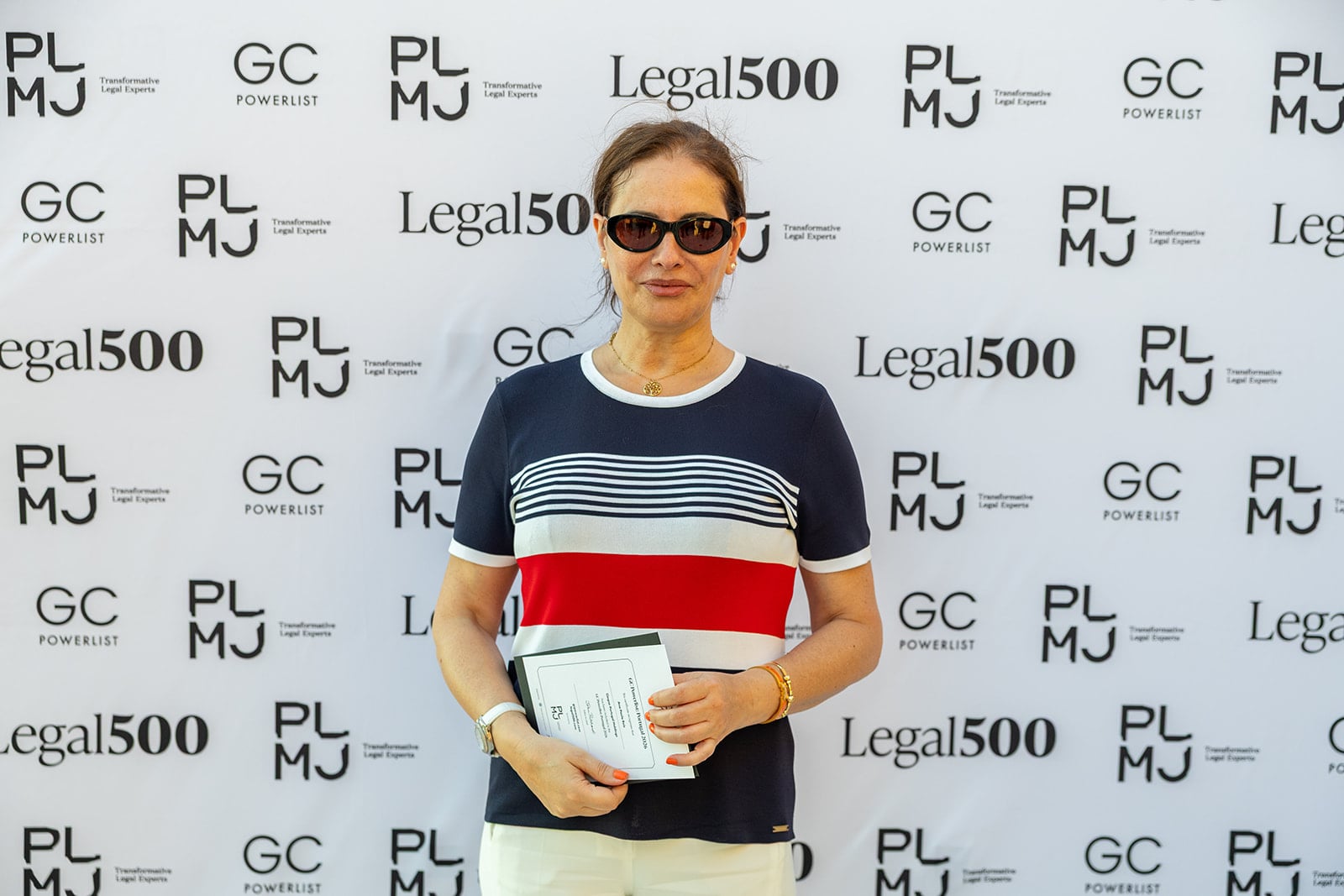
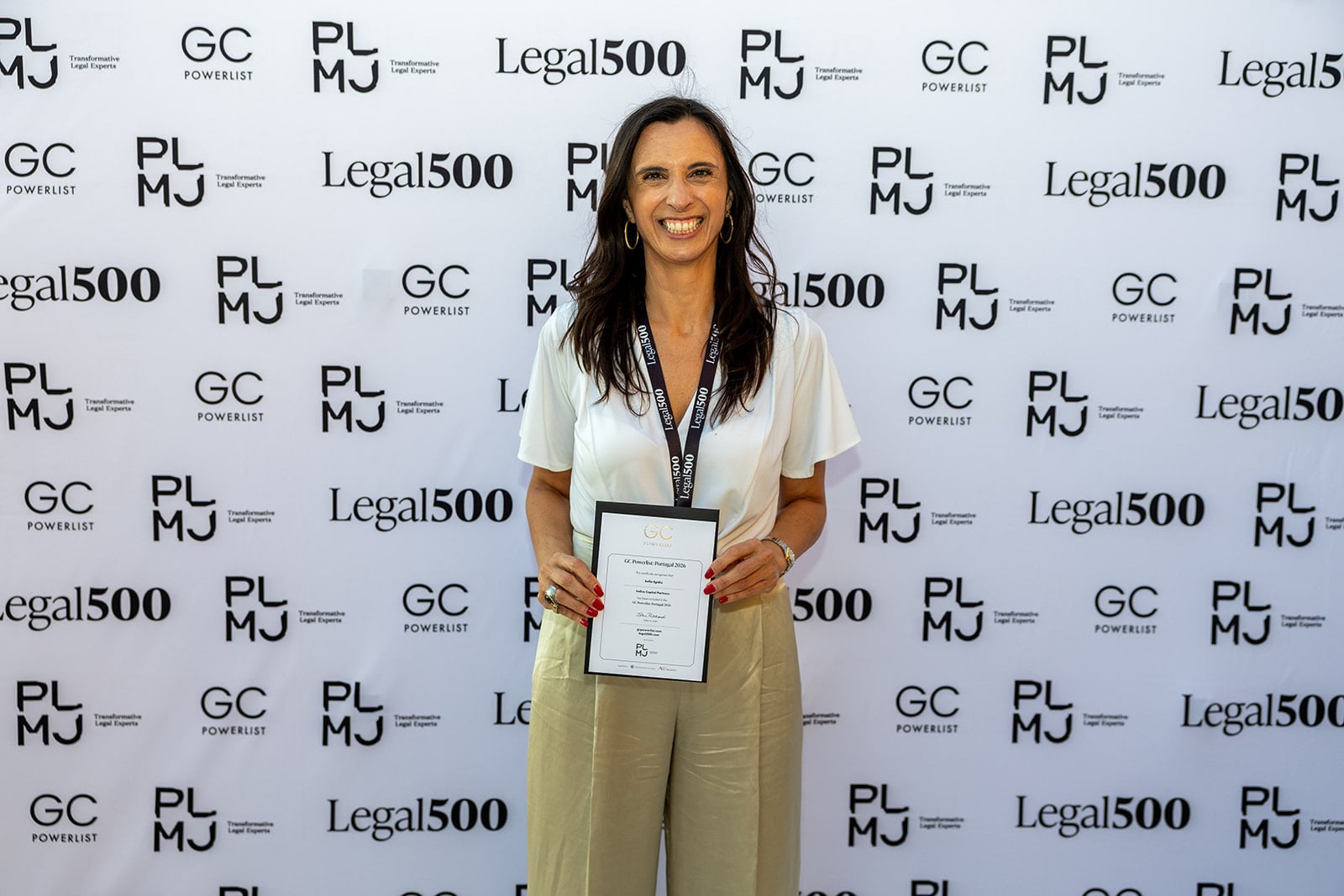
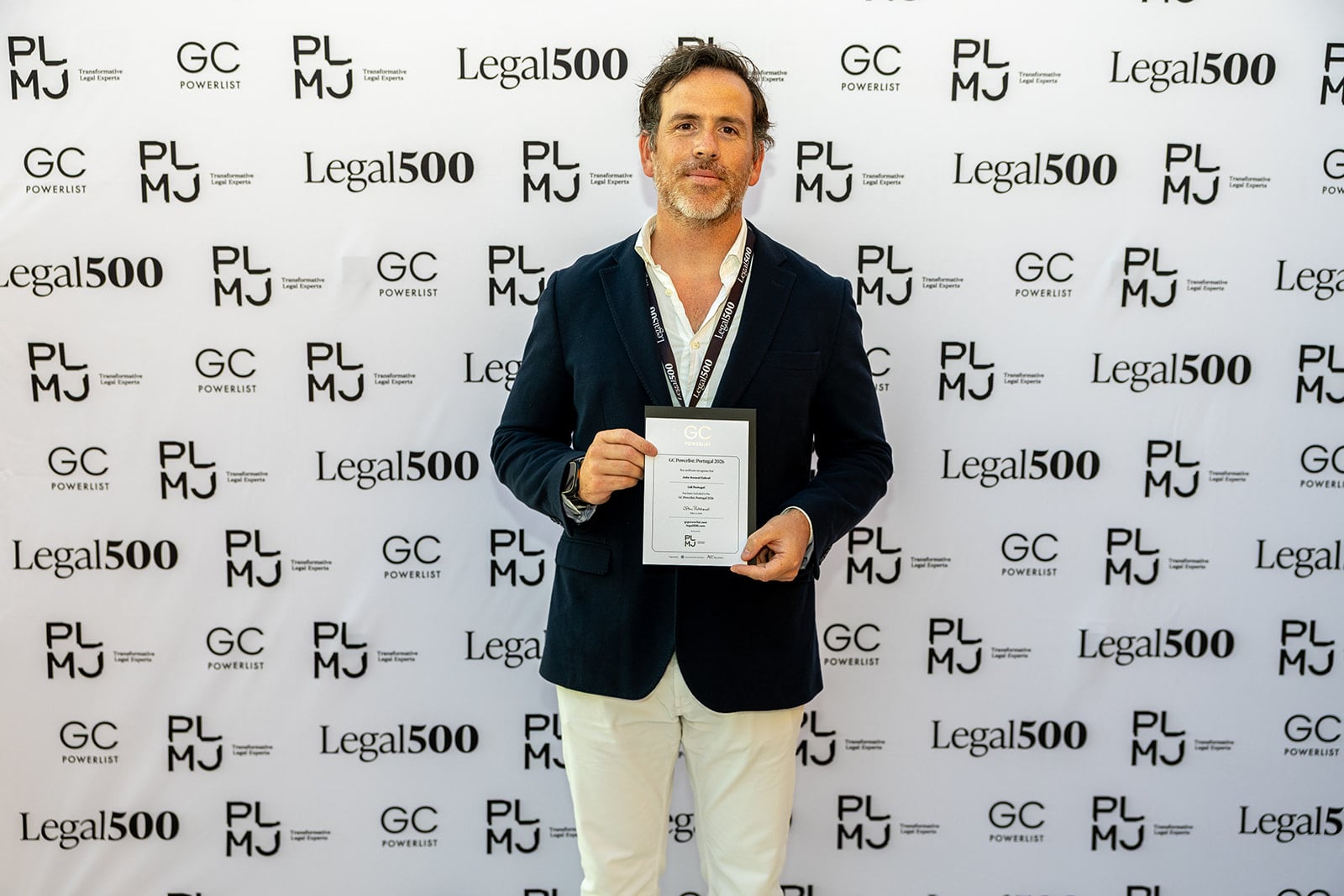
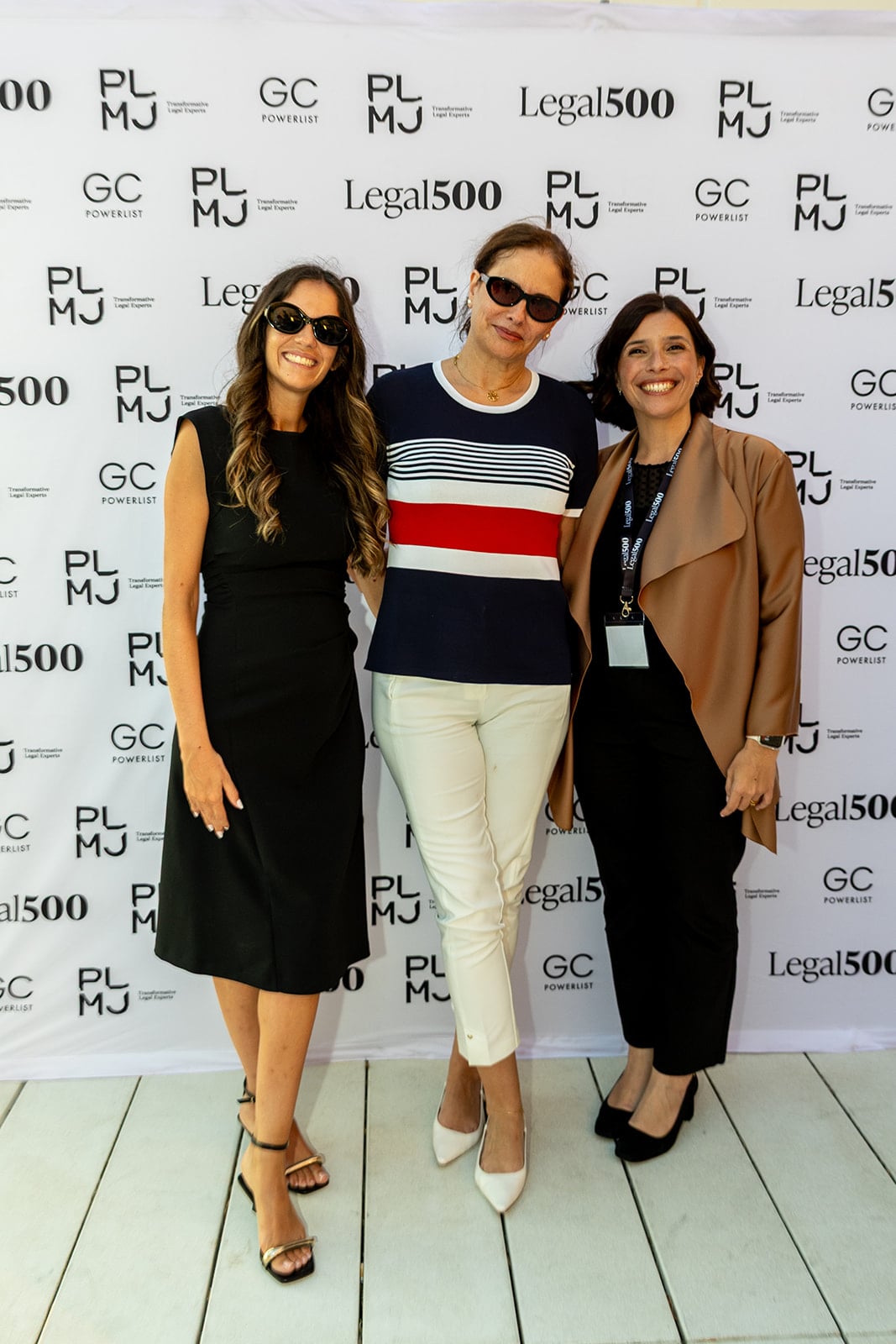
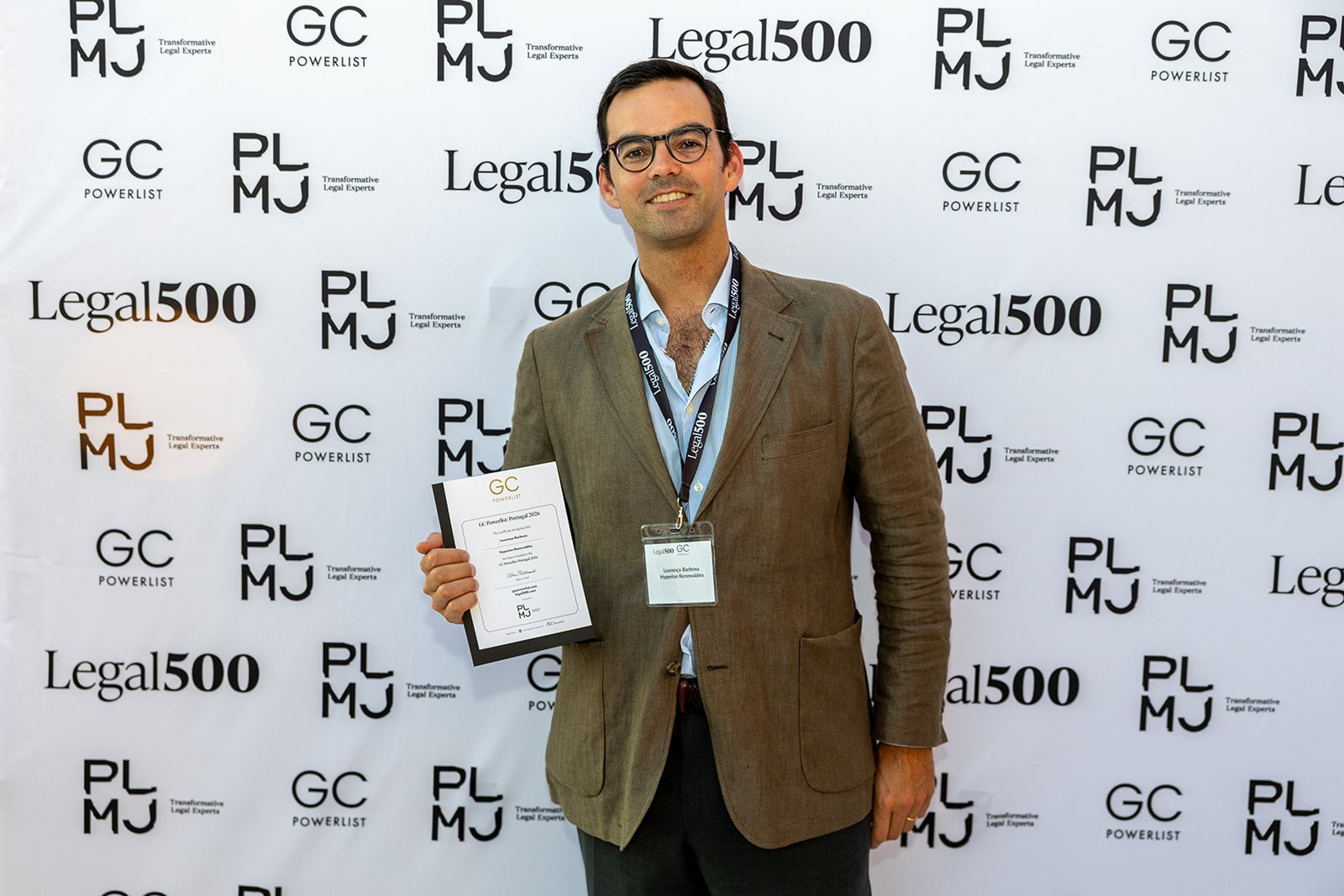
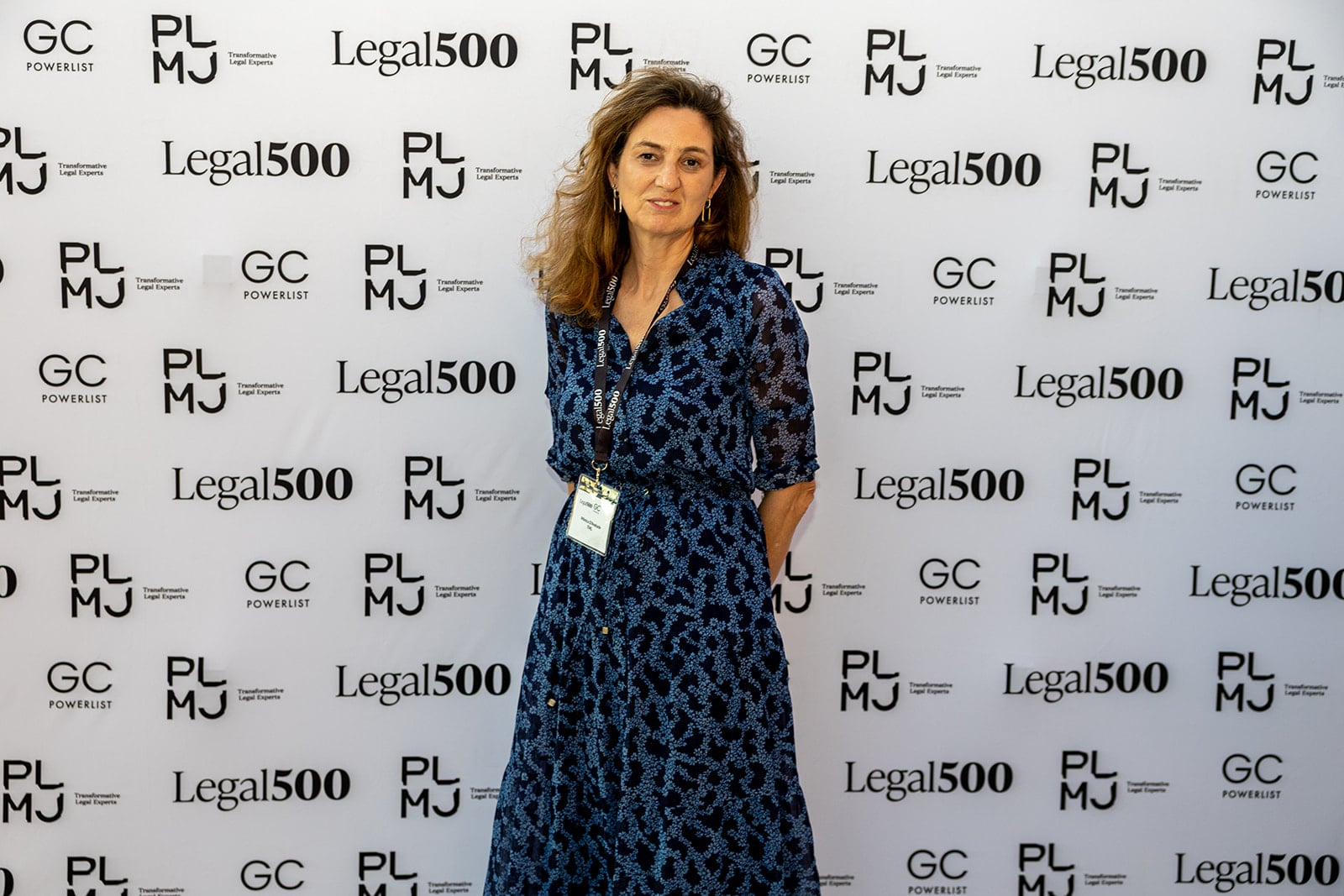
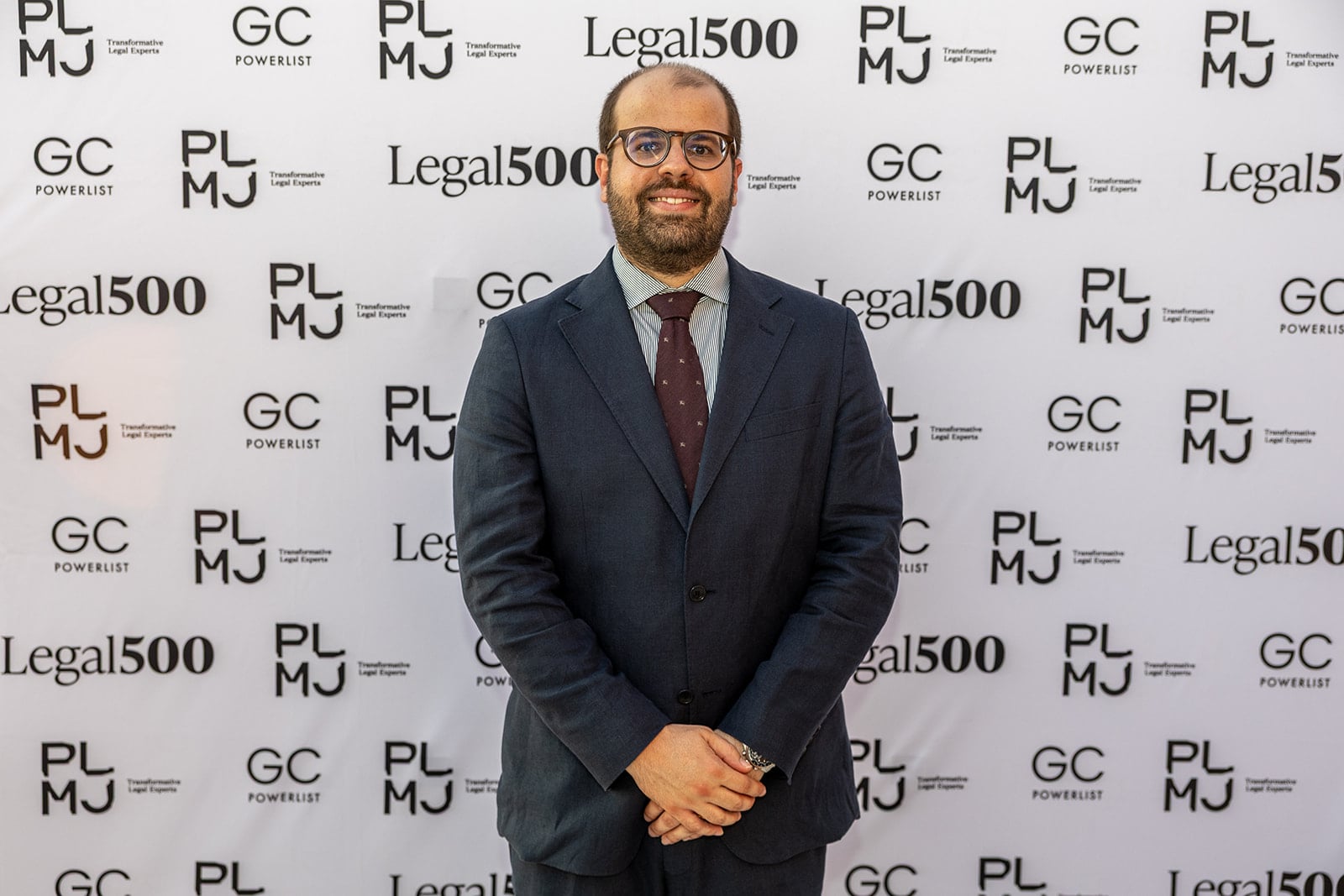
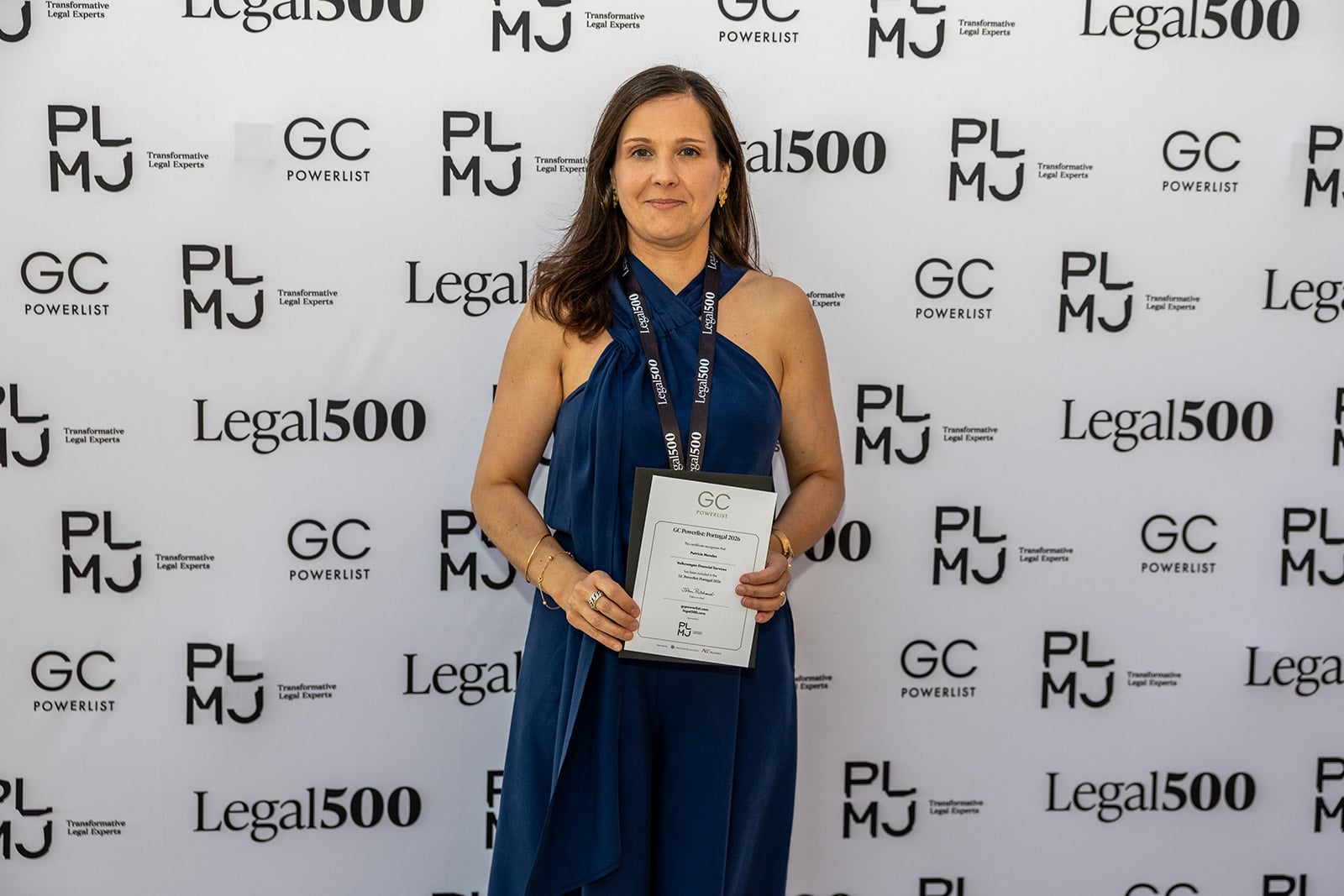
On July 1st, Legal 500 unveiled the fourth edition of the GC Powerlist: Portugal 2026, in partnership with PLMJ. Hosted once again on the rooftop terrace of the firm’s Lisbon office under a blazing summer sun, the event brought together many of Portugal’s most accomplished in-house lawyers to celebrate this distinguished community of legal leaders.
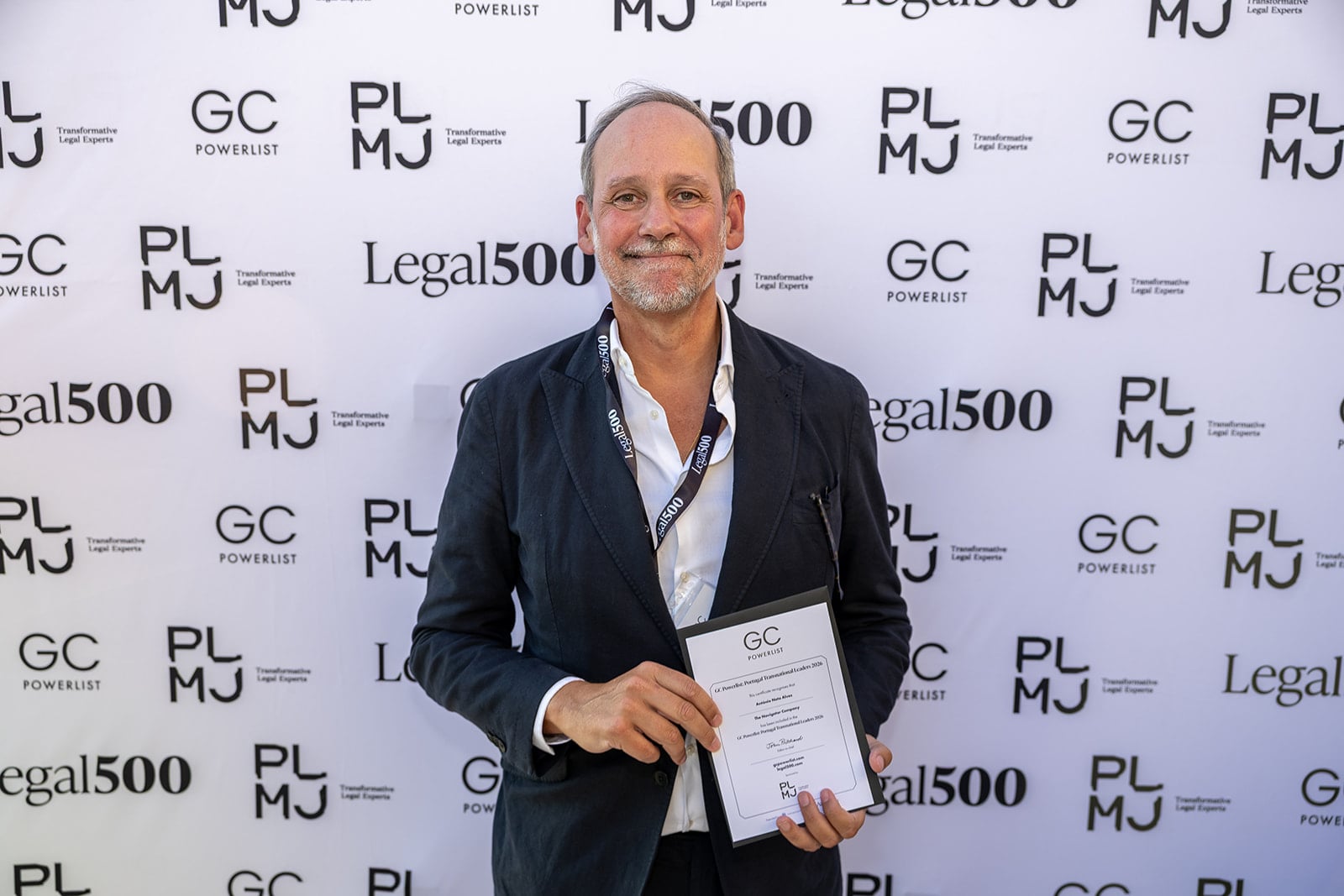
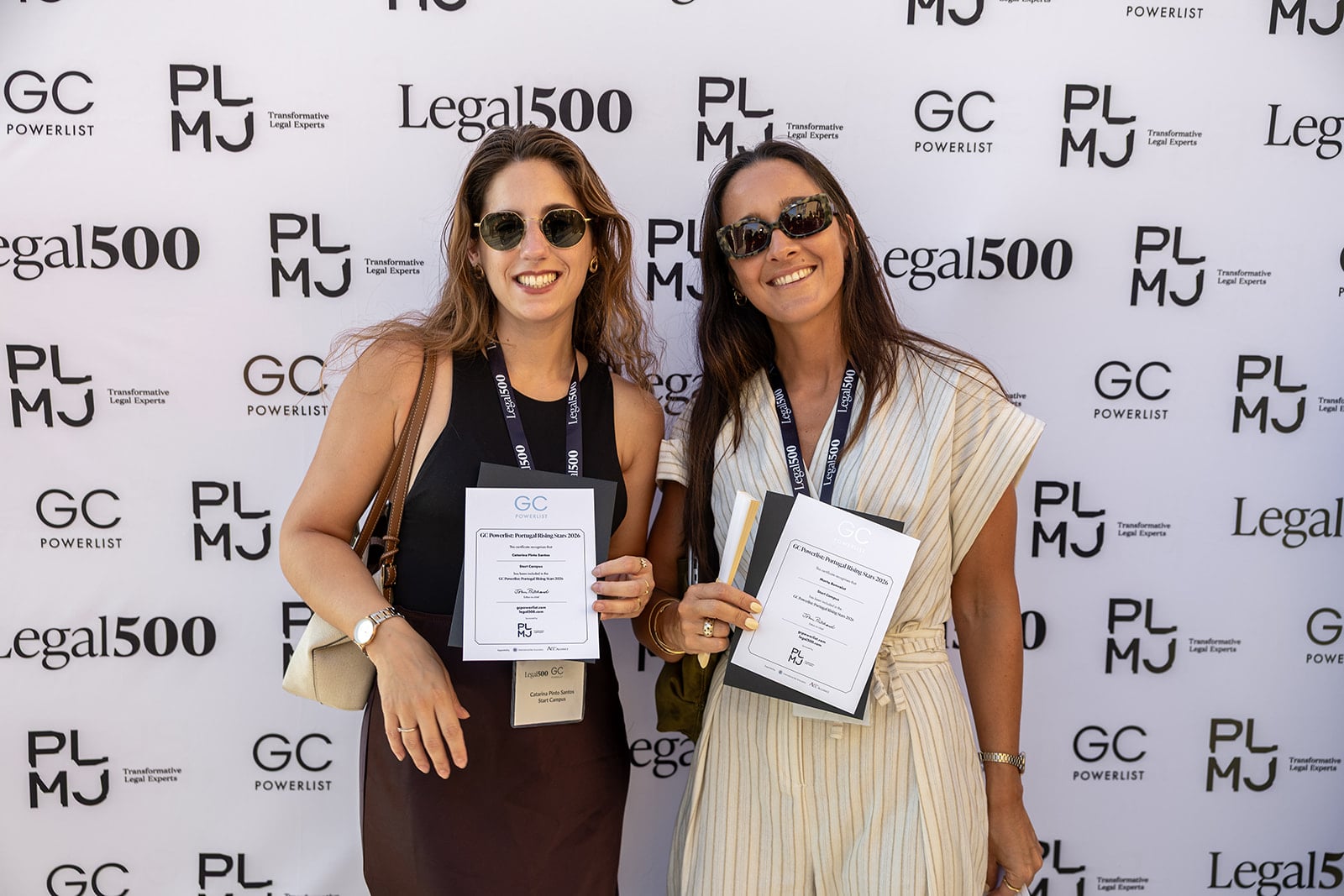
Returning to its individual-focused format, this year’s edition marked the reintroduction of the Rising Stars category, recognising some of the country’s most promising emerging in-house counsel. It also saw the world debut of the Transnational Leaders category, highlighting general counsel whose leadership and influence extend beyond national borders and whose responsibilities span multiple jurisdictions.
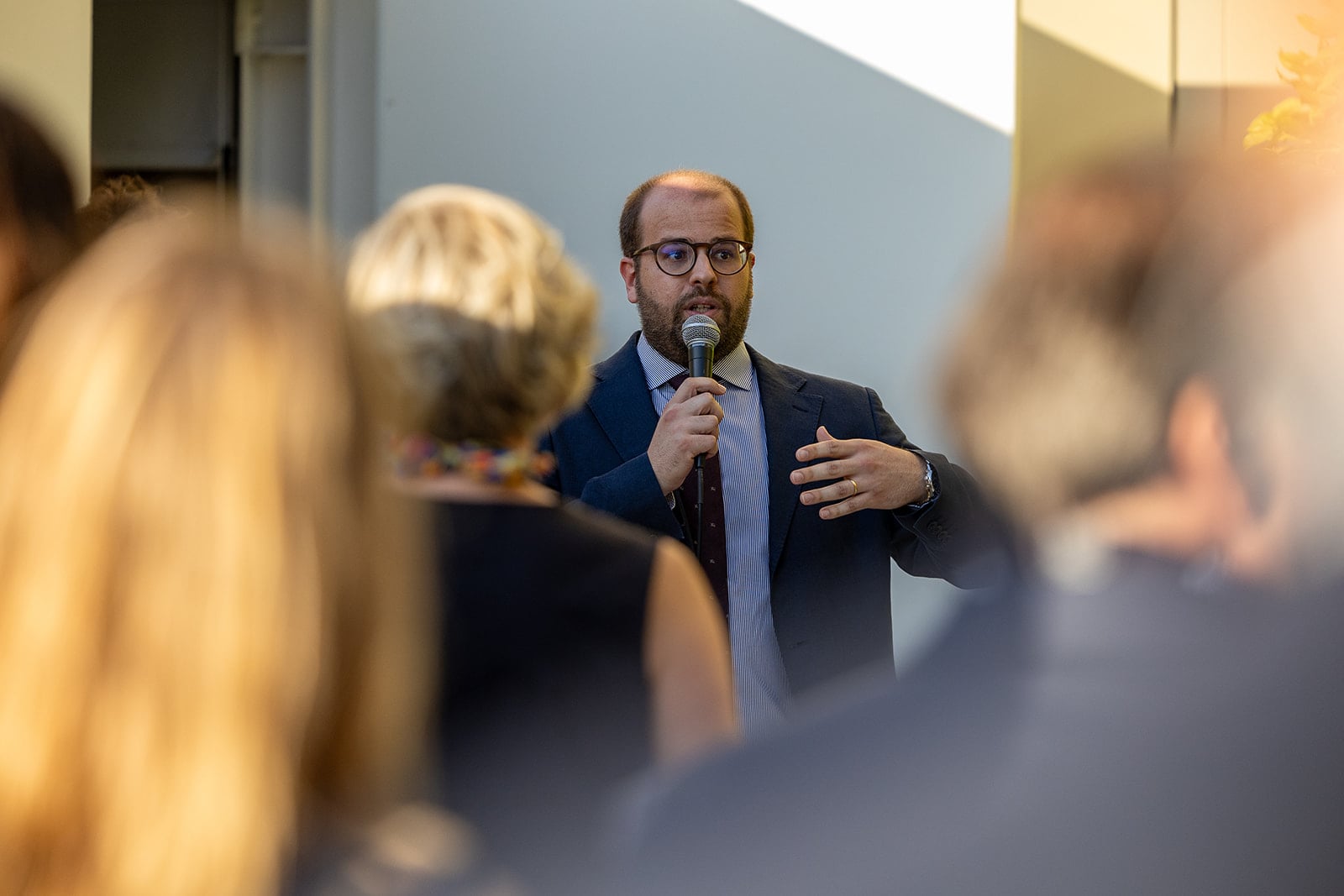
The evening commenced with a welcome address from Legal 500’s editorial lead Francisco Castro, who emphasised the importance of continuously evolving the publication to reflect the realities of Portugal’s in-house legal market. He highlighted the rigorous research and selection process behind the GC Powerlist series and congratulated the honourees for their outstanding contributions to the profession and the organisations they serve.
Following this introduction, Bruno Ferreira, Managing Partner of PLMJ, took to the stage to congratulate those recognised in this year’s edition. In his remarks, he underscored the increasingly strategic role of in-house counsel in supporting business growth, navigating complexity, and driving legal excellence. He also reflected on the transformative impact that AI is having on the legal function and the opportunities it presents for corporate legal teams.
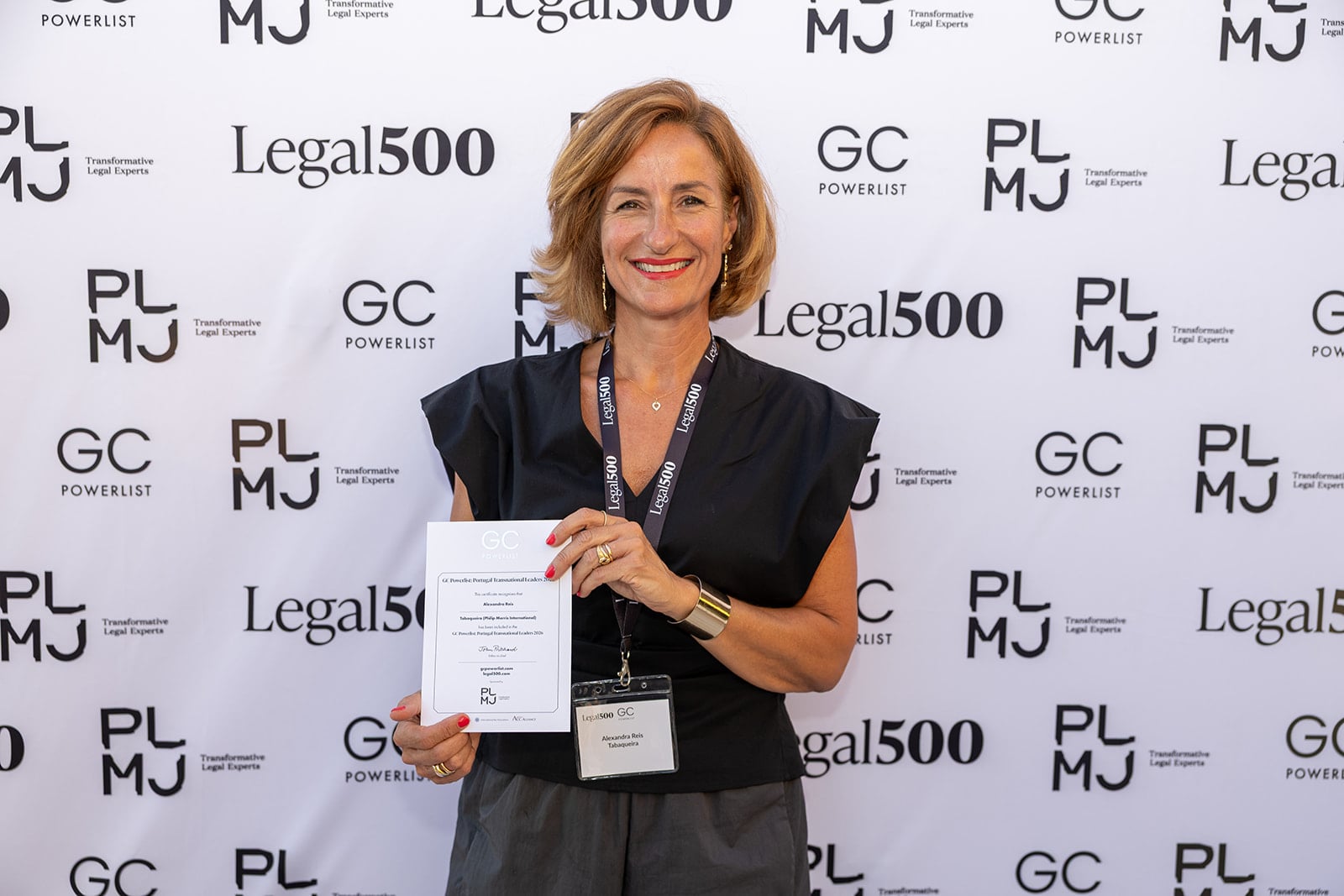
Concluding the formal proceedings, Alexandra Reis, Senior Counsel at Tabaqueira and a recipient in the inaugural Transnational Leaders category, shared a few reflections on the significance of recognising in-house lawyers and the value of fostering a strong, connected legal community. Drawing on her own experiences, she spoke about the importance of networking, knowledge-sharing and celebrating a profession whose contributions often take place behind the scenes.
The launch of the GC Powerlist: Portugal 2026 proved to be a fitting celebration of the country’s leading in-house legal talent. The evening showcased the depth, expertise, and influence of Portugal’s corporate counsel community while reaffirming Legal 500’s commitment to recognising and championing its achievements. We extend our sincere thanks to all those who participated in this year’s research process, and to PLMJ for once again partnering with Legal 500 to provide a platform that honours these exceptional legal professionals.